
Featured Quizzes
User Quizzes
Create Quiz
Data and Charts
Word Search
Flash Cards
Badges and Games
About JetPunk
Message Board
Random Quiz
Dark Mode
Armor & Weaponry
Rate:
Last updated: March 29, 2026
You have not attempted this quiz yet.
More quiz info >>
| First submitted | March 29, 2026 |
| Times taken | 3 |
| Average score | 21.9% | Report this quiz | Report |
4:00
Enter answer here
0
/ 73 guessed
Time Used
00:00
Best Time
00:00
The quiz is paused. You have remaining.
Copied!
Scoring
You scored / = %
This beats or equals
% of test takers
also scored 100%
The average score is
Your high score is
Your fastest time is
Keep scrolling down for answers and more stats ...
Save Your Stats
Email Address
Screen Name
Password
Confirm Password
Language
Weekly e-mails about new quizzes?
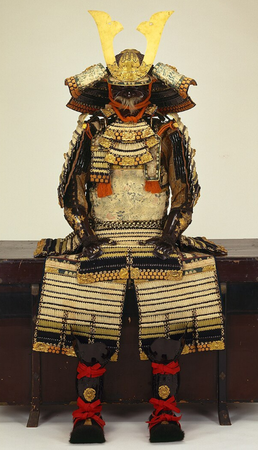
Japanese samurai armor
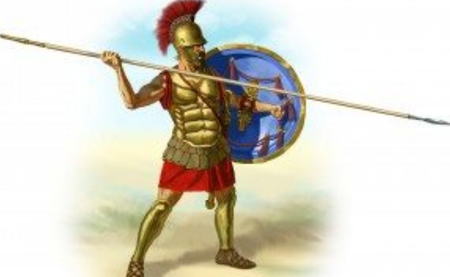
Greek spear of the hoplite phalanx
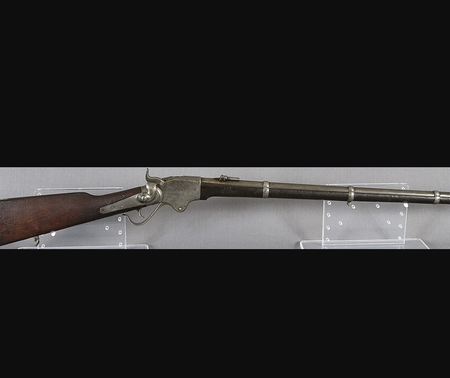
American lever-action rifle – 1860s (one of the first successful repeating rifles; gave Union troops a major firepower advantage in the Civil War)
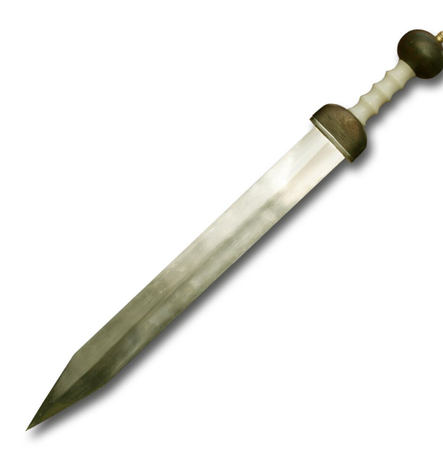
Roman short thrusting sword
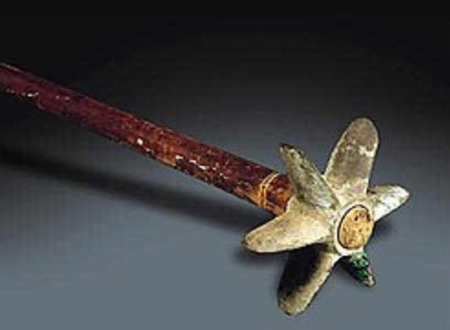
Central American wooden war club
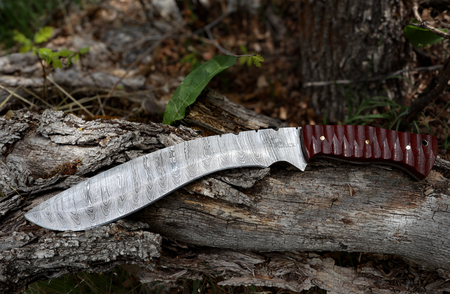
Nepalese curved Gurkha knife
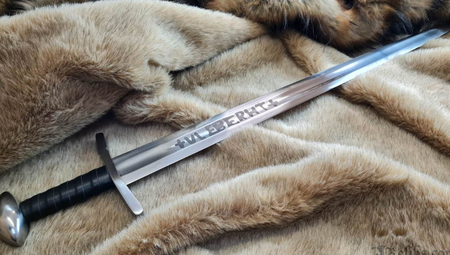
Viking high-carbon steel sword
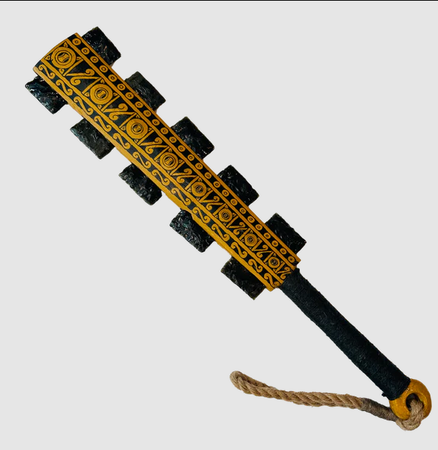
Aztec obsidian-edged weapon
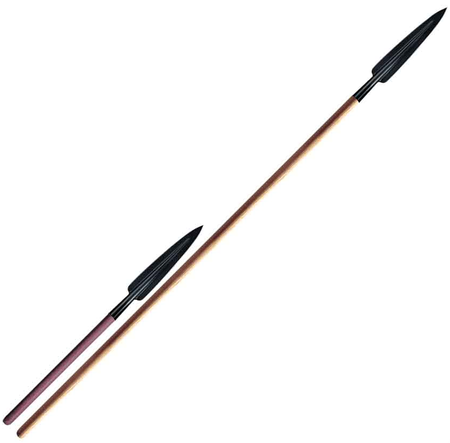
Zulu short stabbing spear (19th c.)
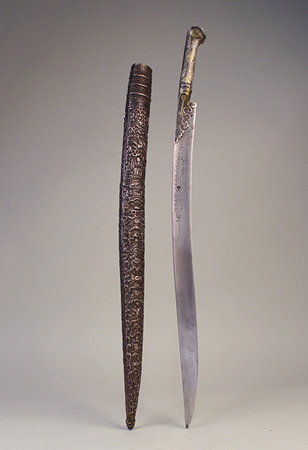
Ottoman forward-curved infantry blade (16th–19th c.)
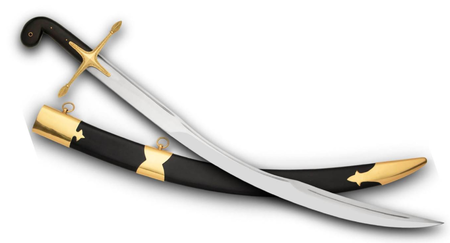
Saber with flared “yelman” tip (15th–19th c. Turkey)
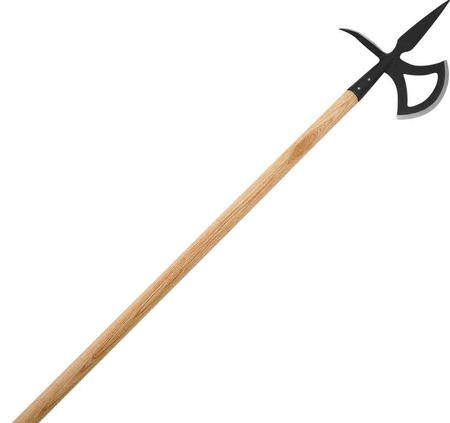
European polearm with axe and spike
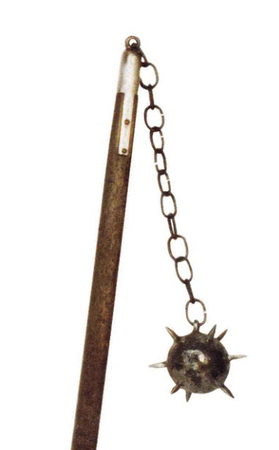
European chain-and-spike bludgeon (13th–16th c.)
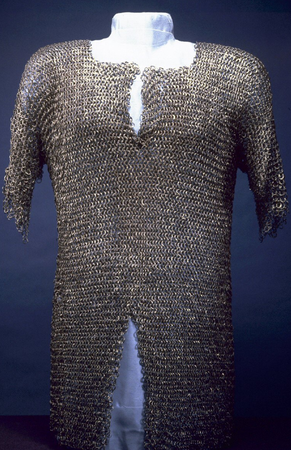
European chainmail shirt of knights (11th–14th c.)
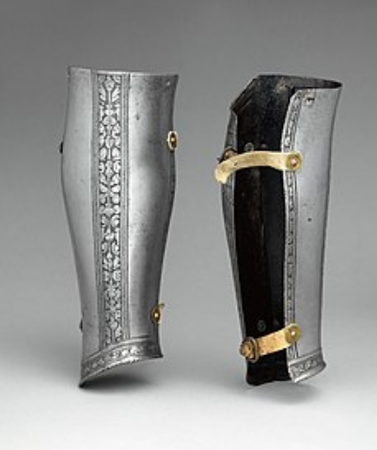
European shin-guarding leg armor (Ancient–Medieval)
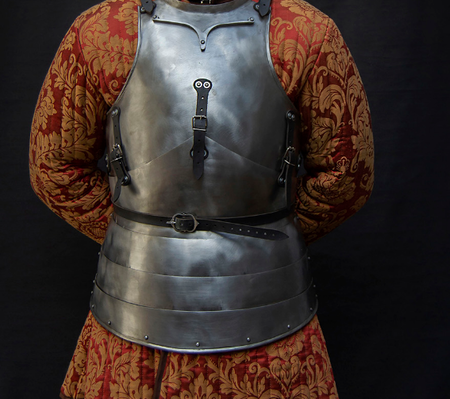
European steel breastplate and backplate (15th–18th c.)
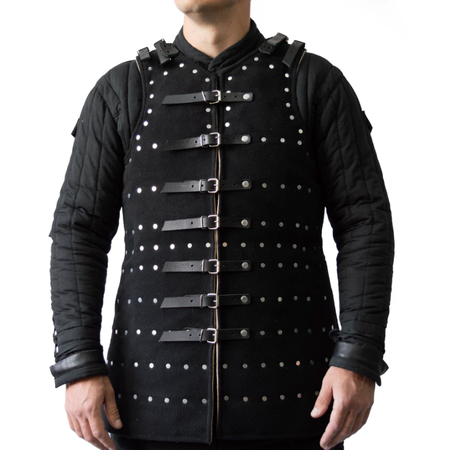
European cloth coat with metal plates (14th–16th c.)
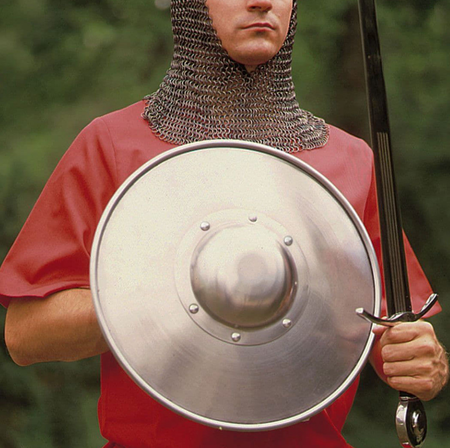
European small round dueling shield (12th–17th c.)
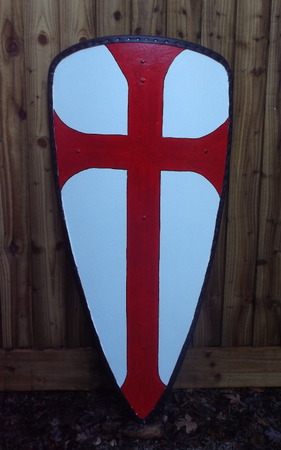
Norman elongated cavalry shield (10th–13th c.)
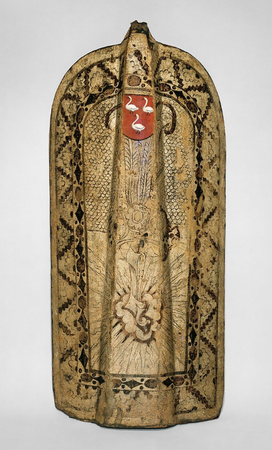
Central European tall crossbowmen’s shield (14th–15th c.)
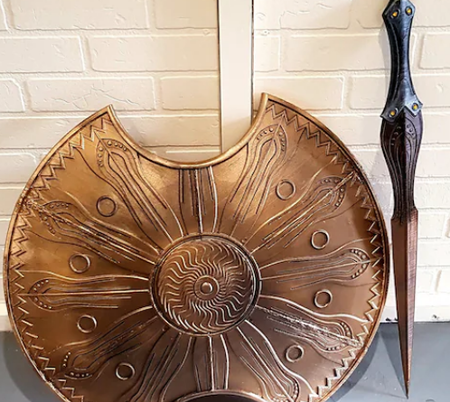
Ancient Greek shield – c. 700–300 BCE (large round shield used by hoplites; key to the phalanx formation)
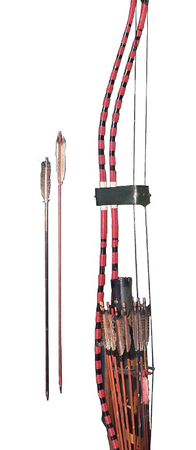
Ancient Greek shield – c. 700–300 BCE (large round shield used by hoplites; key to the phalanx formation)
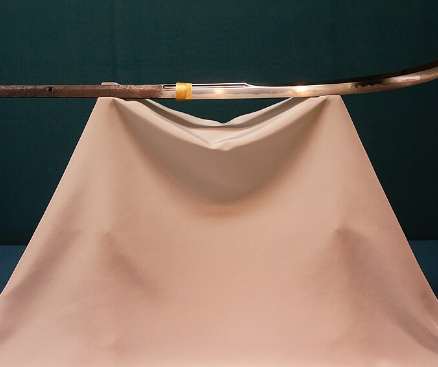
Japanese pole weapon – c. 1100s–1600s (curved blade on a long shaft; often associated with samurai and warrior monks)
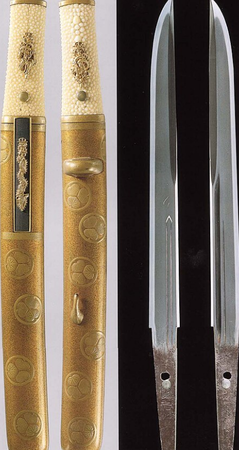
Japanese dagger – c. 1100s–1500s (short blade used for close combat and sometimes ritual purposes)
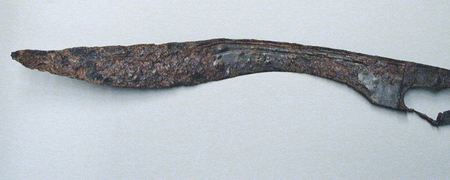
Ancient Greek sword – c. 500–300 BCE (forward-curving blade designed for powerful slashing)
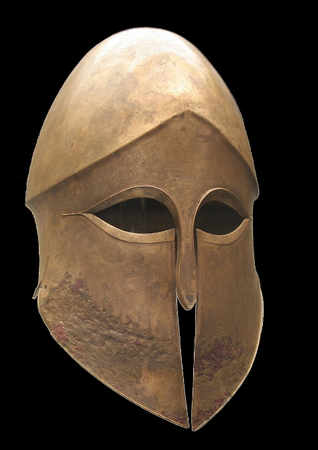
Ancient Greek helmet – c. 700–400 BCE (full-face bronze helmet iconic of Greek hoplite warriors)
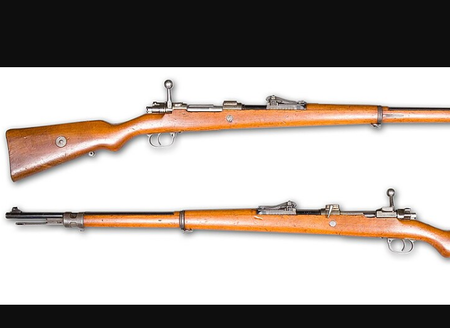
German bolt-action rifle – 1898 (standard German infantry rifle in World War I; highly influential design)
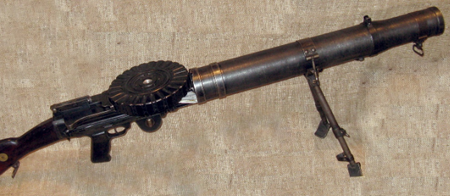
American/British light machine gun – 1910s (widely used in World War I, recognizable by its top-mounted drum magazine)
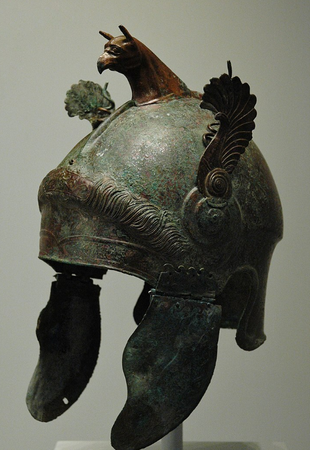
Greek bronze open-faced helmet
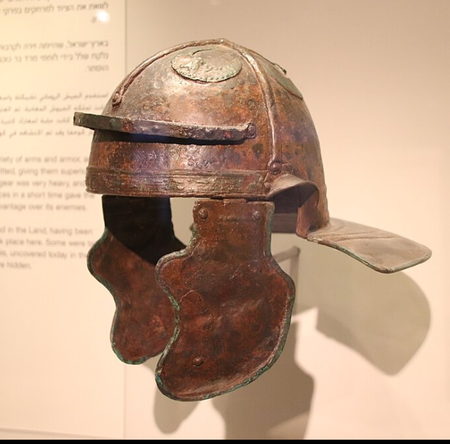
Roman crested soldier’s helmet
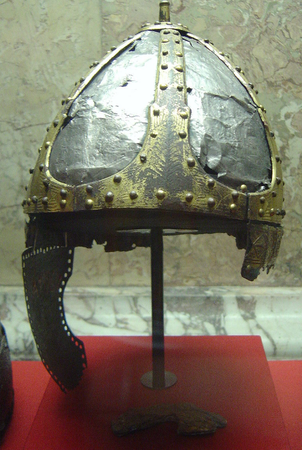
Germanic segmented iron helmet for warriors (6th–8th c.)
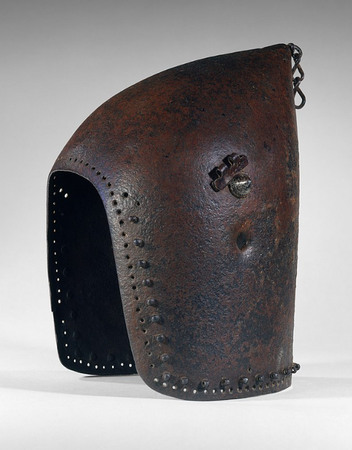
European pointed visor helmet for knights (14th c.)
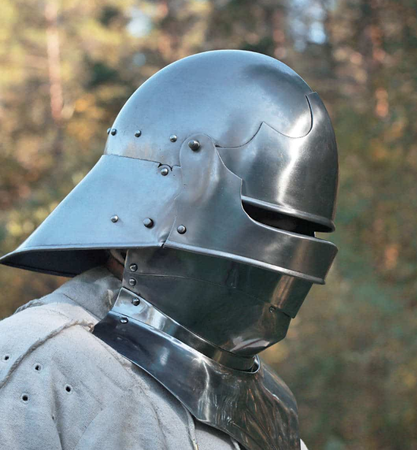
English rounded infantry helmet with visor (15th c.)
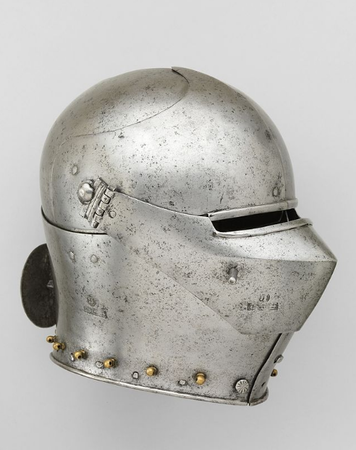
Italian close-fitting jousting helmet (15th–16th c.)
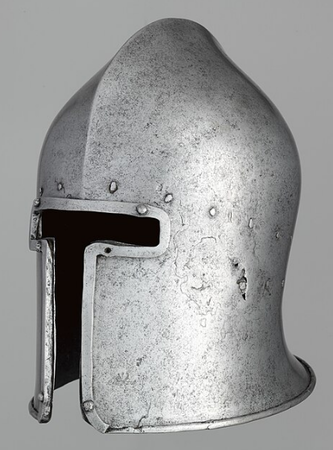
Italian T-faced open helmet used by Renaissance soldiers
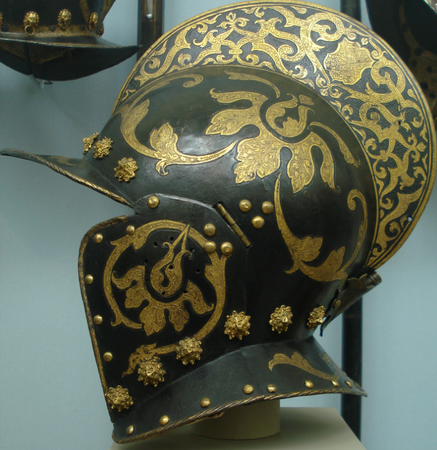
French light cavalry helmet with flared neck guard (16th c.)
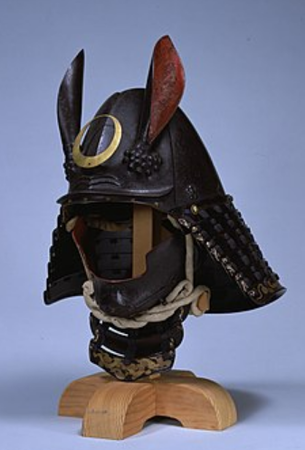
Japanese ornate samurai war helmet with crest (15th–17th c.)
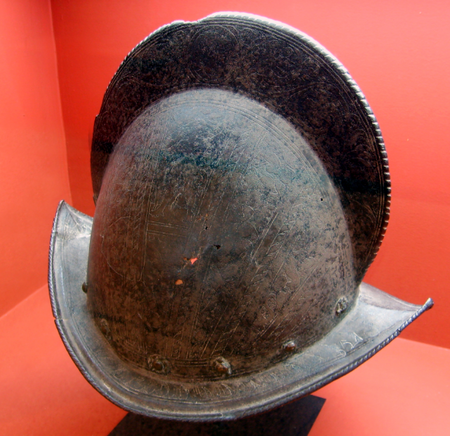
Spanish steel helmet worn by conquistadors (16th c.)
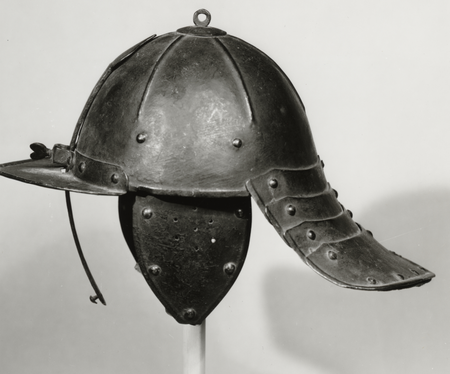
German lobster-tailed helmet with sliding nasal bar (17th c.)
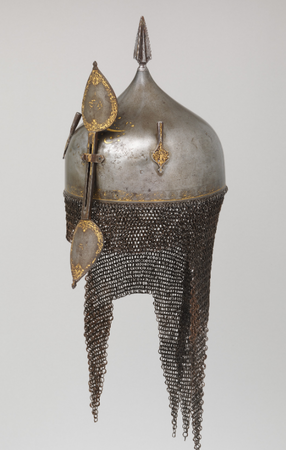
Persian conical steel helmet with mail guard (17th–19th c.)
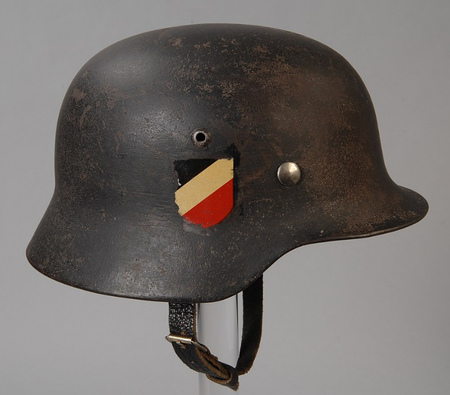
German combat helmet (WWI–WWII)
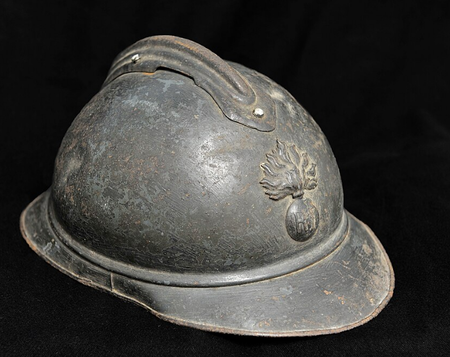
French steel infantry helmet (WWI)
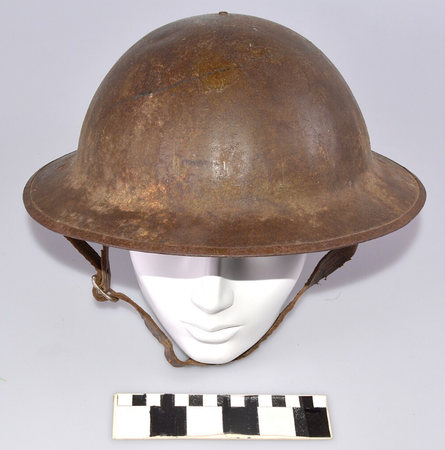
British trench helmet (WWI–WWII)
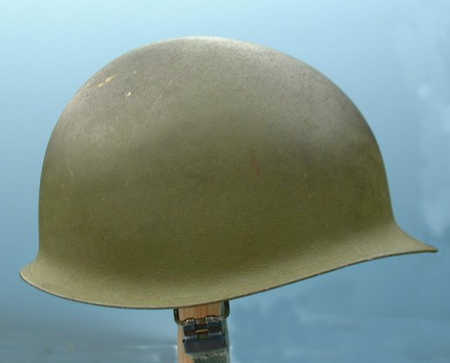
American standard battle helmet (WWII–Vietnam)
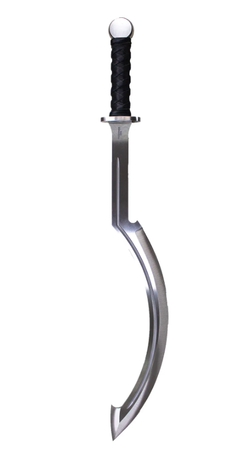
Egyptian sickle-shaped bronze sword
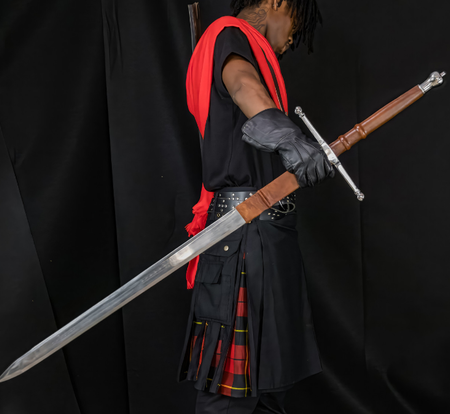
Scottish greatsword of the Highlands
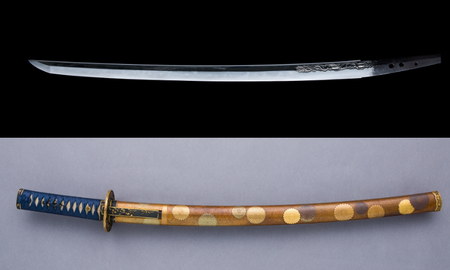
Japanese short samurai blade
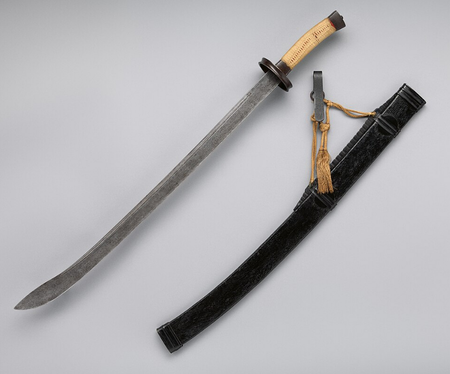
Chinese curved single-edged saber
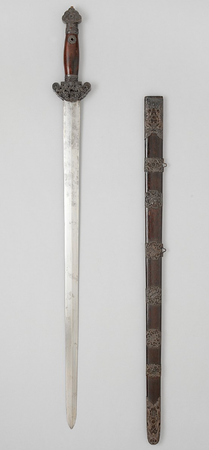
Chinese straight double-edged sword
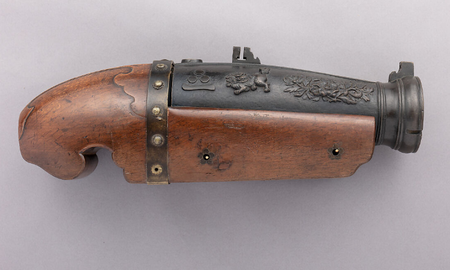
Chinese early gunpowder firearm
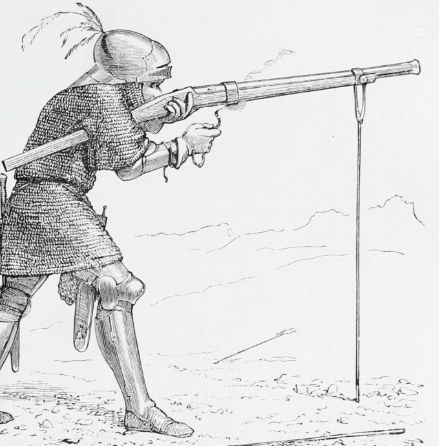
European matchlock musket (1500s)
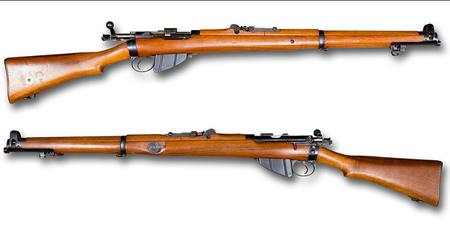
British bolt-action rifle (WWI–WWII)
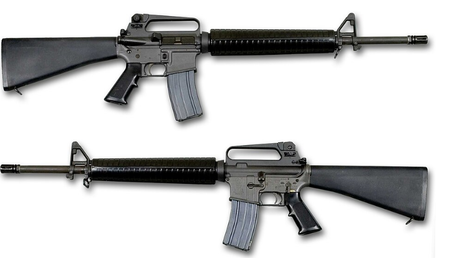
American assault rifle (Vietnam–present)
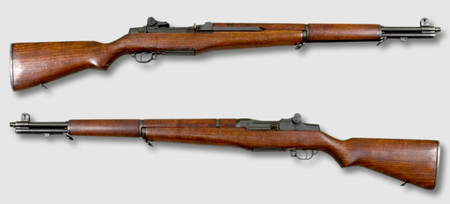
American semi-auto WWII rifle
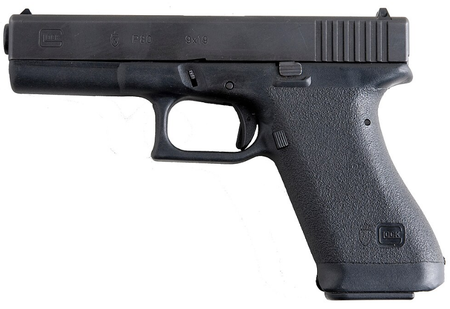
Austrian semi-automatic pistol
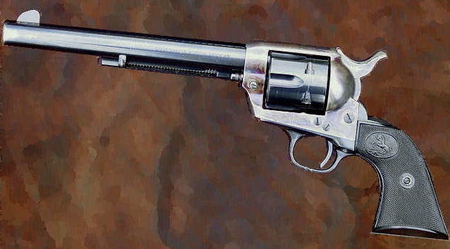
American frontier handgun
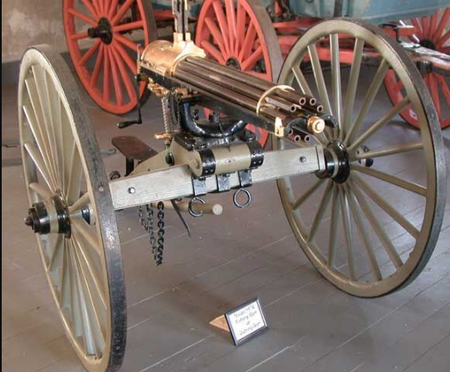
American hand-cranked machine gun (Civil War era)
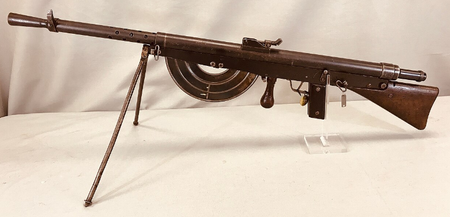
French light machine gun – 1910s (used in World War I; known for reliability issues)
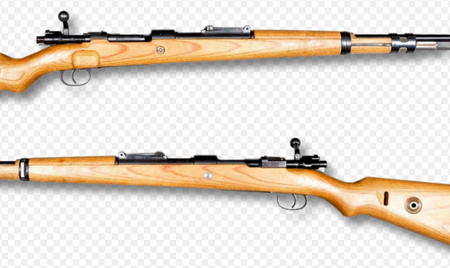
German bolt-action rifle – 1935 (standard German infantry rifle in World War II)
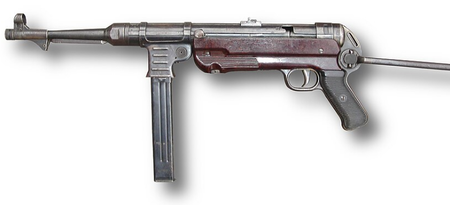
German submachine gun – 1940s (used by German forces in WWII; known for its folding stock)
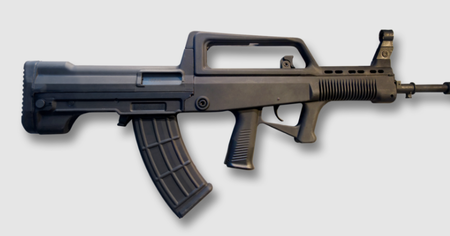
Chinese bullpup assault rifle – 1990s (standard issue rifle of the Chinese military)
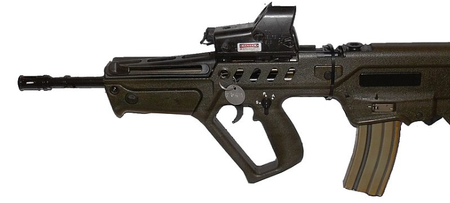
Israeli bullpup assault rifle – 2000s (compact rifle designed for modern urban combat)
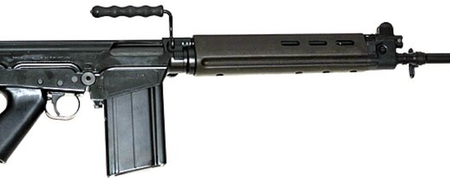
Belgian battle rifle – 1950s (widely used during the Cold War; nicknamed “the right arm of the Free World”)
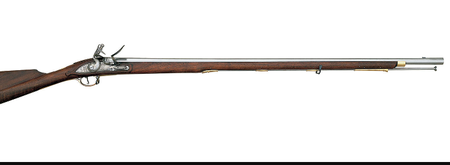
British musket – 1700s–1800s (standard infantry weapon of the British Army for over a century)
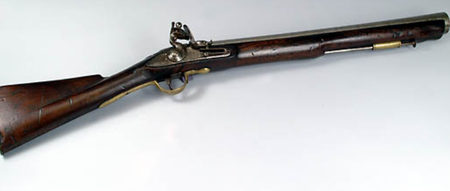
European firearm – 1600s–1700s (short gun with flared muzzle, often used for close-range defense)
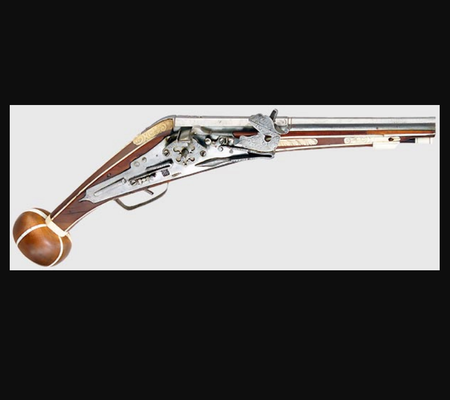
European firearm mechanism – 1500s–1600s (early ignition system using a spinning wheel to create sparks)
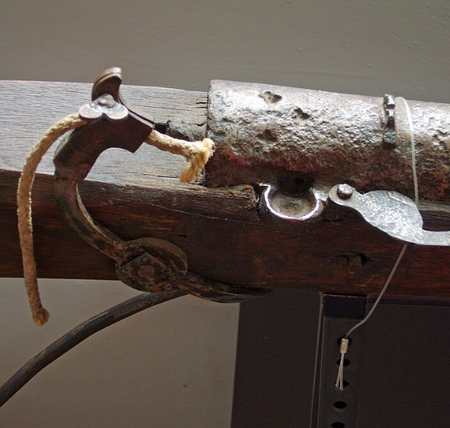
Early firearm mechanism – 1400s–1600s (used a slow-burning match cord to ignite gunpowder)
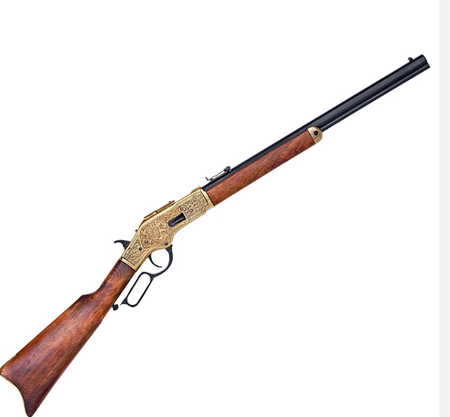
American lever-action rifle – 1873 (known as “the gun that won the West”)
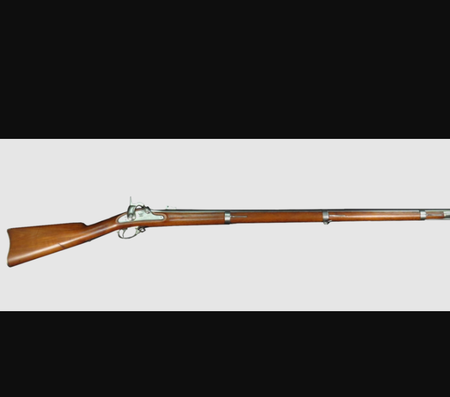
American rifle-musket – 1861 (standard infantry weapon of the Union Army during the Civil War; widely produced and highly reliable)
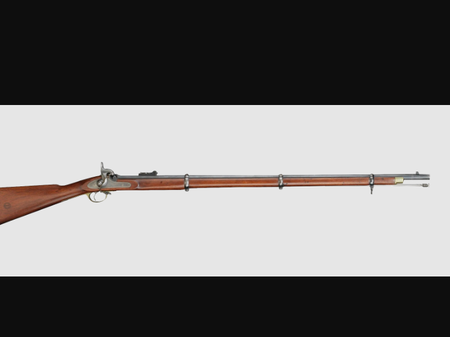
British rifle-musket – 1853 (widely used in the American Civil War)
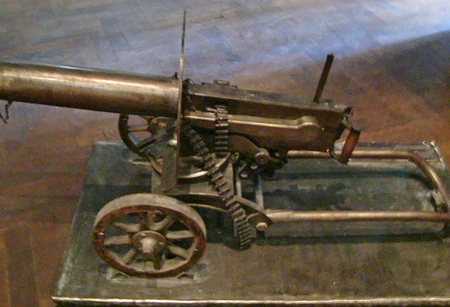
British machine gun – 1880s (first fully automatic machine gun; changed warfare dramatically)
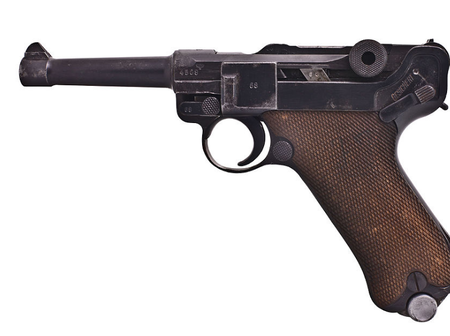
German semi-automatic pistol – 1900s–1940s (iconic sidearm of German forces in both World Wars)
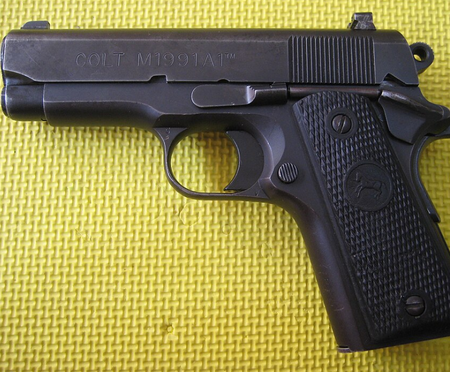
American semi-automatic pistol – 1911 (long-serving U.S. military sidearm still in use today)
Save Your Stats
Your Next Quiz

How many countries do you know? In this quiz, you've got 15:00 to name as many as you can. Go!

Can you name the capitals cities of all 196 countries in the world?

20 random countries have been removed from the map of the world! Can you identify them in 3 minutes?

Drag the flag onto the correct state. Careful, though! One wrong move and the game ends.
Comments
No comments yet
New and Popular