
Featured Quizzes
User Quizzes
Create Quiz
Data and Charts
Word Search
Badges and Games
About JetPunk
Message Board
Dark Mode
Lord of the Rings Quiz (Hard) - Statistics
General Stats
-
This quiz has been taken 43 times
10 since last reset
- The average score is 58 of 180
Answer Stats
| Picture | Answer | % Correct |
|---|---|---|
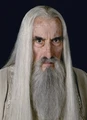 | Saruman (Istari name), Curumo (Maia name) (Initially the chief of the Istari and leader of the White Council, betrayed his allies and joined Sauron and became Saruman of many colors. Seeking power and the One Ring, but after failing to conquer Rohan and losing his influence, he was exiled from the Shire and killed by his servant Gríma Wormtongue after the Scouring of the Shire) | 100%
|
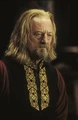 | Théoden (King of Rohan, father in law of Éomer and Éowyn) | 90%
|
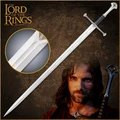 | Andúril (The sword which was reforged from the shards of Narsil in Rivendell) | 80%
|
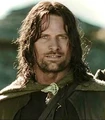 | Aragorn II, son of Arathorn II / Strider / King Elessar (Aragorn is related to Elrond. Aragorn is a descendant of Elros, the first king of numenor, the brother of Elrond) | 80%
|
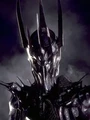 | Sauron / Mairon (Maia name) (Disguised himself as Annatar "Lord of Gifts". He served as Morgoth's chief lieutenant throughout the First Age. However, after Morgoth's ousting by the Valar at the end of the First Age, Sauron went into hiding. Sauron made his return to Middle-earth about 500 years into the Second Age where he became the second Dark Lord and plotted to conquer Middle-earth as his former master had. After deceiving the Elves into making the Rings of Power, Sauron deceitfully forged the One Ring, which he intended to use to control all the other Rings. Sauron grew in power significantly, especially after forging the One Ring, allowing him to rule Middle-earth and become a menace like his former master did. At the end of the Second Age, Sauron caused the Downfall of Númenor, but was eventually defeated during the War of the Last Alliance of Elves and Men united under Gil-galad and Elendil. In the final battle, Isildur managed to cut the One Ring from his hand, destroying his corporeal form and robbing him of much of his power. After centuries of lying dormant and rebuilding his strength, Sauron returned to power late in the Third Age and again strove to dominate Middle-earth. Ultimately, he was vanquished when the One Ring was cast into Mount Doom, unmaking it and breaking his power forever, and also reducing him to a permanent shadow forever) | 80%
|
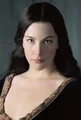 | Arwen (Arwen was the Half-elven daughter of Elrond and Celebrían. In marrying Aragorn II Elessar after the War of the Ring, she became Queen of the Reunited Kingdom of Arnor and Gondor, and like Beren and Lúthien before her, she united Elf and Man in peace, while becoming mortal) | 70%
|
 | Eä (The universe. Eä was conceived in the Music of the Ainur and then visualized in the beautiful Vision that Ilúvatar showed to the Ainur to see for themselves what they sang) | 70%
|
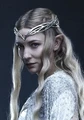 | Galadriel (Galadriel was the Ñoldorin Lady of the woods of Lothlórien who witnessed Middle-earth during the three Ages of Awakening. Galadriel was born in Aman as one of the Ñoldor. She was the daughter of Finarfin and Eärwen as well as the younger sister of Finrod, Angrod, and Aegnor. She took part in the Exile of the Ñoldor, following Fëanor in his rebellion. However, she opposed the Kinslaying at Alqualondë and crossed the Helcaraxë with the rest of Fingolfin's followers. After arriving in Beleriand, she lived mainly in Doriath, where she befriended Melian. Later, with her husband Celeborn, she ruled over the woodland Elves of Lothlórien, and together they had a daughter, Celebrían, who married Elrond. She is described as "the mightiest and fairest of all the Elves that remained in Middle-earth", and the "greatest of Elven women". Throughout the Third Age it was unknown who wielded the Three Rings, but during the War of the Ring, Galadriel revealed to Frodo Baggins that she was the bearer of Nenya. After the War, she returned to the Uttermost West) | 70%
|
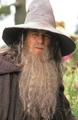 | Gandalf (Istari name), Olórin (Maia name) (was an Istar, dispatched to Middle-earth in the Third Age to combat the threat of Sauron. He joined Thorin II and his company to reclaim the Lonely Mountain from Smaug, helped form the Fellowship of the Ring to destroy the One Ring, and led the Free Peoples of the World in the final campaign of the War of the Ring) | 70%
|
 | Helm's Deep (Named after Helm, the ninth King of Rohan. Made famous by the Battle of the Hornburg, a major battle of the War of the Ring) | 70%
|
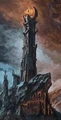 | Barad-dûr (The Dark Tower, was Sauron's central stronghold in Mordor, serving as his seat of power in Middle-earth in the Second Age and late Third Age) | 60%
|
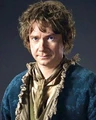 | Bilbo Baggins | 60%
|
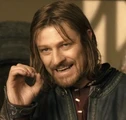 | Boromir (Boromir was a valiant warrior of Gondor, renowned for his prowess in combat and skill on the battlefield. He was the eldest son of Denethor II, who was Steward of Gondor during the War of the Ring, and his wife Finduilas. Even the people of Rohan admired him, particularly Éomer. He was the older brother of Faramir. He was one of the nine members of the Fellowship of the Ring, until his death at the hands of the Uruk-hai which led to the Breaking of the Fellowship) | 60%
|
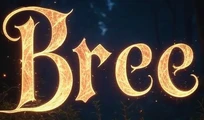 | Bree (Bree was a village in Bree-land just to the east of the crossing of the East Road and the Greenway. Village where Frodo, Sam, Merry and pippin first met Strider in The Prancing Pony) | 60%
|
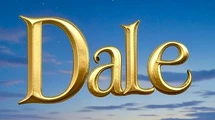 | Dale (Dale was a valley between two arms of the Lonely Mountain. After the death of Smaug, Bard who had killed Smaug returned to Dale with his part of the treasure of Erebor and later became king) | 60%
|
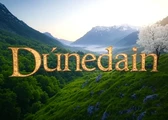 | Dúnedain (The descendants of the Faithful Edain who escaped the downfall of Númenor) | 60%
|
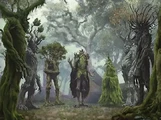 | Ents (They were apparently created at the behest of Yavanna after she learned of Aulë's children, the Dwarves, knowing that they would want to fell trees. Becoming "shepherds" of the trees, they protected certain forests from Orcs and other perils) | 60%
|
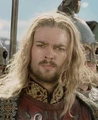 | Éomer (Éomer Éadig was a Man of Rohan and the eventual eighteenth King of Rohan, and first of the Third Line of their Kings. In the last decade of the Third Age, Éomer was the Third Marshal of the Mark) | 60%
|
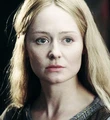 | Éowyn (Éowyn was a shieldmaiden of Rohan, daughter of Éomund and Théodwyn, younger sister of Éomer and niece of King Théoden. After the War of the Ring, she married Faramir and had one son with him, Elboron) | 60%
|
 | Fangorn Forest (was a deep, dark woodland that grew beneath the southern Misty Mountains, under the eastern flanks of that range. According to a legend the King of the Galadhrim had met the oldest Ent Fangorn in ancient days. As a consequence, it is possible that Fangorn Forest was named after the the Ent Fangorn. The forest was known as the Entwood in Rohan) | 60%
|
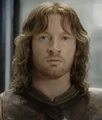 | Faramir (Faramir was the last Ruling Steward of Gondor and the first Prince of Ithilien. The second of Denethor's two sons, Faramir was briefly the Ruling Steward after his father's death. Upon the arrival of the true king, King Aragorn Elessar, he laid down his office, but Elessar renewed the hereditary appointment of Steward as the advisor to the King. Faramir was also appointed Prince of Ithilien. Faramir married Éowyn of Rohan) | 60%
|
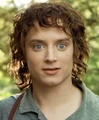 | Frodo Baggins (Frodo Baggins was a hobbit of the Shire in the late Third Age. He was a key figure in the Quest of the Ring, in which he bore the One Ring to Mount Doom, where it was destroyed. He was a Ring-bearer, best friend to his gardener, Samwise Gamgee, and was one of three hobbits who sailed from Middle-earth to the Uttermost West at the end of the Third Age) | 60%
|
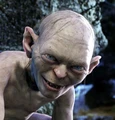 | Gollum/Smeagol (Gollum lived in the Misty Mountains for over four hundred years. During the Quest of Erebor, the Hobbit Bilbo Baggins stumbled upon the dark lake on which he lived and found Gollum's Ring. Gollum eventually left the Mountains and pursued Bilbo a few years later, but the trail was cold. He made his way south to Mordor where all evil was being drawn at the time, discovering the secret Stairs of Cirith Ungol located near Minas Morgul and surviving an encounter with Shelob. He was captured on his return, taken to the dungeons of Barad-dûr and forced to reveal to Sauron under intense torture what he knew about the Ring. Gollum was then freed, as Sauron had learned all he needed from him and sensed he might draw out the Ring. He was then subsequently caught by Aragorn, then interrogated by Gandalf, who placed him in the care of the Silvan Elves living in Thranduil's kingdom in Mirkwood. Assisted by Orcs, he escaped them, and set off looking for the Shire. He passed through Moria, but could not make it out of the Doors of Durin. Seemingly, he then just waited there until he got lucky when the Fellowship of the Ring passed through) | 60%
|
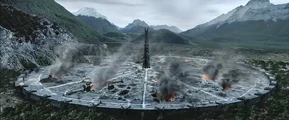 | Isengard (Isengard, also known as Angrenost, was a great fortress and the domain of Saruman, located within a valley at the southern end of the Misty Mountains near the Gap of Rohan. In the centre of the Ring of Isengard stood the stone tower of Orthanc) | 60%
|
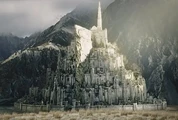 | Minas Tirith (Minas Tirith, the Tower of Guard, formerly known as Minas Anor, the Tower of the Sun, was the capital city of Gondor from TA 1640 onward. Many important events took place in and in front of the city, such as the Battle of the Pelennor Fields and then coronation of Aragorn II) | 60%
|
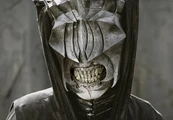 | Mouth of Sauron (The Mouth of Sauron was one of Sauron's most devoted servants, serving as his emissary and possibly as Questioner. He was Lieutenant of the Tower of Barad-dûr during the War of the Ring) | 60%
|
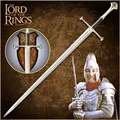 | Narsil (Narsil was the sword of King Elendil of the Dúnedain. It was later known as Andúril) | 60%
|
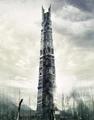 | Orthanc (Orthanc was the black, impenetrable tower of Isengard built by the Dúnedain. By the Great Years and the War of the Ring, it was the seat of power of the Wizard Saruman. It stood in the center of the Ring of Isengard, a daunting defensive wall built by the early Men of Gondor) | 60%
|
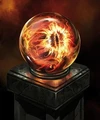 | Palantír / Palantirí (Plural) / Seven Seeing-stones (Used for communication) | 60%
|
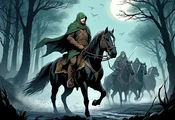 | Rangers of the North / Dúnedain Rangers (Descendants of Númenor) (Rangers of the North, or simply the Rangers, were the last remnant of the Dúnedain of Arnor who had once peopled the North Kingdom of Arnor. They protected the lands around the village of Bree and the Shire. The Bree-folk did not know anything about their origin and simply called this mysterious wandering folk "Rangers". The Rangers travelled freely southwards and eastwards of the village of Bree as far as the Misty Mountains. In the days of the War of the Ring no other Men than the Bree-folk had settled dwellings so far west as Bree or within a hundred leagues of the Shire. When the Rangers appeared in Bree, the locals eagerly listened to the news that they brough from far away or to their strange forgotten tales, but they did not make friends with the Rangers. The Bree-folk belived that the Rangers had strange powers to hear and see things and to understand the languages of birds and beasts) | 60%
|
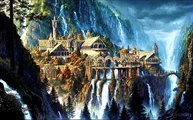 | Rivendell (Elven settlement in the Misty Mountains in Eastern Eriador and the valley containing it. Founded by Elrond Half-elven, it was first a stronghold and refuge in the Elves' first war with Sauron in the Second Age, but in the Third Age became a renowned, peaceful haven for wayward Elves, Rangers of the North, and other travelers) | 60%
|
 | Shadowfax (Shadowfax was a descendant of Felaróf, and a chieftain of the race of long-lived Mearas, the greatest horses of Middle-earth. Shadowfax was capable of comprehending human speech and was said to run faster than the wind. Originally belonging to Théoden, King of Rohan during the War of the Ring, Shadowfax was too wild to be tamed by the Rohirrim. Eventually, Théoden gave him to the wizard Gandalf the White) | 60%
|
 | Sting (Sting was an Elven short-sword made in Gondolin during the First Age, possibly first owned by Gondolindrim. Bilbo Baggins discovered Sting in the year TA 2941 in a Troll-hoard, and used it during the Quest of Erebor. He later passed it to his heir Frodo Baggins) | 60%
|
 | Treebeard (Treebeard, also known as Fangorn, was the oldest of the Ents left in Middle-earth, an ancient tree-like being who was a "shepherd of trees". He had a very tall and stiff-limbed appearance, with bark-like skin and leafy hair) | 60%
|
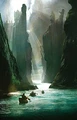 | Argonath (Gates of Argonath), Monument of Gondor standing upon either side of the River Anduin | 50%
|
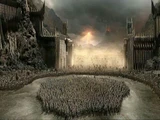 | Black Gate (Morannon) (The Black Gate or Morannon was a gate built across Cirith Gorgor, and the most fortified, direct entrance into Sauron's realm of Mordor) | 50%
|
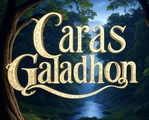 | Caras Galadhon (Caras Galadhon was the city and fortress of the Galadhrim of Lothlórien) | 50%
|
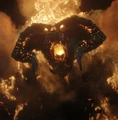 | Durin's Bane / Balrog (The Balrogs were three to seven Maiar seduced and corrupted by Morgoth into betraying the Valar and serving him) | 50%
|
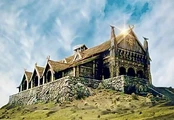 | Edoras (Edoras was the capital of Rohan. Built principally of wood, Edoras was also where Rohan's kings were buried, in two lines of Barrows just outside the main gate. Edoras was the capital of Rohan that held the Golden Hall of Meduseld) | 50%
|
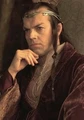 | Elrond Half-elven (Elrond was a mighty Half-elf ruler who dwelt in Middle-earth from the First Age to the beginning of the Fourth Age. He was the Lord of Rivendell and father of Elladan, Elrohir, and Arwen Undómiel, the eventual wife of Aragorn II. He was given the epithet of Peredhel, Sindarin for Half-elven) | 50%
|
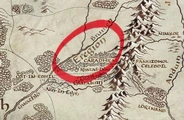 | Eregion (Eregion, later known as Hollin, was a realm of the Ñoldorin Elves in the Second Age, located near the West-gate of Khazad-dûm (later Moria). It was a rare Elven kingdom, as its relations with Dwarves were cordial, and both sides traded freely with each other) | 50%
|
 | Eregion / Hollin (Eregion or Hollin was a realm of the Noldor in Eriador during the Second Age, located near the Walls of Moria, under the shadow of the Misty Mountains. It was the only lasting Noldorin realm outside Lindon) | 50%
|
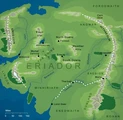 | Eriador (Important region of Arnor. Eriador was a large region situated in northern Middle-earth. It was located between the Blue Mountains (to the west) and the Misty Mountains (to the east) | 50%
|
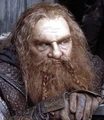 | Gimli son of Glóin (Gimli, son of Glóin, was a Dwarf of the House of Durin and a member of the Fellowship of the Ring. Unlike other Dwarves, he readily fought alongside Elves in the War of the Ring against Sauron at the end of the Third Age. After the defeat of Sauron, in the early Fourth Age, he was given the lordship over the Glittering Caves at Helm's Deep, which he presided over until he departed from Middle-earth) | 50%
|
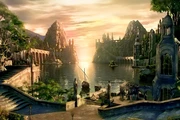 | Grey Havens / Mithlond (The Grey Havens, also known as Mithlond, were seaports on both sides of the end of the Gulf of Lune near the mouth of the River Lhûn in western Eriador) | 50%
|
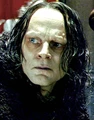 | Grima Wormtongue (Gríma, called Wormtongue, was the chief counsellor at the court of King Théoden of Rohan. Bought by the corrupted Wizard Saruman, Gríma became his mole in the Edoras court and worked to weaken the Rohirrim. When his treachery was exposed, Gríma fled to Isengard and ended up entrapped in Orthanc with Saruman. Enduring Saruman's scorn, Gríma would later follow him to the Shire which was under their allies' control. Ultimately, Wormtongue murdered Saruman after having enough of his master's abuse but was then himself slain by the liberated Shire-folk and Bucklanders) | 50%
|
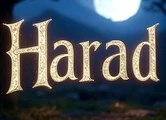 | Harad (Harad, also known as the South, refers to the little-known lands in southern Middle-earth. The great region is located south of Harondor and Mordor. Very little is known of the southern lands beyond the great Sea of Ringil) | 50%
|
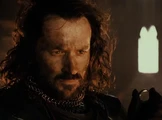 | Isildur (Isildur was the oldest son of Elendil and the brother of Anárion. He and Anárion founded and jointly ruled Gondor in the south, while their father dwelt in Arnor in the north. In the War of the Last Alliance at the end of the Second Age, Isildur cut the One Ring from Sauron's hand, but refused to destroy it. Early in the Third Age, Isildur was betrayed by the Ring which slipped off his finger during the Disaster of the Gladden Fields, leading to the Orcs killing him and Ring being lost for nearly 2,500 years. His refusal to destroy the Ring allowed Sauron to endure and remain a threat to Middle-earth. Isildur's bloodline survived in the Dúnedain of the North, and his heir would help end Sauron's power in the War of the Ring) | 50%
|
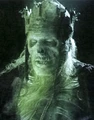 | King of the Dead (The King of the Dead, originally "King of the Mountains", was the king of the Dead Men of Dunharrow in Dwimorberg, and before that had been a living man. His spirit resided along with those of his kin in the Paths of the Dead) | 50%
|
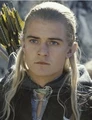 | Legolas (Greenleaf) (Legolas was a Sindar Elf who joined the Fellowship of the Ring in the Third Age. Son of the Elvenking Thranduil of Mirkwood, Legolas was Mirkwood's prince) | 50%
|
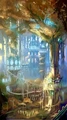 | Lothlórien (Lothlórien, also known as Lórien, was the vast woodland realm of the Galadhrim elves located near the lower Misty Mountains in northern Middle-earth. It was first settled by the Nandor, but they were later joined by a small number of oldor and Sindar under Celeborn of Doriath and Galadriel, daughter of Finarfin. It was located on the River Celebrant, southeast of Khazad-dûm, and was the only place in Middle-earth where the golden Mallorn trees grew) | 50%
|
 | Mannish (Languages of men) | 50%
|
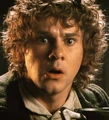 | Merry (Meriadoc Brandybuck) (Meriadoc "Merry" Brandybuck was a Hobbit of the Shire and one of Frodo Baggins cousins and closest friends. Titled knight of Rohan) | 50%
|
 | Mirkwood (Was a great forest east of the river Anduin in Rhovanion. Question of Erebor: Bilbo Baggins, along with Thorin Oakenshield and his band of Dwarves, ventured into Mirkwood during their quest to regain the Lonely Mountain from the dragon Smaug, taking the Elf-path. There, the Dwarf Bombur fell into the Enchanted River (causing him to fall asleep). Later, they came across many Spiders also known as the Spawn of Ungoliant. Shortly after the Dwarves' escape, they were captured by the Elves. After or during these events the White Council attacked Dol Guldur, and Sauron fled to Mordor, his influence in Mirkwood diminished for a while, but Dol Guldur was re-occupied a decade later by three Nazgûl led by Khamûl. Years later Gollum, after his release from Mordor, was captured by Aragorn and brought as prisoner to Thranduil's Halls. He escaped during an Orc raid, and fled southwest to Moria. Residence of king Thranduil and prince Legolas. | 50%
|
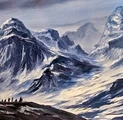 | Misty Mountains (Mountain range that lay between Eriador in the west and the Great River Anduin in the east) | 50%
|
 | Pelargir (Pelargir was a great city on the river Anduin, and the main harbour of Gondor) | 50%
|
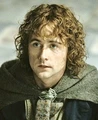 | Pippin (Peregrin Took) (In Orthanc, Pippin picked up Saruman's palantír, which Gríma Wormtongue threw. As he looked into the stone, Pippin had a first-hand encounter with Sauron himself, leading the Dark Lord to assume Pippin was the Ring-bearer. Gandalf and Pippin then rode on Shadowfax to Gondor, for the latter's protection from Sauron's forces. Pippin met Denethor II, the Ruling Steward of Gondor and Boromir's father. In recompense for Boromir's death, Pippin pledged his allegiance to Denethor and became a Guard of the Citadel. While in Minas Tirith, Pippin befriended Beregond, a fellow Guard of the Citadel, his son Bergil, and Faramir, Boromir's younger brother. During the Siege of Gondor, Pippin witnessed Denethor preparing a pyre in the Hallows for himself and an unconscious Faramir. Pippin quickly went out in search for Gandalf, with whom he was able to save Faramir from being burned to death. Denethor, however, burned to death in the pyre he had made) | 50%
|
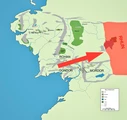 | Rhûn (The East / Eastlands), A large region in far-eastern Middle-earth (Rhûn, also called The East and Eastlands in the Westron tongue, was a large region in far-eastern Middle-earth. It was the home of the Easterlings in the Second and Third Ages. It had many different groups who often fought each other but who were united by Sauron in hatred of the West, and served him in the War of the Rings) | 50%
|
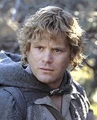 | Sam (Samwise Gamgee) (Samwise Gamgee, known as Sam, was a hobbit of the Shire. He was Frodo Baggins' gardener and best friend. gave Sam the Red Book of Westmarch and Bag End where he and his large personal family would live. After his wife died in the year 61 of the Fourth Age, Sam, at the age of 102 left the Shire to be reunited with Frodo in the Undying Lands) | 50%
|
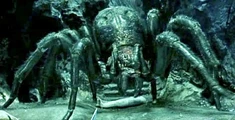 | Shelob (Shelob was a great Spider and the greatest offspring of Ungoliant, the primordial spider. In the Third Age she lived on the borders of Mordor and was known to feed indiscriminately, preying on the inhabitants. She was encountered by Frodo Baggins and Samwise Gamgee in their quest to destroy the One Ring) | 50%
|
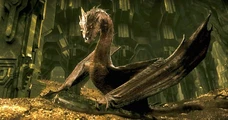 | Smaug (Smaug was a fire-drake of the Third Age, considered the last "great" dragon of Middle-earth. He was drawn to the enormous wealth amassed by the Dwarves of the Lonely Mountain during King Thror's reign. He laid waste to the nearby city of Dale and captured the Lonely Mountain, driving the surviving Dwarves into exile. For 171 years, Smaug hoarded the Lonely Mountain's treasures to himself, staying within the mountain until a company of Dwarves managed to enter the Lonely Mountain and awaken him from hibernation. Correctly believing that the Dwarves had received assistance from the men of Lake-town in entering the Lonely Mountain, Smaug left the mountain to wreak destruction upon Lake-town, nearly destroying it before being slain by Bard the Bowman) | 50%
|
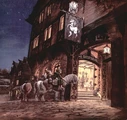 | The Prancing Pony (The Prancing Pony was an inn in the town of Bree where Frodo Baggins, Sam, Pippin, and Merry first met Strider) | 50%
|
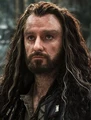 | Thorin Oakenshield (Thorin II) (Thorin II, also known as Thorin Oakenshield, was the King of Durin's Folk from T.A. 2850 until his death in T.A. 2941, being the son of Thráin II, grandson of Thrór and older brother to Frerin and Dís, and uncle to Fíli & Kíli. Thorin led Durin's Folk of the Blue Mountains during their time in exile. In T.A. 2941 he led the quest for Erebor accompanied by twelve Dwarves, Bilbo Baggins, and Gandalf the Grey. He led the quest for Erebor accompanied by twelve Dwarves, Bilbo Baggins, and Gandalf the Grey; he briefly became King under the Mountain until he perished following the Battle of Five Armies) | 50%
|
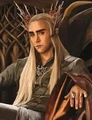 | Thranduil / Elvenking (Dior, also known as Dior Eluchil, was the son of Beren Erchamion of the House of Beor and the princess Luthien Tinúviel, daughter of King Thingol and Melian. He later became the second (and last) King of Doriath as the only heir of Thingol, and thereby the High King of the Sindar also. Dior was called the Fair and was the first Half-elf in Middle-earth's history, for his father was of the race of Men, and his mother inherited Elven blood) | 50%
|
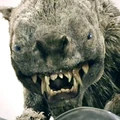 | Wargs (Wargs were a breed of wolves, commonly living in the Misty Mountains, that served Sauron the Dark Lord and his agents in the conflicts of the Third Age. Often in league with the nearby Northern Orcs, they were also used as mounts by the Orcs of Isengard and Mordor) | 50%
|
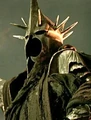 | Witch-king of Angmar (The Witch-king of Angmar, or Lord of the Nazgûl, was the leader of the Nazgûl (Ringwraiths) and Sauron's deadliest servant during the Second and Third Ages of Middle-earth. His identity is unknown, but he could be one of three noble lords of Númenor, who were corrupted by the Nine Rings of Power and thus became the undying Wraiths bound to the will of the Dark Lord. After Sauron's defeat by the Last Alliance, the Witch-king eventually reappeared in the Third Age's 14th century to found the evil realm of Angmar, where he gained his infamous epithet and ruled for almost seven centuries until the three successor states of Arnor were finally conquered. The Witch-king returned to Mordor to facilitate Sauron's return to power, then took Gondor's city of Minas Ithil and refortified it as Minas Morgul, and snuffed out the line of Kings of Gondor. He led his master's main armies in the War of the Ring, stabbed Frodo Baggins on Weathertop during the first months of Frodo's venture out of the Shire to Rivendell, and at the Battle of the Pelennor Fields he broke Minas Tirith's Great Gate and slew King Théoden of Rohan, before meeting his own doom) | 50%
|
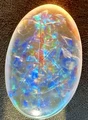 | Arkenstone (The Arkenstone was a great jewel discovered beneath the roots of the Lonely Mountain during the reign of Thráin I and prized by his descendants as the "Heart of the Mountain") | 40%
|
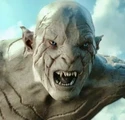 | Azog (Azog was an Orc "king" of the Third Age who commanded the tribes of Moria until his death in TA 2799. He was responsible for the death of the Dwarven King Thrór) | 40%
|
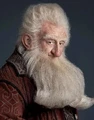 | Balin (Balin was born in Erebor, the son of Fundin. In the year Balin turned seven, Erebor was sacked by the dragon Smaug, and the Dwarves went into exile. Balin and his brother Dwalin settled in the Blue Mountains with their surviving family) | 40%
|
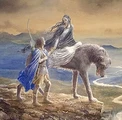 | Beren and Lúthien (Stole a silmaril from the crown of Morgoth) | 40%
|
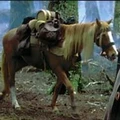 | Bill the Pony (Bill was Samwise Gamgee's pony during the first adventures of the Fellowship of the Ring, until they reached Moria. Bill was purchased in Bree. Bill the Pony travelled with Strider and the Hobbits through the leagues of Eriador. On the homeward journey of the hobbits, Sam was reunited with Bill the Pony at the Prancing Pony) | 40%
|
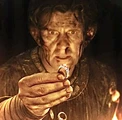 | Celebrimbor (Grandson of Fëanor, forger of the Rings of Power. Eru Ilúvatar was the supreme being of Eä. He was the single creator of existence, all-knowing and all-powerful, and the only entity with the power to create souls. Though the Ainur attempted to shape and govern Eä according to Eru's general will (which they understood imperfectly), he never allowed those who exist within the world to do as they will, and only rarely was known to intervene in the affairs of Eä) | 40%
|
 | Doriath (Doriath was the mighty forest kingdom of Elu Thingol, greatest of the realms of the Sindar in Beleriand of the First Age) | 40%
|
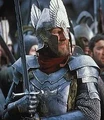 | Elendil (Elendil was a man of Númenor and the father of Isildur and Anárion who led the survivors of its Downfall to the shores of Middle-earth where they founded two Realms in Exile: Arnor and Gondor. Thus, Elendil became the first King of both realms and held the title of first High King of the Dúnedain, making him supreme overlord of all exiled Númenóreans in the lands east of the Great Sea. Elendil was killed alongside his friend, the High King Gil-galad, by the Dark Lord Sauron at the Siege of Barad-dûr, in the War of the Last Alliance in the late Second Age) | 40%
|
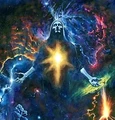 | Eru Ilúvatar (Eru Ilúvatar was the supreme being of Eä. He was the single creator of existence, all-knowing and all-powerful, and the only entity with the power to create souls. Though the Ainur attempted to shape and govern Eä according to Eru's general will (which they understood imperfectly), he never allowed those who exist within the world to do as they will, and only rarely was known to intervene in the affairs of Eä) | 40%
|
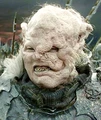 | Gothmog (Lord of Balrogs) | 40%
|
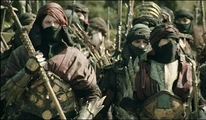 | Haradrim (Easterlings of Rhûn allied with Sauron. The Haradrim, known in Westron as the Southrons and once as "Swertings" by Hobbits, were the race of Men from the Haradwaith, south of Gondor. Most of them were hostile to the Dúnedain, whose ancestors had oppressed them, and served Sauron the Dark Lord. Some, however, rejected him and instead followed the Blue Wizards) | 40%
|
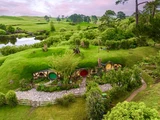 | Hobbiton (Hobbiton was a village in the central regions of The Shire, within the borders of the Westfarthing) | 40%
|
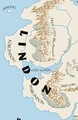 | Lindon (Lindon was a region of the Westlands. Initially populated by Laiquendi in the Elder Days, it became an important Elvish realm in the following Ages, known for its havens and ships that would sail for the West) | 40%
|
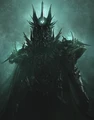 | Melkor / Morgoth / Bauglir (Morgoth was the rebel Vala, the first Dark Lord, and the primordial source of evil in Eä in the Elder Days. He coveted Arda and all that it contained, but when he was rejected in his lordship by his fellow Ainur, he sought instead to destroy, corrupt or pervert all that which they would create or steward. Defying the will of his creator, Ilúvatar, and sowing discord among the Ainur, Melkor would be at the root of virtually all the misfortunes which befell Eä and those who dwelt within it. The First Age and preceding eras saw him destroy many works of the Valar, such as the Two Lamps and Two Trees of Valinor, and clash with the Ñoldor for his theft of the Silmarils, leading to Melkor being renamed as Morgoth. However, eventually defeated by the Host of Valinor in the War of Wrath at the end of the First Age, Morgoth was banished from Middle-earth into the Timeless Void, though some believe that he will one day return for Dagor Dagorath. Regardless, his will remains as a part of Arda even after his physical expulsion, a whisper in the hearts of Elves and Men that would turn to evil those who heed it) | 40%
|
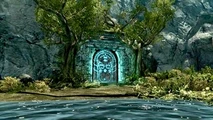 | Moria (Khazad-dûm) (Khazad-dûm, also known as the Dwarrowdelf, the Mines of Moria, or simply Moria, was an underground kingdom beneath the Misty Mountains. It was known for being the ancient realm of the Dwarves of Durin's Folk, and the most famed of all Dwarven realms. Moria was the only source of Mithril) | 40%
|
 | Northern Waste / Forodwaith (The Northern Waste was a vast cold region, in the far north end of Middle-earth, beyond the Mountains of Angmar, Mount Gundabad and the Ered Mithrin) | 40%
|
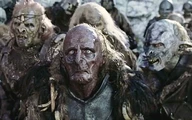 | Orcs (Created out of Elves by Melkor) | 40%
|
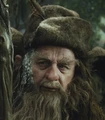 | Radagast the Brown (Istari name), Aiwendil (Maia name) (Radagast the Brown was one of five Wizards sent to Middle-earth to contest the will of Sauron. Originally a Maia of Yavanna, Radagast mainly concerned himself with the well-being of the plant and animal worlds, and thus did not participate heavily in the War of the Ring) | 40%
|
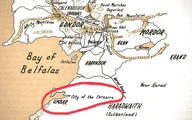 | Umbar (The Corsairs of Umbar were recruited by Sauron to attack Minas Tirith from the south by boat, from the Anduin river) | 40%
|
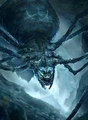 | Ungoliant (Ungoliant was a spirit who took on the form of a monstrous Spider. She was initially an ally of Melkor in Aman, and for a short time in Middle-earth as well. She was a distant mother of Shelob, and the oldest and first giant spider of Arda. She was the destroyer of the Two Trees of Valinor) | 40%
|
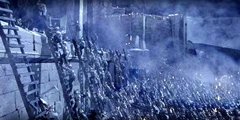 | Battle of Helm's Deep / Battle of the Hornburg (It was the first large-scale battle of the War of the Ring, where the Rohirrim under King Théoden defended the Hornburg from Saruman's army of Dunlendings and Uruk-hai) | 30%
|
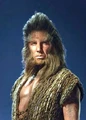 | Beorn (Beorn was a Northman, skin-changer, and chieftain of the Beornings who lived near the river Anduin between Mirkwood and the Misty Mountains. His kin lived in that region during the last centuries of the Third Age, guarding the Ford of Carrock from the Northern Orcs and the Wargs." He was the father of Grimbeorn the Old) | 30%
|
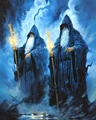 | Blue Wizards (The Blue Wizards who were sent into the far East and South of Middle-earth to contest the will of Sauron, but never returned) | 30%
|
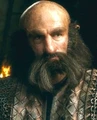 | Dwalin (Brother of Balin) | 30%
|
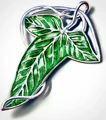 | Elven-Brooch / Leaves of Lórien (Elven-brooches were given to all nine members of the Fellowship of the Ring and were used to fasten the hooded cloaks made for them by Galadriel. Each brooch was fashioned like a green leaf veined with silver) | 30%
|
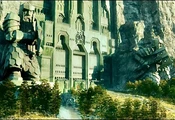 | Erebor (Lonely Mountain) (The Lonely Mountain, known in Sindarin as Erebor, referred to both a mountain in northern Rhovanion and the subterranean Dwarven city contained within it. In the latter half of the Third Age, it became the greatest Dwarvern city in Middle-earth. It was located northeast of Mirkwood, near the Grey Mountains, and was the source of the River Running) | 30%
|
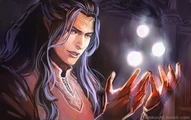 | Fëanor (Creator of the Silmarils, Palantir & Tengwar script. King of Noldor after his father Finwës death) | 30%
|
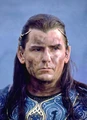 | Gil-galad (Ereinion Gil-galad, born Artanáro, was a Noldorin Elf and son to Orodreth. He was the last High King of the Noldor in Middle-earth, and bore many titles, including High King of the Elves of the West, King of the Eldar, King of Lindon, Lord of the High Elves, and the Lord of Eriador. Gil-galad held the highest authority among the Elves he ruled and was respected by both the Noldor and the Sindar, considered a "High King" of Elves in Middle-earth. He formed the Last Alliance of Elves and Men with King Elendil, and led the Elves to war against Sauron. His death in this war marked the end of the Noldorin Kingdoms in Middle-earth, although some Noldor would remain in Imladris or the Grey Havens throughout the Third Age) | 30%
|
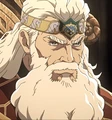 | Helm Hammerhand (Helm was the ninth King of Rohan, and the last of the first line of its Kings. His rule was plagued by war with Dunlendings that attempted to usurp his rule of Rohan) | 30%
|
 | Hithlum (Hithlum was a region north of Beleriand near the Helcaraxë) | 30%
|
 | Húrin Thalion (In "the Tale of the Children of Húrin" he was captured by Morgoth at the Nirnaeth Arnoediad and the Dark Lord attempted to convince him to reveal the secret location of Gondolin. He refused, and in response the Dark Lord cursed his kin and imprisoned him on Thangorodrim. He was forced to watch the curse befall his children.[3] The curse led to some of the greatest successes and tragedies of the First Age) | 30%
|
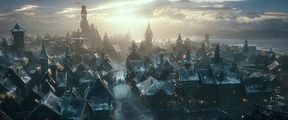 | Lake-Town / Esgaroth (Lake-town, also known as Esgaroth, was a town of the Lake-men in Wilderland) | 30%
|
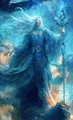 | Manwë (Leader of the Ainur, one of the Aratar, King of the Valar, husband of Varda. Brother of Melkor) | 30%
|
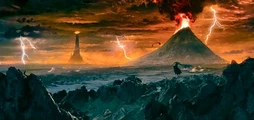 | Mordor (Mordor was a land in the south-east of the Westlands east of Gondor. During most of the Second and Third Ages it was ruled by Sauron and it was his dwelling and base from which he attempted to conquer Middle-earth. Capital: Barad-dûr) | 30%
|
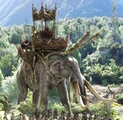 | Mûmakil (Oliphaunts) (Mûmakil were large creatures resembling elephants, often used in battle by the Haradrim) | 30%
|
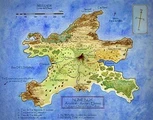 | Númenor / Westernesse / Elenna / Andor (Númenor was a kingdom of Men, established on an island that was brought up out of the sea by the Valar in the early Second Age, after the final ruin of Beleriand. The culture of the Númenóreans originated there shortly afterwards. Númenor was the kingdom of the Númenóreans, the Dúnedain, located on an island in the Great Sea, between Middle-earth and Aman. The land was brought up from the sea as a gift to Men. The island was called originally Elenna, or Isle of Elenna ("Starwards"), because the Dúnedain were led to it by the star of Eärendil, and because the island was in the shape of a five-pointed star. At the center of the island the mountain Meneltarma was used by the Dúnedain as a temple to Ilúvatar. The largest city and capital of the island was Armenelos) | 30%
|
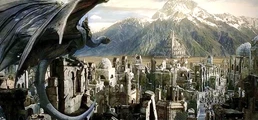 | Osgiliath (the first capital city of Gondor. The abandoned city gained strategic importance as a crossing point over the Anduin, both for the Men of Gondor and Orcs of Mordor) | 30%
|
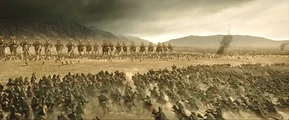 | Pelennor Fields (Battle of the Pelennor Fields was the defence of the city of Minas Tirith by the forces of Gondor and the cavalry of its ally Rohan, against the forces of the Dark Lord Sauron from Mordor and its allies the Haradrim and the Easterlings. It was the largest battle in the War of the Ring) | 30%
|
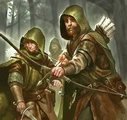 | Rangers of the South / Rangers of Ithilien (The Rangers of Ithilien, or Rangers of the South, much like their distant cousins in the North, were a military group whose purpose was to defend Ithilien, east of the Anduin river, to prevent Haradrim and Orcs from entering Gondor and from gaining full control of the lost province) | 30%
|
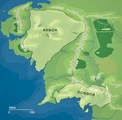 | Realms in Exile / Kingdoms of the Dúnedain (The Realms in Exile were the two kingdoms established by Elendil and his sons after the Downfall of Númenor. Often called the Kingdoms of the Dúnedain, it was the collective name for Arnor and Gondor, the North-Kingdom and South-kingdom of the Dúnedain in the Westlands of Middle-earth) | 30%
|
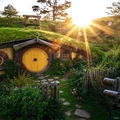 | The Shire (The Shire was a region in Eriador inhabited by Hobbits) | 30%
|
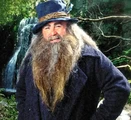 | Tom Bombadil (Tom Bombadil was a mysterious being that lived for much of the history of the world, being known in the Third Age to dwell in the valley of the Withywindle in the depths of the Old Forest, east of Buckland, and close to the dangerous Barrow-downs. His domain was of modest size, but he seemed to possess an unequaled power over the land around his dwelling. He lived in a small house with his wife, Goldberry, between the Barrow-downs and the Dingle of the Old Forest, far from any other settlement. Although seemingly benevolent, he took no open stance against the Dark Lords) | 30%
|
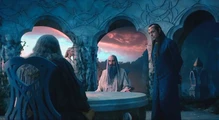 | White Council / Council of the Wise (Was a gathering of the Wise in Middle-earth. The purpose of the Council was "to unite and direct the forces of the West, in resistance to the shadow.") | 30%
|
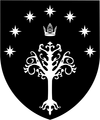 | White Tree of Gondor (originating from a sapling of the sacred trees of Valinor given to the Númenóreans, was planted in Minas Tirith as a symbol of Gondor's divine favor and royal lineage, but it withered during the kingdom's decline until a new sapling was found and replanted by Aragorn after Sauron's defeat in the Third Age) | 30%
|
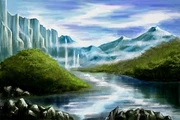 | Anduin (Middle-earth's longest river in the Third Age) | 20%
|
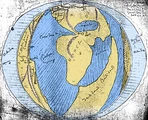 | Arda (Arda was a planet in Eä where all the peoples of Middle-earth and Aman lived. In late writings, J.R.R. Tolkien referred to the solar system encompassing the world as the "Kingdom of Arda") | 20%
|
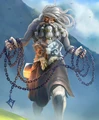 | Aulë (Aulë's greatest works were the Two Lamps of the Valar, the vessels of the Sun and Moon, and the Dwarves. He also created Angainor, the chain of Melkor) | 20%
|
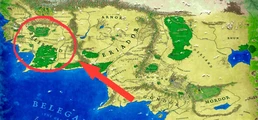 | Beleriand (Beleriand was a vast region of Middle-earth, home to Elven kingdoms, which was devastated and largely submerged at the end of the war of wrath of the First Age) | 20%
|
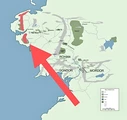 | Blue Mountains (The Blue Mountains, or Ered Luin, was a mountain range situated in the far west of Eriador and the far east of Beleriand. In the latter part of the Third Age, the Dwarves settled the Blue Mountains again when Thráin II, his son Thorin and the Dwarven survivors of the Sack of Erebor moved from Dunland and delved a prosperous settlement there. Dwarves continued to mine the Blue Mountains into the Fourth Age) | 20%
|
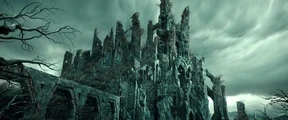 | Dol Guldur (was a stronghold of Sauron at the highest point in a highland in the southwest of Mirkwood) | 20%
|
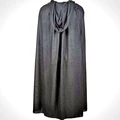 | Elven-Cloak (Elven-cloaks were given to all nine members of the Fellowship of the Ring, woven for them by Galadriel herself and her maidens. Each cloak had a hood, was fitted to its wearer, and was fastened by a green Elven-brooch. Their colour was hard to define – grey in twilight but green when moved or brown as fields or dusk-silver in the night. While they could not deflect a shaft or blade they acted as camouflage against unfriendly eyes) | 20%
|
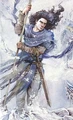 | Fingolfin (Half-Brother of Fëanor, king of Noldor after Fëanor) | 20%
|
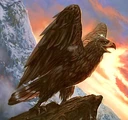 | Gwaihir the Windlord (Gwaihir, also known as Gwaihir the Windlord, was lord of the Great Eagles during the Third Age. Gwaihir was descended from Thorondor, the greatest Eagle who ever lived. It was said that he and his brother Landroval aided Thorondor in rescuing Beren and Luthien from Angband) | 20%
|
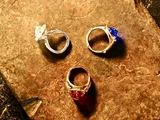 | Rings of Power (The Rings of Power were twenty magical rings forged at about the middle of the Second Age, seventeen of which were intended by Sauron to seduce the rulers of Middle-earth to evil. Disguised as the benevolent entity Annatar, Sauron taught the Elf-smiths of Eregion, led by Celebrimbor, how to craft these rings. Nineteen were made: three rings for the Elves, seven rings for the Dwarves, and nine rings for Men. An additional ring, the One Ring, was forged by Sauron himself at Mount Doom. Sauron deceitfully created the One Ring to control the other rings. The nineteen lesser Rings were linked to the power of the One, and were dependent on it. Their wearers could be controlled by the wearer of the One, and if the One was destroyed, their own powers would fade with the power of the Rings under the One) | 20%
|
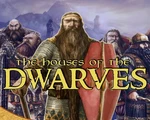 | Seven houses of the Dwarves (There were Seven Houses of the Dwarves, founded by the seven fathers who awoke at different locations. While The Lord of the Rings primarily focuses on Durin's Folk (the Longbeards), these seven original houses represent the entirety of the Dwarven race) | 20%
|
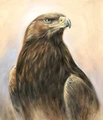 | Thorondor (King of eagles) | 20%
|
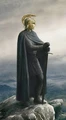 | Túrin / Túrin Turambar (Son of Húrin Thalion) (Túrin Turambar was a tragic hero of the First Age whose life was dominated by the curse of the Enemy. His deeds became the tale called Narn i Chîn Húrin ("The Tale of the Children of Húrin") | 20%
|
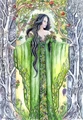 | Yavanna (Responsible for the growth of all plant life on Arda) | 20%
|
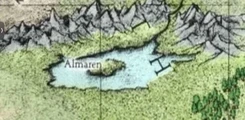 | Almaren / Isle of Almaren (was an island that was located in the Great Lake before the Years of the Trees. It was the first home of the Valar, in the middle of Arda) | 10%
|
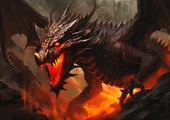 | Ancalagon the Black (Ancalagon, often titled "The Black", was the greatest of all winged dragons. He was bred by Morgoth during the First Age and was the largest dragon to have ever existed in Middle-earth. His appearance in history was restricted to the War of Wrath) | 10%
|
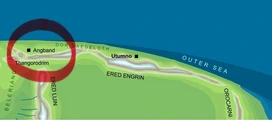 | Angband / Iron Prison (Fortress of Melkor in the Iron Mountains) | 10%
|
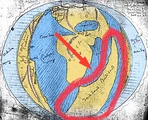 | Dark Land (The Dark Land, also referred to as the South Land, was a continent that lay southeast of where the events of the The Silmarillion and The Lord of the Rings occurred. Little is known about its geographical features, but it may have several mountain ranges going through it, including the Yellow Mountains) | 10%
|
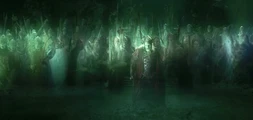 | Dead Men of Dunharrow (Broke an oath sworn to Isildur to fight against Sauron in the War of the Last Alliance. They haunted the caverns beneath the Dwimorberg, and the valley of Harrowdale that lay in its shadow, though they were said to appear in the valley only in times of trouble or death. They were led by the King of the Dead. Since the line of Isildur was thought in the late Third Age to have ended, no one could call upon the Dead Men of Dunharrow to aid them in their hours of need, as they would only answer to an Heir of Isildur (Aragorn). | 10%
|
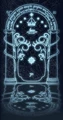 | Doors of Durin / West-gate (The Doors of Durin or West-gate were built in the dark cliffs of the Silvertine and protected the entrance to the Dwarf kingdom of Khazad-dûm, later called Moria. The doors were bordered on each side by two ancient holly trees, symbolising the border of the Elven realm of Eregion or Hollin. The doors were notable for being inlaid with ithildin, which only reflected starlight or moonlight) | 10%
|
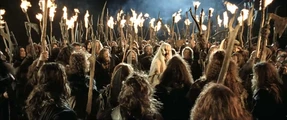 | Dunlendings (Dunlendings, also known as the Gwathuirim, were the ferocious, tall and vicious men that lived in Dunland, close to Rohan. Also called the Wild Men of Dunland, they had long been enemies of the Rohirrim, because they were jealous that the rich lands of the old Númenórean province of Calenardhon were granted by the Gondorians to the Rohirrim instead of them) | 10%
|
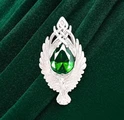 | Elfstone (The Elfstone, also known as the Elessar, was a green gem set on a silver eagle-shaped brooch. It had the light of the Sun within it, and those who looked through it saw everything that was aged and withered as young once more. The jewel gave Aragorn Il his royal name, King Elessar) | 10%
|
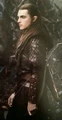 | Elros (First king of Númenor. Chose the path of men at the end of the first age. Elros was the son of Eärendil, the great hero of the First Age, and his wife Elwing. He was the twin brother of Elrond and both were Half-elven) | 10%
|
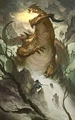 | Glaurung (Glaurung was the first terrestrial, fire-breathing dragon in Middle-earth, bred by Morgoth in the depths of Angband. He was known as the Father of Dragons and so was possibly the progenitor of the dragons) | 10%
|
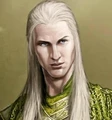 | Glorfindel (During the First Age, he was the lord of the House of the Golden Flower of Gondolin, and died fighting a Balrog. After his re-embodiment, he was allowed to come back to Middle-earth in the Second Age, acting as an emissary of the Valar, on a similar mission to the Istari who were to come several years later) | 10%
|
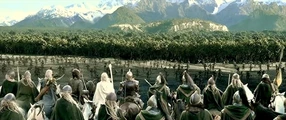 | Huorns (Huorns were large and wild tree-like creatures which could move and use speech, whom the Ents cared for and tended to in the Second and Third Ages) | 10%
|
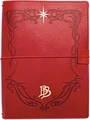 | Red Book of Westmarch (The Red Book of Westmarch was a red, leather-bound book written by the Hobbit Bilbo Baggins and his household-heir Frodo Baggins (with supplemental information later added by Samwise Gamgee), which chronicled both their adventures, as well as background information which the Bagginses had collected. Bilbo Baggins started the book recounting his quest to Erebor, which he entitled There and Back Again. He later gave the book to Frodo at Rivendell after completing it. Frodo organized Bilbo's manuscript and used it to record his own Quest of the Ring) | 10%
|
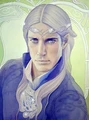 | Thingol (Elu) (Elu Thingol, originally Elwe, was an Elf of the Teleri during the First Age. His brother was Olwe, who became the Lord of Alqualonde, Lord of Tol Eressa, and King of the Teleri of Aman; they may have also had a second brother called Elmo, whom was a good friend of Fine, the first King of the Noldor during the times before the Elves reached Aman) | 10%
|
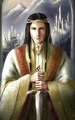 | Turgon (Founder of Gondolin. Son of Fingolfin, brother of Fingon) | 10%
|
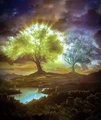 | Two Trees of Valinor (Laur lin & Telperion) (The Two Trees of Valinor, also known as the Trees of the Valar or simply the Two Trees, were Laurelin (the Gold Tree) and Telperion (the Silver Tree), which brought light into the land of the Valar in ancient times. They were destroyed by Melkor and the primal spider Ungoliant, but their last flower and fruit were made by the Valar into the Sun and the Moon) | 10%
|
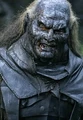 | Uglúk (Ugluk was the leader of the Uruk-hai scouts who were sent from Isengard to pursue the Fellowship of the Ring in TA 3018, and a trusted servant of the wizard Saruman) | 10%
|
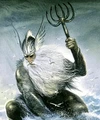 | Ulmo (King of the Sea) | 10%
|
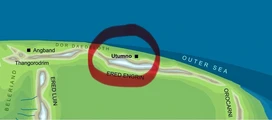 | Utumno / Udûn (Earlier Fortress of Melkor) | 10%
|
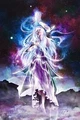 | Varda (Wife of Manwë and Queen of the Valar) | 10%
|
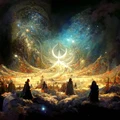 | Ainulindalë | 0%
|
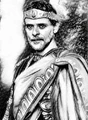 | Amandil (Amandil was the eighteenth and last Lord of Andúnië in Númenor. In common with his ancestors, Amandil was a member of the Faithful, those Númenóreans who still revered the Valar in opposition to the King's Men. After the Downfall of Númenor, Amandil's son Elendil would found the Númenórean Realms in Exile) | 0%
|
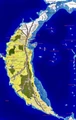 | Aman / Undying Lands (Aman was a continent that lay west of Middle-earth (before the Changing of the World), across the great ocean Belegaer. It contained Valinor, home of the Valar and Maiar, as well as Eldamar, home to the three kindreds of Elves: the Vanyar, the Noldor and the Teleri. The island of Tol Eressea lay just off the eastern shore) | 0%
|
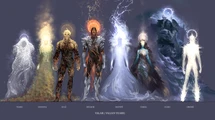 | Aratar (The eight most powerful of the Valar, the divine beings who shaped and governed the world of Arda | 0%
|
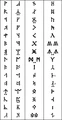 | Cirth (Dwarf) (The system was an ancient writing of the Elves, and although they were later largely replaced by the Tengwar (which were enhanced and brought by Fëanor), they were adopted by Dwarves because its straight lines were better suited to carving than the curved strokes of the Tengwar) | 0%
|
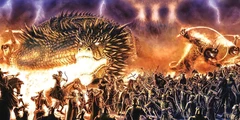 | Dagor Bragollach / Battle of the Sudden Flame (Morgoths counterattack against elves and humans in Beleriand) | 0%
|
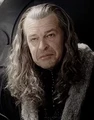 | Denethor II (Denethor II was the twenty-sixth and last Ruling Steward of Gondor, and father of War of the Ring heroes Boromir and Farami) | 0%
|
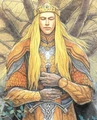 | Dior (son of Beren and Lúthien) (Dior, also known as Dior Eluchil, was the son of Beren Erchamion of the House of Beor and the princess Luthien Tinúviel, daughter of King Thingol and Melian. He later became the second (and last) King of Doriath as the only heir of Thingol, and thereby the High King of the Sindar also. Dior was called the Fair and was the first Half-elf in Middle-earth's history, for his father was of the race of Men, and his mother inherited Elven blood) | 0%
|
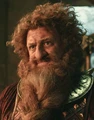 | Durin I of Khazad-dûm / Durin the Deathless (Folk Durin I of Khazad-dûm, known also as Durin the Deathless, was the oldest of the Seven Fathers of the Dwarves, first created by Aulë the Vala; and as such, the first living being that was not of the Ainur. Durin was set to sleep alone beneath Mount Gundabad by Aulë, until the Elves awoke, for Ilúvatar ordained that Elves would be the firstborn) | 0%
|
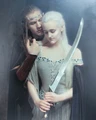 | Eärendil and Elwing (Parents of Elrond & Elros. Eärendil was a great Half-elf mariner who voyaged to Valinor, entreated before the Valar on behalf of the Children of Ilúvatar, and carried a star across the sky at the end of the First Age) | 0%
|
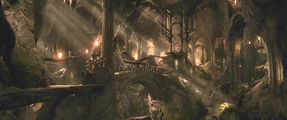 | Elvenking's Halls (The Elvenking's Halls were a cave system in northern Mirkwood, in which King Thranduil and many of the Elves of Mirkwood lived during most of the Third Age and into the Fourth Age) | 0%
|
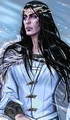 | Fingon (Son of Fingolfin) | 0%
|
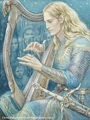 | Finrod (Galadriels brother, Founded Nargothrond. Died by Sauron sacrificing himself to save Beren) | 0%
|
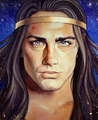 | Finwë (Father of Fëanor, first King of the Noldor, who led his people on the journey from Middle-earth to Valinor in the blessed realm of Aman. He was a great friend of Elwë, who would later become the King of Doriath. Killed by Melkor during the theft of the Silmarils) | 0%
|
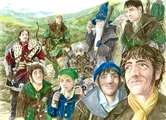 | Free Peoples of the World (The Free Peoples of the World, also known as the Free Folk, were those people who were not under Sauron's domination. By the later Third Age Sauron had Orcs, Trolls and other creatures under his control, and other peoples like the Men of Darkness enslaved or allied with him. As such, the Free Peoples were the Elves, High and Middle Men, Hobbits, Dwarves, and any folk who opposed him) | 0%
|
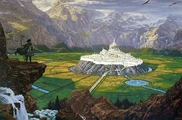 | Gondolin (Gondolin was a hidden city of the Elves located approximately in the middle of the land of Beleriand in Middle-earth. It was founded by Turgon the Wise, a Ñoldorin king in the late First Age. It endured the longest of all the Ñoldorin kingdoms in exile, lasting nearly four centuries during the Years of the Sun) | 0%
|
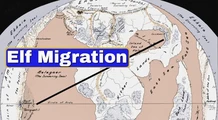 | Great Journey / Great March (Migration of Eldar Elves from Cuiviénen in the Middle Earth to Aman) | 0%
|
 | Huan (Wolfhound of Beren and Lúthien) | 0%
|
 | Idril (Idril, also called Celebrindal, was a Noldorin Elf of Gondolin. She was the daughter of Turgon and Elenwe, wife of the Man Tuor, and mother of Eärendil the Mariner, a Half-elven) | 0%
|
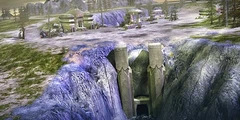 | Iron Hills (The Iron Hills, or Emyn Engrin in Sindarin, were a hill range in the northeast of Middle-earth. They were a settlement of the Dwarves of Durin's Folk. The Longbeard Dwarves of Khazad-dûm colonized the Iron Hills in the First Age. The Hills were their primary source of iron-ore. The Dwarf-road through Greenwood ran northeastward to the Hills for Dwarf-traders and merchants between Khazad-dûm. Also in the First Age, some Men who migrated out of the east—"laggard kindred" of the Edain—chose to settle in the lands between the Iron Hills and Mirkwood, becoming the Northmen of Rhovanion. After Sauron destroyed Eregion in the Second Age, the Longbeards sealed Khazad-dûm and Orcs took control of the northern Misty Mountains. This ended communication between the Iron Hills and Khazad-dûm for some time) | 0%
|
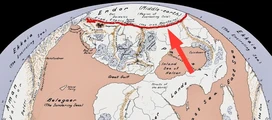 | Iron Mountains (The Iron Mountains, also known as Ered Engrin and the Mountains of Iron, were an immense mountain range in the northern part of Middle-earth. The Iron Mountains were traditionally associated with bitterly cold climates" partly due to the influence of the evil Kingdom of Melkor. It was also the former location of his ancient fortresses of Utumno and Angband) | 0%
|
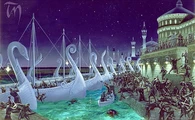 | Kinslaying at Alqualondë / First Kinslaying (Noldorin Elves of Fëanor killed Telerin Elves in order to gain their ships) | 0%
|
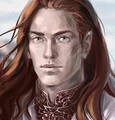 | Maedhros (One of the princes of the Noldor and was eldest of the Sons of Fëanor. Maedhros and his brothers took the terrible Oath of Fëanor to recover the Silmarils) | 0%
|
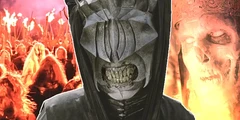 | Men of Darkness (The Men of Darkness were the Men of the east of Middle-earth who fell under the dominion of Morgoth in the First Age or were dominated by Sauron and worshipped him in the Second Age. In the Third Age they were moved by him against the Dúnedain) | 0%
|
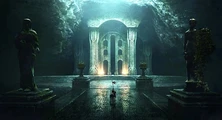 | Nargothrond (Nargothrond was an underground Elven fortress that was delved into the banks of the river Narog in West Beleriand during the First Age. It was built and ruled by the Ñoldorin king Finrod Felagund, son of Finarfin) | 0%
|
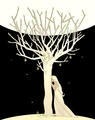 | Nimloth (Nimloth was the White Tree which grew in the King's Court in Armenelos of Númenor. It was brought as a gift by the Eldar from Tol Eressëa, in the form of a seedling from Celeborn as a symbol of friendship between the two races. Its blossoms appeared as the Sun set, and their perfume filled the night in Númenor's royal city. Soon after S.A. 3262, it was cut down at the instigation of Sauron and its wood was used to light the first flames in the fire of the new religion which worshipped Melkor. However, the night before Isildur stole a fruit from the tree and planted it in secret. The fruit grew into a seedling that Isildur carried to Middle-earth with him during the Downfall of Númenor. That seedling was planted in Minas Ithil, and was destroyed before the end of the Second Age. Its seedling in turn grew into the first White Tree of Gondor) | 0%
|
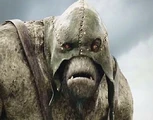 | Olog-hai (trolls that can recibe sunlight) | 0%
|
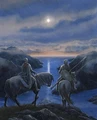 | Star of Eärendil (After Beren and Lúthien rescued a Silmaril from Morgoth's Iron Crown, this was later given to their descendant Elwing, wife of Eärendil. Both took it to Aman, and the Valar decided to rise it as a new star) | 0%
|
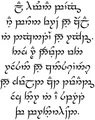 | Tengwar (Quenya and Sindarin) (The Tengwar, or Feanorian Characters, was a script invented by the Elf Feanor in the First Age. It was originally used to write a number of the languages of Tolkien's mythology, including Quenya and Sindarin. However, Tengwar can also be used to write other languages, such as English. The word Tengwar is Quenya for "letters"; the corresponding singular is tengwarr. "letter.") | 0%
|
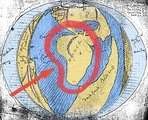 | The Hither Lands (The Hither Lands were the regions south of all Middle-earth (Endor) that were situated south of Umbar, Rhun and Cuiviénen, just west of the Eastern Sea, and north of the Dark Land) | 0%
|
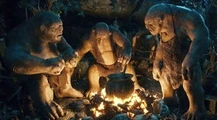 | Tom, Bert, and William (Stone-trolls) (Tom, Bert, and William "Bill" Huggins were three trolls encountered by Bilbo Baggins in the Trollshaws west of the Misty Mountains, while with Thorin and Company on their quest to regain the Lonely Mountain. Like most of their kind outside of Mordor, they were vagabonds who robbed, stole, and killed for what they needed or wanted. They were destroyed by sunlight which turned them to stone with the aid of Gandalf's trickery) | 0%
|
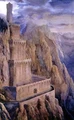 | Tower of Cirith Ungol (Frodo was taken into the Tower and searched by Orcs) | 0%
|
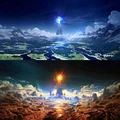 | Two lamps (Illuin & Ormal) (The Two Lamps of the Valar were Illuin and Ormal, they stood upon pillars in the far north and south of the world during the Spring of Arda) | 0%
|
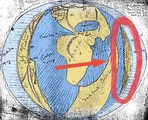 | Walls of the Sun (The Walls of the Sun or Mountains of the Sun was a great, curve-shaped mountain range in the Land of the Sun, in the far East of Arda. It corresponded symmetrically to the mountain range Pelóri on the land of Aman, but not as tall) | 0%
|
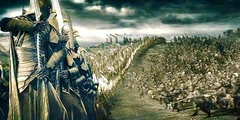 | War of the Last Alliance (Last Alliance of Elves and Men) (The War of the Last Alliance, also simply known as the War of the Alliance, was the war at the close of the Second Age in which the Last Alliance of Elves and Men marched against the forces of Sauron. Against all hope, they were victorious, but when the One Ring was not destroyed, Sauron rose again during the long years of the Third Age) | 0%
|
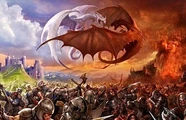 | War of Wrath (The War of Wrath, also called the Great Battle, was a clash of Elves, Men, Dwarves and Ainur against the forces of the fallen Vala Morgoth, marking both the end of the First Age and of Morgoth's rule in Middle-earth. It was the largest battle to ever occur in Arda. It resulted in the expulsion of Morgoth from Arda and the ruin of Thangorodrim, but the violence and tumult of the clashes between the forces of the Valar and of Morgoth shattered the northwestern portion of Middle-earth, Beleriand, causing it to sink beneath the ocean) | 0%
|
No matching quizzes found
Score Distribution
Percent of People with Each Score
Percentile by Number Answered
Your Score History
You have not taken this quiz since the last reset