
Featured Quizzes
User Quizzes
Create Quiz
Data and Charts
Word Search
Badges and Games
About JetPunk
Message Board
Random Quiz
Dark Mode
Final Exam ID Section - Statistics
General Stats
- This quiz has been taken 16 times
- The average score is 16 of 16
Answer Stats
| Picture | Answer | % Correct |
|---|---|---|
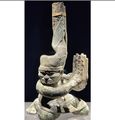 | 3000 year old chinese bronze statue | 100%
|
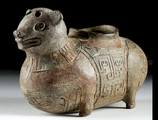 | andean ceramic vessel, chavin culture, ceremonial item | 100%
|
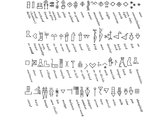 | archaic cuneiform, uruk mesopotamia, 3500-3000bc, one of the earliest writing systems | 100%
|
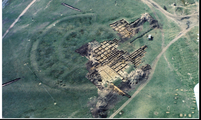 | arkaim site, sintashta culture, bronze age, present day russia, 2150-1650bc | 100%
|
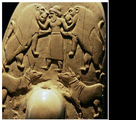 | design on handle of gebel el arak | 100%
|
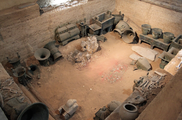 | fuhaos tomb, anyang 1200bc, only intact unlooted royal shang tomb | 100%
|
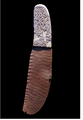 | gebel el arak, naqada ii knife from 3300-3200 bc, shows mesopotamian influence | 100%
|
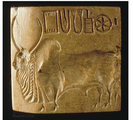 | indus seal, contains undeciphered harappan script, serve as administrative tools | 100%
|
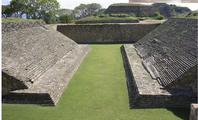 | monte alban, ball court, mesoamerica | 100%
|
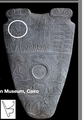 | narmer palette from naqada iii, record of the unification of Upper and Lower Egypt, features some of the earliest known hieroglyphics | 100%
|
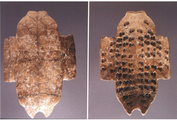 | oracle bone used in shang dynasty, script was carved, primary recording method | 100%
|
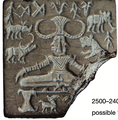 | pashupati, proto shiva seal, 2500-2400 bc, possible hindu god | 100%
|
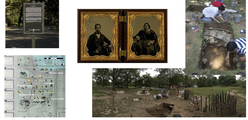 | seneca village, 1800s mostly african american settlement located where central park is now | 100%
|
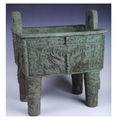 | simuwuding bronze vessel used for sacrifices in shang dynasty, heaviest surviving piece of bronzeware | 100%
|
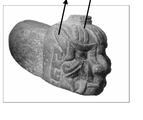 | stone sculpture of head, chavin culture, used to take drugs | 100%
|
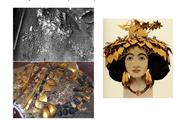 | tomb of queen pu-abi, city of ur 2550 bc, only unlooted royal mesopotamian tomb | 100%
|
No matching quizzes found
Score Distribution
Percent of People with Each Score
Percentile by Number Answered
Your Score History
You have not taken this quiz