
Featured Quizzes
User Quizzes
Create Quiz
Data and Charts
Word Search
Badges and Games
About JetPunk
Message Board
Dark Mode

Extinct Animals of Europe-Pictures
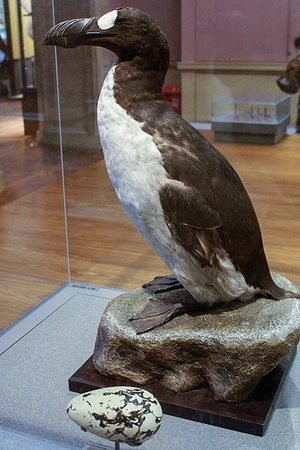
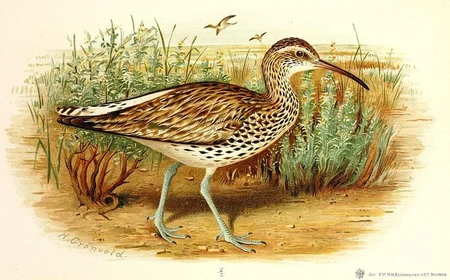
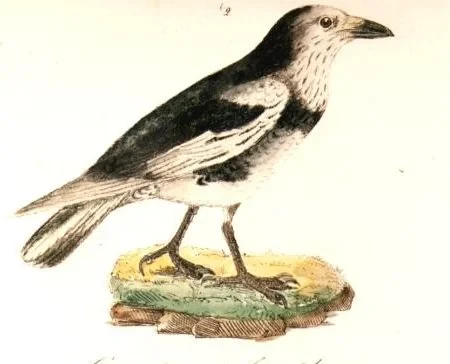
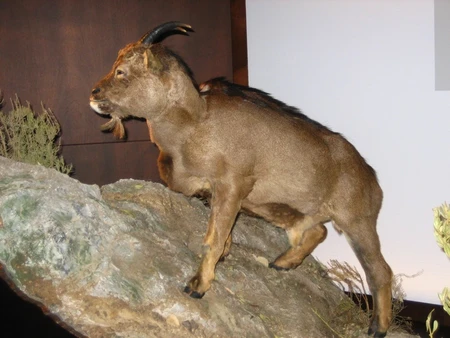
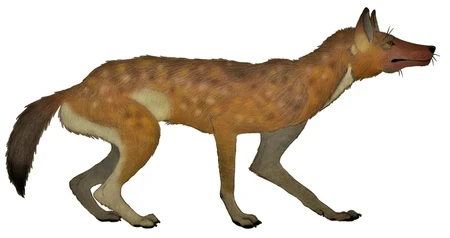
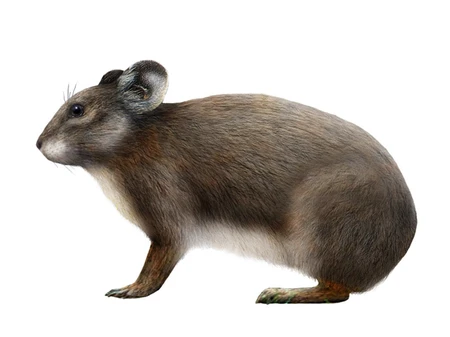
For each picture, identify the animal formerly native to Europe which became extinct in the last 10,000 years
Includes species which were present and later became extinct on other continents. So long as they lived in Europe among other places, and became extinct in the last 10,000 years, they are on here.
Unlike the North American quiz, this includes several island dwelling animals.
Several of these species are wild variants of domestic animals
Rate:
Last updated: March 18, 2025
You have not attempted this quiz yet.
More quiz info >>
| First submitted | March 18, 2025 |
| Times taken | 26 |
| Average score | 21.4% | Report this quiz | Report |
5:00
Enter answer here
0
/ 14 guessed
Time Used
00:00
Best Time
00:00
The quiz is paused. You have remaining.
Copied!
Scoring
You scored / = %
This beats or equals
% of test takers
also scored 100%
The average score is
Your high score is
Your fastest time is
Keep scrolling down for answers and more stats ...
Save Your Stats
Your Next Quiz

Try to name the countries that have exported the most weapons in the last 10 years.

Can you name the ten Asian countries with the largest GDPs?

20 random countries have been removed from the map of the world! Can you identify them in 3 minutes?

Drag the flag onto the correct state. Careful, though! One wrong move and the game ends.
Holocene Extinctions
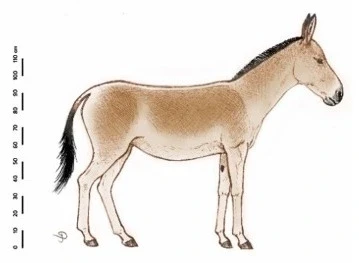
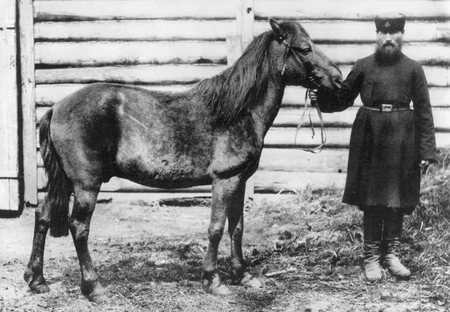
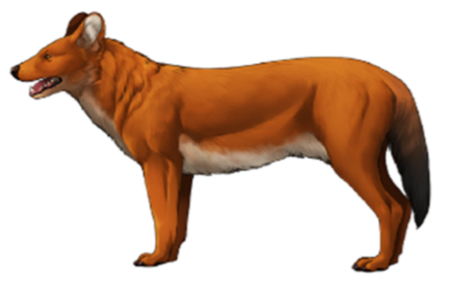
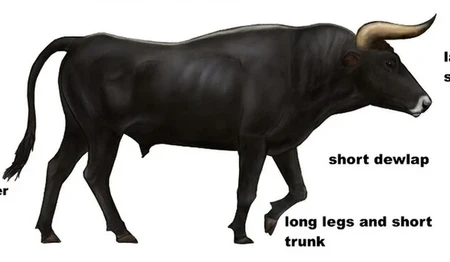
The hydruntine, wild horse, and aurochs survive as domestic variants of wild animals, the donkey, horse, and cow. In the case of the "tarpan" it isn't clear if "tarpans" like in the photo are just escaped domestic horses or if they are truly a remnant population of wild horses. Either way, there were definite wild horses on the pontic steppe prior to domestication even if the tarpan shown in this photo might not be one.
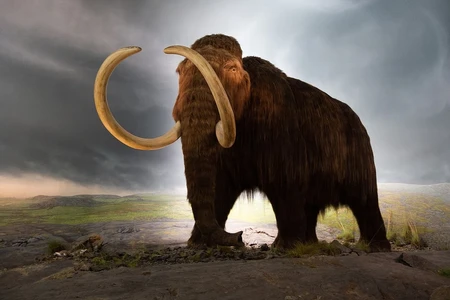
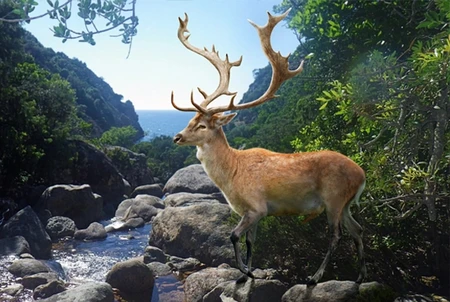
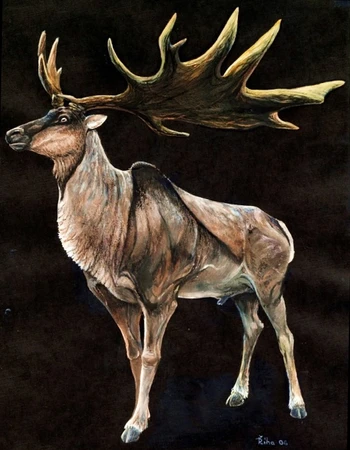
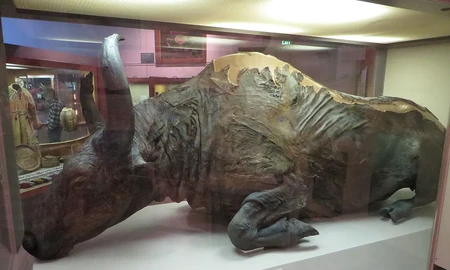
Mammoths aside, which barely made it over the 10kya limit in the Urals, the rest of the species here held on until agriculture started up. While people think of Irish Elk as Ice Age animals, they survived on the fringes of the European Steppe until ~6,000 years ago before dying out.