
Featured Quizzes
User Quizzes
Create Quiz
Data and Charts
Word Search
Flash Cards
Badges and Games
About JetPunk
Message Board
Random Quiz
Dark Mode
Living fossils
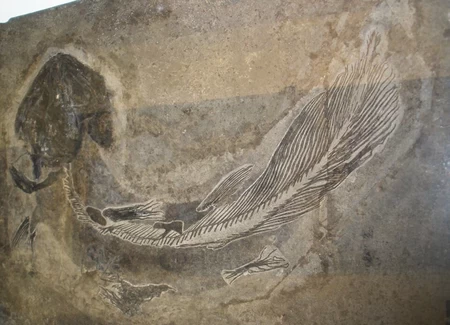
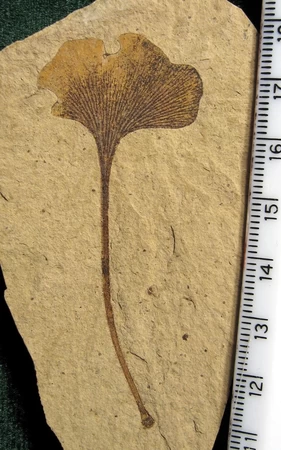
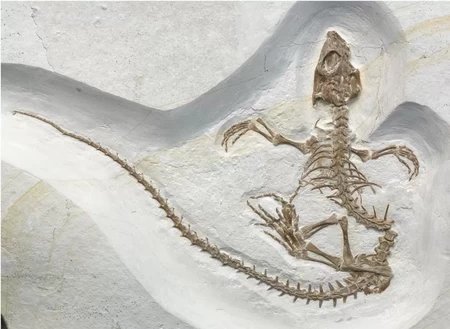
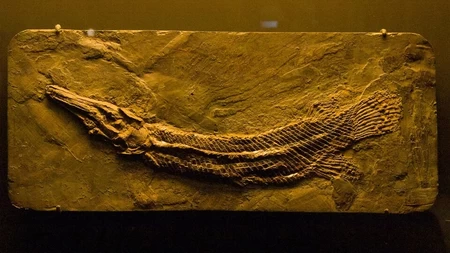
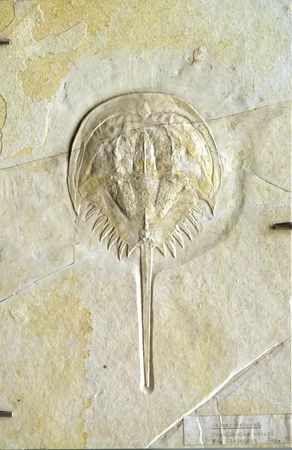
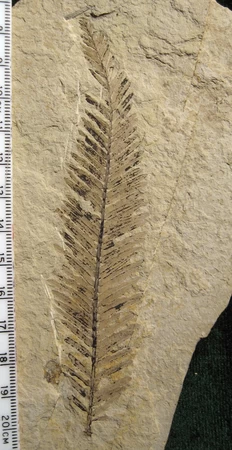
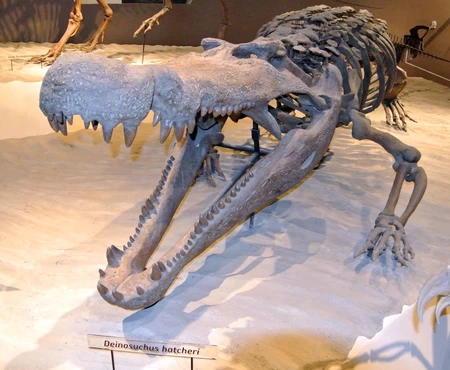
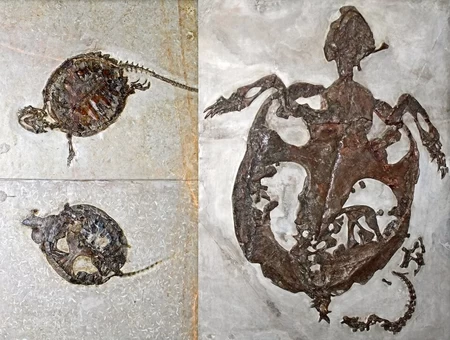
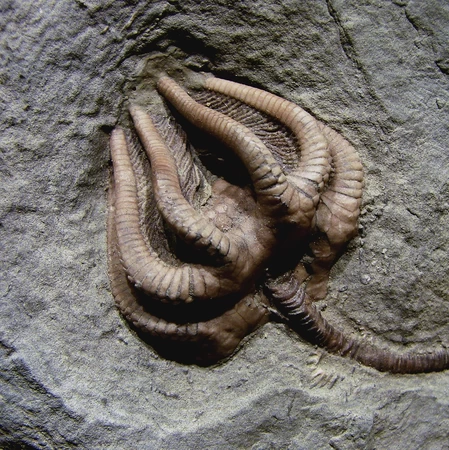
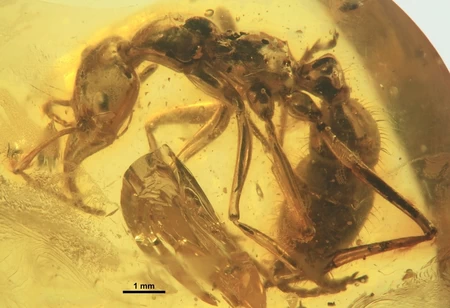
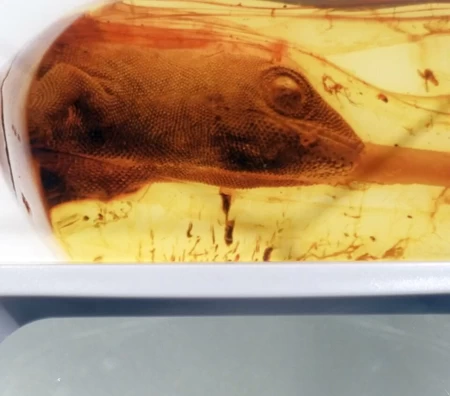
For each fossil, try to identify the living animal which closely resembles it
Living fossil usually does not mean an animal is completely unchanged from a prehistoric form to today. Rather it usually means that it is the last survivor of an ancient family, or has some "ancient" features that make it similar to an extinct animal
Rate:
Last updated: September 28, 2025
You have not attempted this quiz yet.
More quiz info >>
| First submitted | June 27, 2024 |
| Times taken | 36 |
| Average score | 23.1% | Report this quiz | Report |
4:00
Enter answer here
0
/ 13 guessed
Time Used
00:00
Best Time
00:00
The quiz is paused. You have remaining.
Copied!
Scoring
You scored / = %
This beats or equals
% of test takers
also scored 100%
The average score is
Your high score is
Your fastest time is
Keep scrolling down for answers and more stats ...
Save Your Stats
Your Next Quiz

How many countries do you know? In this quiz, you've got 15:00 to name as many as you can. Go!

Drag the flag onto the correct state. Careful, though! One wrong move and the game ends.

Drag the flag onto the correct country. Careful, though! One wrong move and the game ends.

What countries finished atop the medal table at the 2026 Winter Olympics?
New and Popular
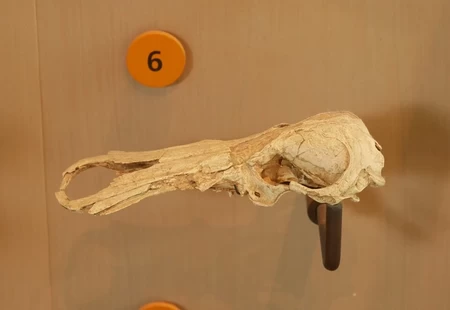
Cheated a bit with platypuses. The skull shown here is a skull of a miocene platypus. Platypuses are not living fossils because they look like platypuses from the miocene, a time by which most animal groupings should look relatively familiar, but they are definitely living fossils because of their egg laying habits, unusual in mammals.
Missing lots of animals/plants here, had to leave a bunch off due to an inability to find pictures of fossils for the animals. Eg. Aardvarks are pretty archaic, and are the sole survivor of their family, but had no luck in finding a picture of a relatively intact fossil. Tried to avoid anything where the surviving material was just teeth or bone fragments.
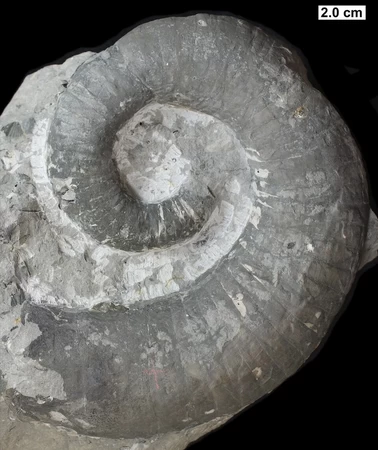
Had to confirm, but pretty sure the nautiloid fossil is not a heteromorph ammonite. The fossil is Gyronaedyceras, a devonian nautiloid, so much closer related to living nautiloids than ammonites were, and much more archaic to boot. I could have used something that looks more similar to a living nautiloid, but at least I got the subclass right.