
Featured Quizzes
User Quizzes
Create Quiz
Data and Charts
Word Search
Badges and Games
About JetPunk
Message Board
Dark Mode

Russian Writers
Private
Rate:
Last updated: September 1, 2024
You have not attempted this quiz yet.
More quiz info >>
| First submitted | September 1, 2024 |
| Times taken | 6 |
| Average score | 71.4% | Report this quiz | Report |
10:00
Enter answer here
0
/ 28 guessed
Time Used
00:00
Best Time
00:00
The quiz is paused. You have remaining.
Copied!
Scoring
You scored / = %
This beats or equals
% of test takers
also scored 100%
The average score is
Your high score is
Your fastest time is
Keep scrolling down for answers and more stats ...
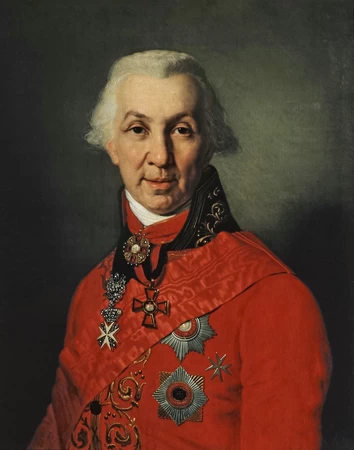
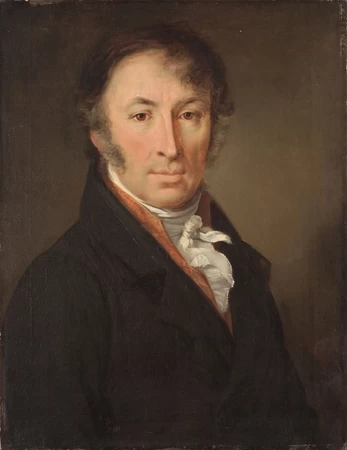
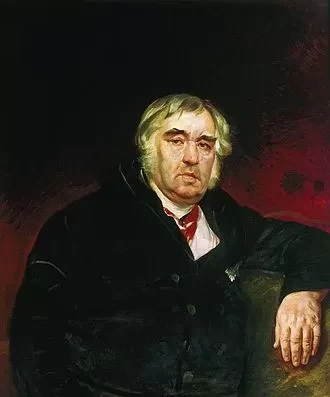
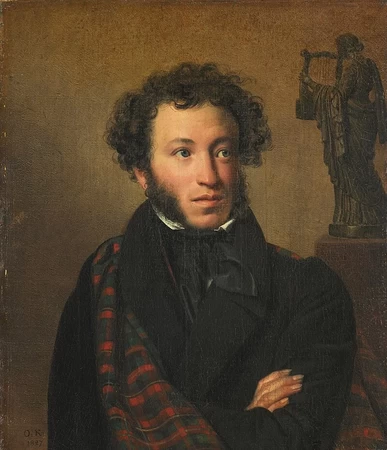
Poet and statesman, celebrated for his sophisticated, lyrical odes that blended classical influences with a distinct Russian style, marking him as one of the greatest poets of the Russian Enlightenment (1743-1816)
Historian, writer, and reformer of the Russian literary language, best known for his multi-volume History of the Russian State and for pioneering the sentimentalist movement in Russian literature (1766-1826)
A fabulist and poet often referred to as the "Russian La Fontaine" for his fables, which are still popular in Russia (1769-1844)
Often regarded as the founder of modern Russian literature. Known for his poetry, plays, and novels, including Eugene Onegin and Boris Godunov (1799–1837)
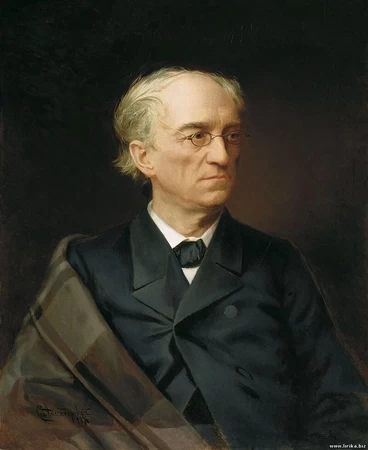
Russian romantic poet and diplomat, celebrated for his deeply philosophical and nature-inspired lyric poetry, which reflects themes of love, death, and the sublime (1803-1873)
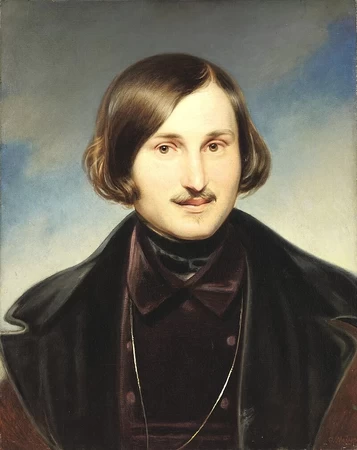
A novelist, playwright, and short story writer. Famous works include Dead Souls, The Overcoat, and The Government Inspector (1809-1852)
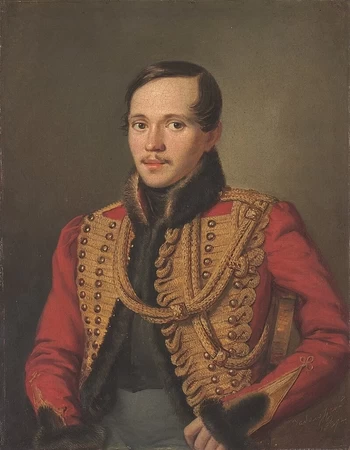
Romantic writer, poet, and painter, best known for his novel A Hero of Our Time and his poetry that often explored themes of fate, nature, and the individual (1814-1841)
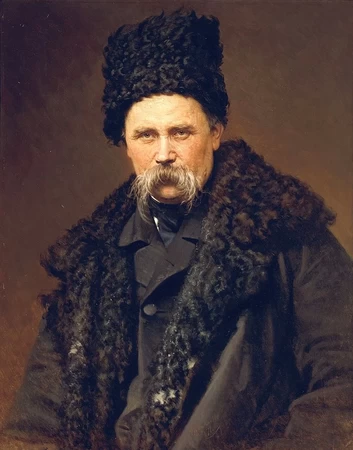
Ukrainian poet, artist, and national hero whose literary works, particularly his poetry written in Ukrainian, played a pivotal role in shaping Ukrainian national identity (1814-1861)
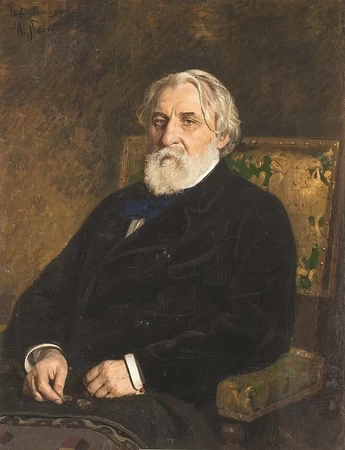
A novelist and playwright, popularized Russian literature in the west. Major work "Fathers and Sons" (1818-1883)
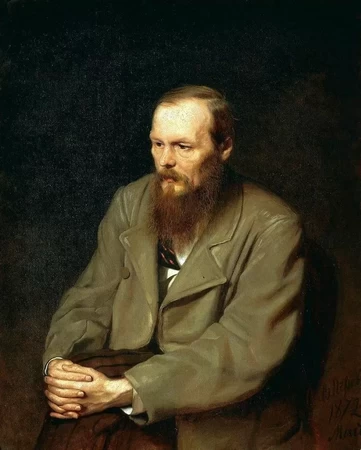
One of the greatest novelists of all time, known for exploring the depths of the human psyche. Major works include Crime and Punishment, The Brothers Karamazov, The Idiot, and Demons (1821-1881)
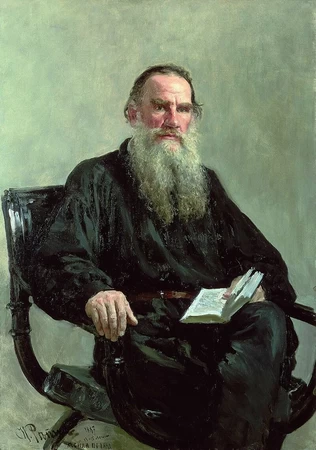
Considered one of the world's greatest novelists. Renowned for War and Peace and Anna Karenina, which are monumental works of Russian and world literature (1828-1910)
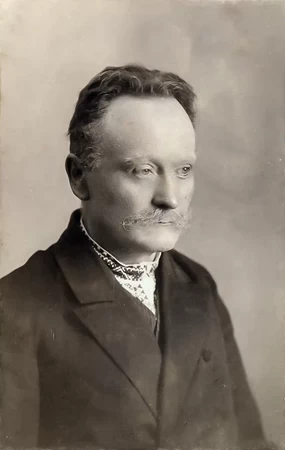
Ukrainian writer, poet, scholar, and political activist, regarded as one of the most influential figures in Ukrainian literature and culture (1856-1916)
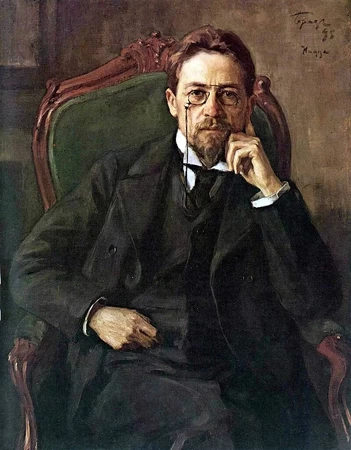
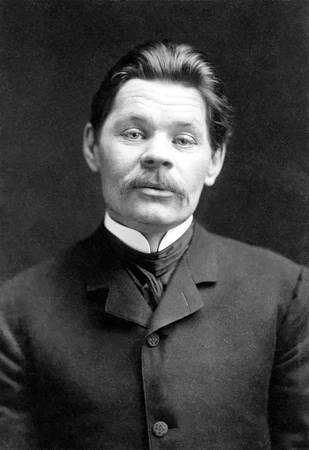
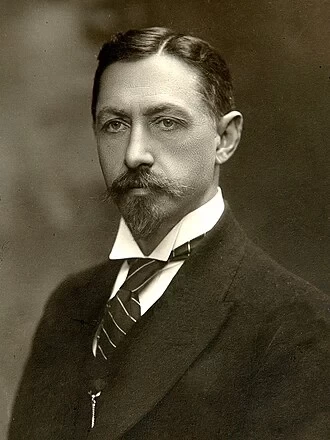
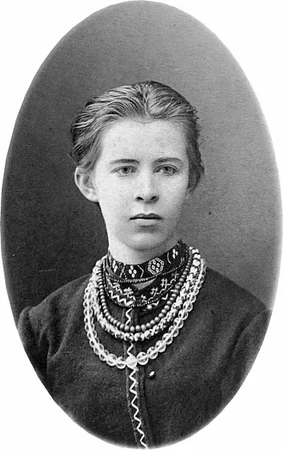
Playwright and short story writer renowned for his contributions to modern drama. Known for his plays The Cherry Orchard, The Seagull (1860-1904)
A key figure in Russian socialist realism and a founder of the Socialist Realist literary method. Important works include the novel "Mother" (1868-1936)
A novelist, short story writer, and poet, and the first Russian to win the Nobel Prize in Literature in 1933 (1870-1953)
Ukrainian poet, playwright, and literary critic, renowned for her work that addressed themes of political oppression, national identity (1871-1913)
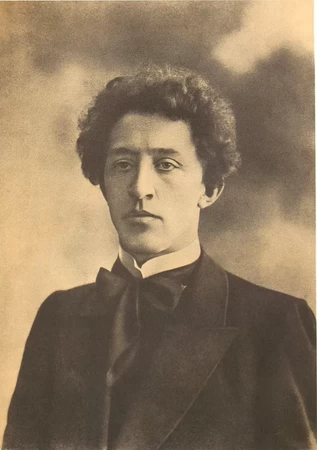
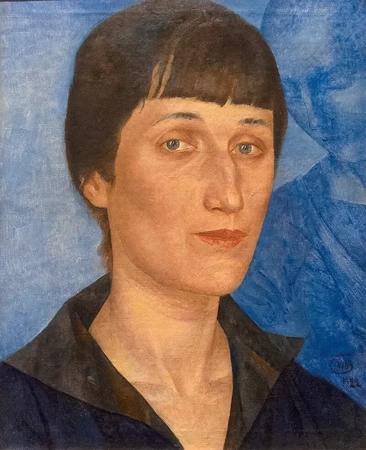
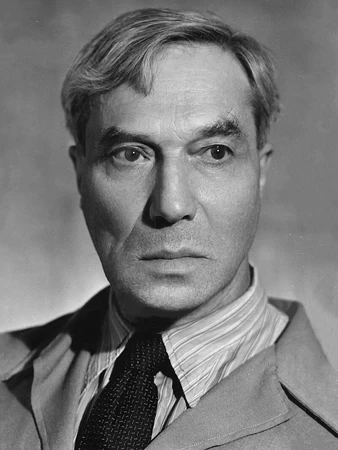
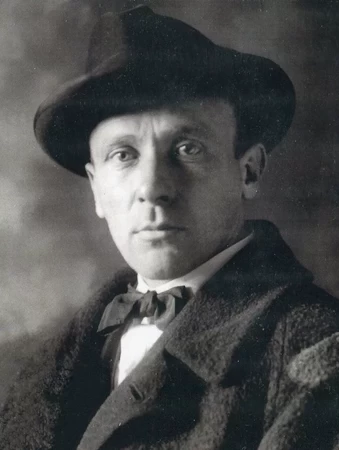
A leading poet of the Russian Symbolist movement. His works explore themes of love, mysticism, and the Russian Revolution (1880-1921)
Poet whose work, characterized by its emotional depth and lyrical beauty, powerfully captured the personal and collective suffering experienced during the Stalinist terror (1889-1966)
A poet, novelist, and translator best known for his novel Doctor Zhivago, for which he won the Nobel Prize in Literature in 1958 (1890-1960)
A novelist and playwright known for his satirical and fantastical works. His masterpiece, The Master and Margarita, is a landmark of Russian literature (1891-1940)
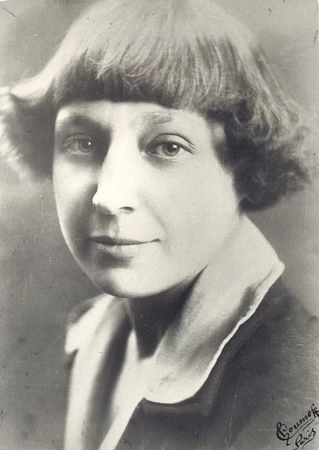
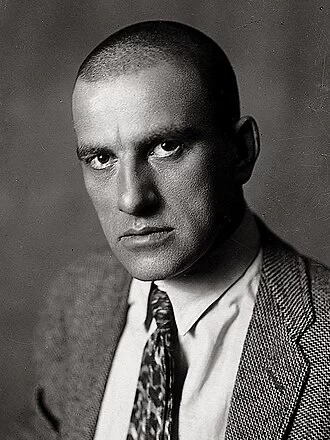
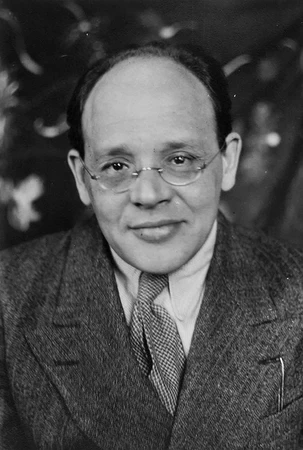
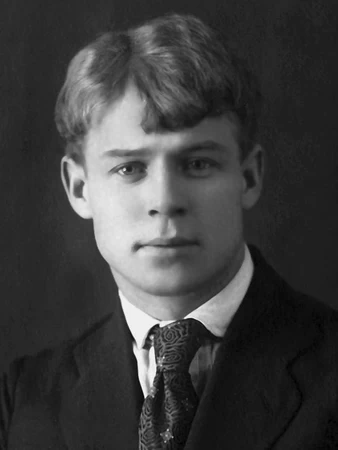
Russian poet, she lived through and wrote about the Russian Revolution of 1917 and the subsequent Moscow famine. Known for her intense, passionate verse and her exploration of themes such as love and exile (1892-1941)
A leading figure in Russian Futurism, known for his revolutionary and avant-garde poetry (1893-1930)
A short story writer and playwright known for his works on the Russian Civil War and Jewish life. Famous for his Red Cavalry stories and Odessa Tales (1894-1940)
A lyrical poet known for his depictions of Russian rural life and his romantic, often melancholic poetry (1895-1925)
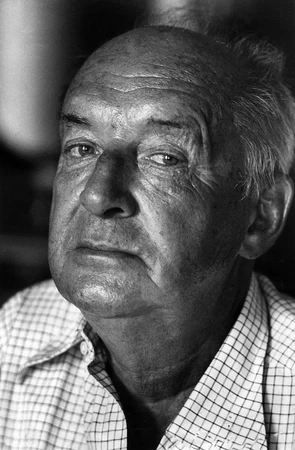
A novelist, poet, and translator who wrote both in Russian and English. Best known for his novel Lolita (1899-1977)
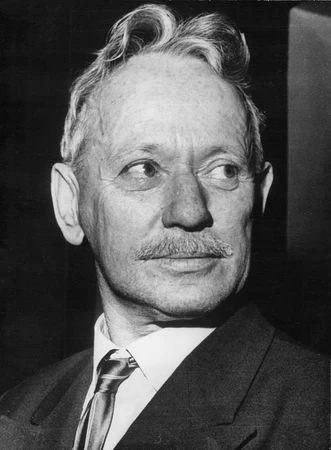
Nobel Prize laureate (1965), known for his epic novel And Quiet Flows the Don, which chronicles the lives of Don Cossacks before and during the Russian Revolution (1905-1984)
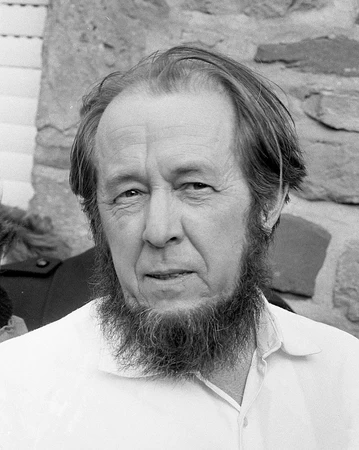
A Nobel Prize-winning author who exposed the horrors of the Soviet labor camps. Major works include One Day in the Life of Ivan Denisovich and The Gulag Archipelago (1918-2008)
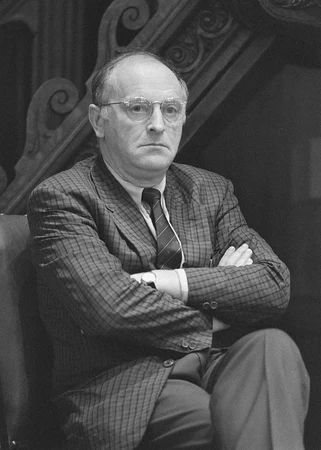
A poet and essayist, awarded the Nobel Prize in Literature in 1987. His poetry often explores themes of exile, loss, and the passage of time (1940-1996)
Save Your Stats
Your Next Quiz

Name all 50 states in the USA. Easy, right?

Can you name the capitals cities of all 196 countries in the world?

Drag the flag onto the correct country. Careful, though! One wrong move and the game ends.

Drag the pin onto the correct country. Careful, though! Three wrong moves and the game ends.
Comments
No comments yet