
Denominations of Christianity ✞☨♱
Last updated: Thursday April 9th, 2026
Report this blog
- Before starting
- Catholicism
- Foundation of the Catholic Church
- Doctrines, practices, and beliefs.
- Minor notes
- Lutheranism
- Foundation of the Lutheran Communion
- Doctrines, practices, and beliefs.
- Minor notes
- Eastern Orthodoxy
- Foundations of the Eastern Orthodox Church
- Doctrines, practices, and beliefs.
- Minor notes
- Calvinism - Reformed Protestantism
- Foundations of the Calvinist Church
- Doctrines, practices, and beliefs.
- Minor notes
- Anglicanism
- Foundations of the Anglican Communion
- Doctrines, practices, and beliefs.
- Minor Notes
- Finally, the great question...
Before starting
Before starting, I would like to define what a Christian denomination is: Simply, it's any denomination that 101% agrees with the Athanasius, Apostles' and Nicene Creeds.
If any person, as a Christian, says those creeds are demonic forgeries, I'll cry. For those of you who don't know, the creeds summarize the essential beliefs of Christianity: who God and his Christ are, the birth and life of Jesus, all those things about the Trinity, and other essentials. Check them to see what they say:
The order will be left to the spinning wheel. But surprise! I'll say which denomination I am ending the blog :D
ㅤㅤㅤㅤㅤㅤㅤㅤㅤㅤㅤㅤㅤㅤㅤㅤㅤㅤㅤㅤㅤㅤㅤㅤ
Catholicism
Yes, Catholics are Christian, and while you anathematize me, I'll explain.
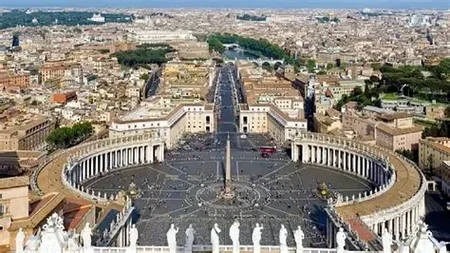
Foundation of the Catholic Church
Catholics are formally called "Holy Catholic Apostolic Roman Church", and their roots are traced back to 33 A.D., when Jesus Christ ascended to Heaven.
Before that, Jesus gave the keys of Heaven to the apostle Peter and declared him the foundation on which He was gonna build His church. These statements are backed by Catholics with help of Matthew 16:18-19.
18 And I tell you, you are Peter Simon, and on this rock I will build my church, and the gates of hell shall not prevail against it.
19 I will give you the keys of the kingdom of heaven, and whatever you bind on earth shall be bound in heaven, and whatever you loose on earth shall be loosed in heaven.
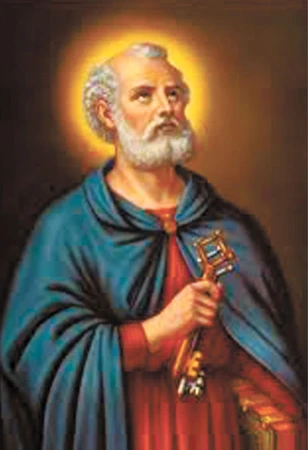
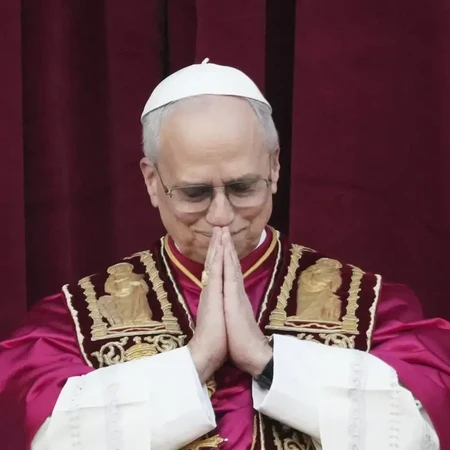
Catholics also believe that the apostles need to be replaced when they die (apostolic succession):
Judas Iscariot was hanging around, so he was replaced with Matthias; so it's interpreted that the twelve apostles must be replaced when they die. Therefore, as Peter was the leader - or pope - of the apostles, his successors will logically be the leaders of all Christians.
The last key ;) piece is, since Peter died in Rome (his bones were found there), all the bishops of Rome will be the popes of the Universal Church.
Doctrines, practices, and beliefs.
Catholics do something called Intercession of the Saints, where they ask the saints to pray for them. Mistakenly seen by protestants as worship, it's similar to asking your friend to pray for you.
They highly respect them, as well as making them icons and letters. This practice is called "dulia", which is different from worship (latria); they still think the only one worthy of latria is God.
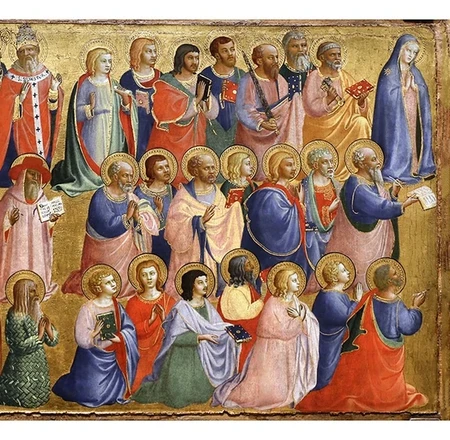
+Definition of Saint: A person any pope has infallibly named blessed, and ergo, in Heaven.
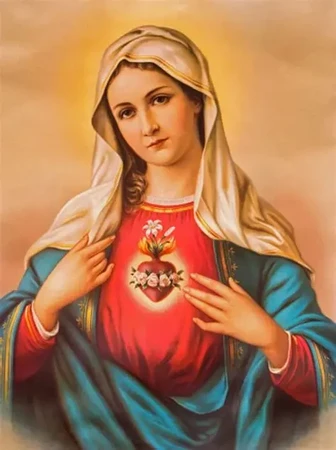
But, how about Mary? Don't Catholics worship her? NO.
Catholics render "hyperdulia" and not worship to Mary, which as it sounds, implies more prayers, respect and devotion.
Besides, they have four Marian dogmas, which are ideas of Mary that Catholics must believe:
1- Mary is the Mother of God.
2- Mary was always a virgin
3- Mary's body was assumed into Heaven. Infallibly declared by the Pope in 1950.
4- Mary was conceived without original sin (Augustinian view), so she never sins. Infallibly recognised by the pope in 1854.
Also why not, she cooperates uniquely in salvation, intercedes for us and is revered as Queen of Heaven.
What's a sacrament? Sacraments are means that God uses to give us His grace and of His Christ.
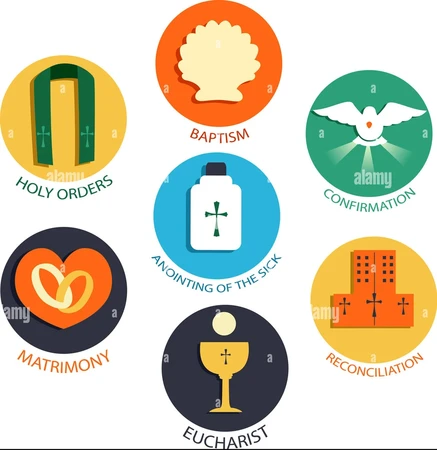
They recognize seven sacraments:
+The initiation ones: Baptism, Eucharist, and Confirmation
+The healing ones: Anointing of the Sick and Reconciliation
+And you must choose between Holy Orders and Matrimony
(If a married priest becomes Catholic, he may stay with his wife.)
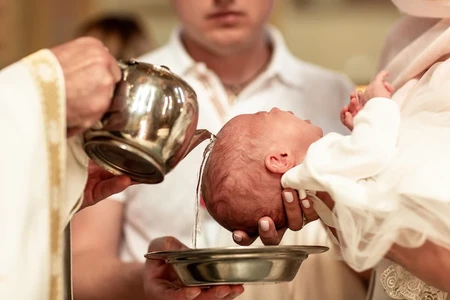
Baptism! Catholics baptize babies, just as 90% of denomination
They do so to declare the baby a son of God, to erase the Original Sin of their body, and to open them the possibility of salvation.
When you're baptized (according to Catholics), you enter a state of grace that ends with apostasy/sin: so if you die immediately after being baptized, you WILL go to Heaven.
Catholics believe that the bread and wine used in Communion - or the Eucharist - become the real body, soul, divinity, and blood of Jesus Christ; so they are eating His both humanity and divinity.
The bread and wine are annihilated, yet not their sensorial qualities: so the 'bread' and 'wine' have the taste and look of normal ones: this is called Transubstantiation.
They also believe that Communion is necessary for salvation, since Jesus said "Amen, amen, I say to you, unless you eat the flesh of the Son of Man and drink his blood, you do not have life within you." (John 6:53)
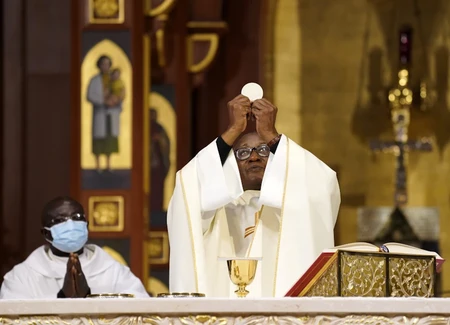
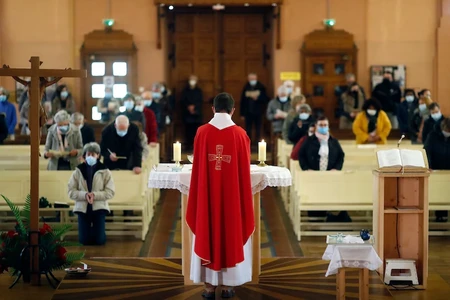
The celebration of Mass is really important, to the point that skipping Mass without a good reason is considered sinful!
Catholic worship style is not unified, since there are 24 rites (liturgies (ways of worship)). The most common and well-known one is the Roman Rite, followed by the Byzantine one. However, all rites focus the sacraments and rituals of the Church.
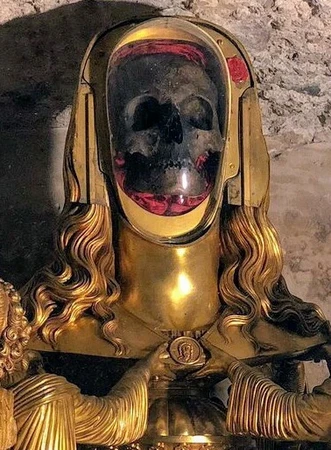
Something interesting about their liturgy are relics.
Relics are stuff like parts of the Saints' bodies, their belongings, or important artifacts to the faith. An example is the tomb of Saint James the Apostle (the writer of James, according to Jerome), which is in the city of Santiago de Compostela; many people peregrinate there to seek intercession and miracles.
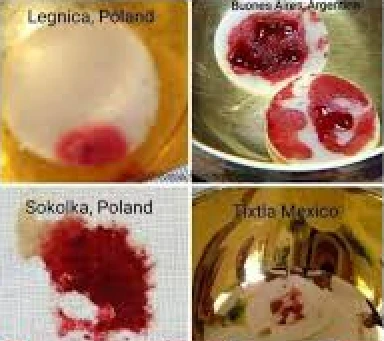
Another thing that people peregrinate to see are Eucharistic Miracles, where it's believed that the bread and wine sensory qualities are also annihilated. There are several well documented cases, and a famous one occurred in Buenos Aires, Argentina!
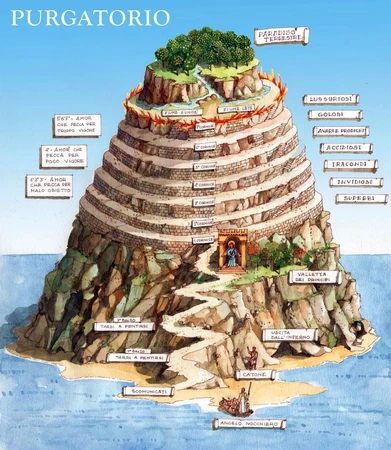
What's Purgatory?
Purgatory is the place where saved souls that sinned badly will go. In Purgatory, according to Catholics, the fire will purge the remaining sin and make the souls worthy of being in Heaven.
"Nothing impure will ever enter it, nor will anyone who does what is shameful or deceitful, but only those whose names are written in the Lamb’s book of life" (Apocalypse 21:27)
Catholics also believe that prayers for the dead can help them burn their sin faster, so they pray for them, as seen in 2 Maccabees 12:46.
"Thus he made atonement for the dead that they might be absolved from their sin."
Catholics have 73 books in their Bibles, and there's a group of them called Deuterocanonicals:
Tobit, Judith, 1st and 2nd Maccabees, Wisdom, Baruch and Sirach.
Those books aren't universally used, and that's why the denominations that 'lack' these books often tag them as 'apocryphal' or 'demonic'.
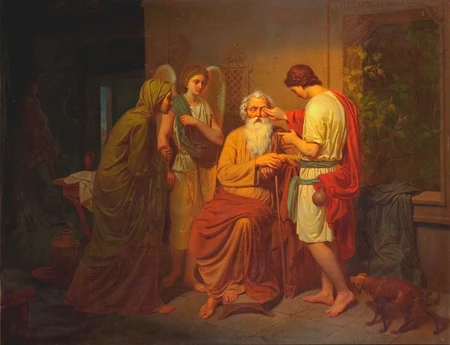
Some evangelical or Protestant groups accuse Catholicism of having a work-based salvation, which is obviously not what Catholics believe: Catholicism condemns the idea of Sola Fide as shown in the ecumenical Council of Trent; but this does not mean that salvation is faith + works + Mary.
Session VI: Decree on Justification
Canon 9:
“If anyone says that the sinner is justified by faith alone, meaning that nothing else is required to cooperate in order to obtain the grace of justification, and that it is in no way necessary for him to be prepared and disposed by the movement of his own will: let him be anathema.”
Canon 11:
“If anyone says that men are justified either by the sole imputation of the justice of Christ, or by the sole remission of sins, to the exclusion of the grace and charity which is poured forth in their hearts by the Holy Spirit and remains in them; or also that the grace by which we are justified is only the favor of God: let him be anathema.”Canon 24:
“If anyone says that the justice received is not preserved and also not increased before God through good works, but that those works are merely the fruits and signs of justification obtained, and not the cause of its increase: let him be anathema.”
Minor notes
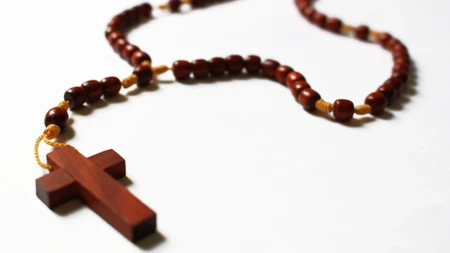
•They use rosaries during prayers to track of prayers done, and meditate on the Gospel.
•Vatican.va is the official website of Catholicism!
•The Pope can make an infallible statement that cannot be changed. It doesn't mean the Pope can 'Guys, Sporcle is much better', but make statements about faith and morals permanently official. Also, it's only been used twice.
•Catholics fast of meat during the Fridays of Lent.
•Catholics think that you can lose your salvation if you sin mortally (Really messed up sin, knowing you're sinning badly, and making it without external pressure). You can burn those sins through reconciliation though.
•They accept all 21 universal ecumenical councils. From Nicaea I to Vatican II.
•Catholics think the Church is the ultimate authority Ex Cathedra, then Sacred Tradition is equally authoritative alongside Scripture, as both come from the same source: Divine Revelation.
•They usually believe that we have true free will, yet there's some division: whether if God’s plans cooperate with our choices for the greater good (Molinism), or they fully respects our freedom (Arminianism).
•The most well-known Catholic in JetPunk is Cathlete.
Lutheranism
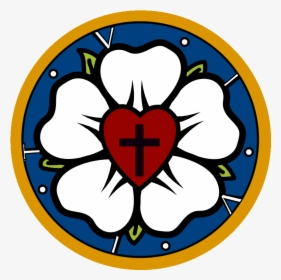
Lutheranism is not heretical, and if you need clarification: IS MEANS IS
Foundation of the Lutheran Communion
The name of the Lutheran Churches often includes the word 'Evangelical', since it reflects their focus on the Gospel. Their roots are traced to October 31, 1517, when Martin Luther nailed his 95 Theses to the door of a church in Wittenberg, Germany.
But, who was Luther? Martin Luther was a catholic priest who was tired of indulgences. An indulgence is you gave money to the pope and he reduced your time in Purgatory!
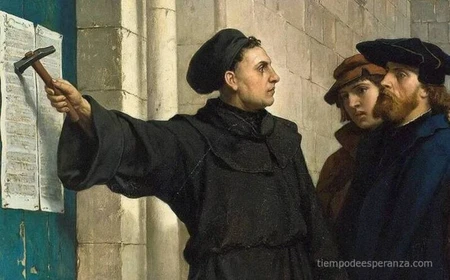
Thesis 82: "For example, why doesn't the pope empty the Purgatory caused by the most holy charity and the mere necessity of the souls, which would be the fairest of all reasons if he redeemed an infinite number of souls out the miserable money for the construction of the Basilica, which is an completely insignificant issue?
ㅤㅤㅤㅤ
ㅤㅤㅤㅤ
Lutherans believe that the Church can be wrong but never fall into heresy. That's why this is a reformation, not a restoration.
The core of Luther's reforms was the idea of Sola Scriptura, where the Bible is the only infallible authority. This doesn't mean the Church or Tradition doesn't matter, but that they can fall in error, and then that's where the Bible must be used to correct them. He used certain passages to support these claims:
ㅤㅤㅤㅤ
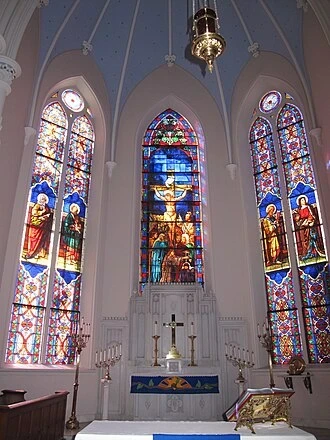
"All Scripture is breathed out by God and profitable for teaching, for reproof, for correction, and for training in righteousness, that the man of God may be complete, equipped for every good work."
(2 Timothy 3:16-17)
"Manasseh also sacrificed his own son in the fire. He practiced sorcery and divination, and he consulted with mediums and psychics. He did much that was evil in the Lord’s sight, arousing his anger."
(2 Kings 21:6)
Lutherans also think that salvation comes through faith alone, is gifted by grace alone, given to Christ alone, and is all for the Glory of God alone.
(Sola Fide - Sola Gratia - Solus Christus - Soli Deo Gloria)
"For by grace you have been saved through faith. And this is not your own doing; it is the gift of God, not a result of works, so that no one may boast."
(Ephesians 2:8-9)
Luther intended to reform the Catholic Church, yet the harshness with which Roman authorities responded was the reason the Reformation ended in a involuntary schism.
Doctrines, practices, and beliefs.
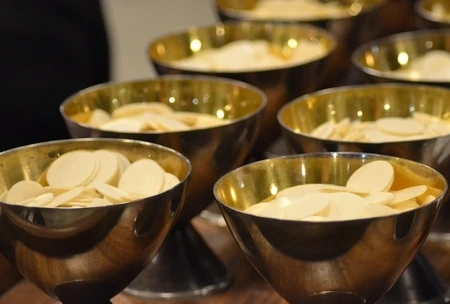
The eucharist in Lutheranism is really special, since they think Jesus Christ is in, within, and under both bread and wine: the bread and wine won't stop being bread and wine, yet Christ is truly and substantially present in them.
"He took bread, gave thanks and broke it, and gave it to them, saying, 'This is my body given to you; do this in remembrance of me'
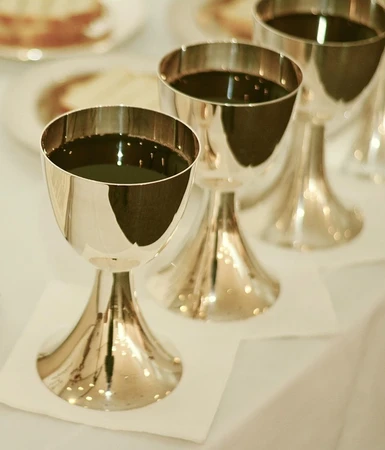
20 In the same way, after the supper he took the cup, saying, “This cup is the new covenant in my blood, which is poured out for you.' " (Luke 22:19)
So when Jesus said 'this IS my body', He meant it!
They also believe this is one of the two sacraments. Where are the other five? Welp, they define sacrament as something necessary for salvation, and explicitly commanded by Christ.
Lutherans baptize babies, since they want them full of God's grace from day 1.
Luther himself said, "The devil doesn't want us to baptise our babies."
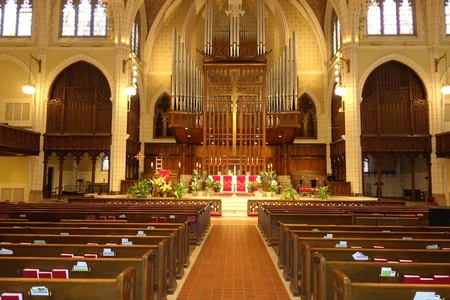
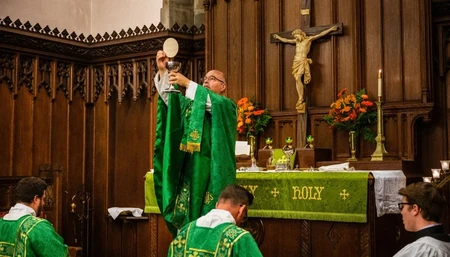
Then, if Lutherans are so reformed, how do they do liturgy? Kinda exactly as Catholics, look at the image, it's so scary.
When the reformation ended in a schism, Luther decided to preserve the Roman liturgy, since he never saw it as a problem, and kinda by tradition.
Fun Fact: they were always done in local languages and with background music!
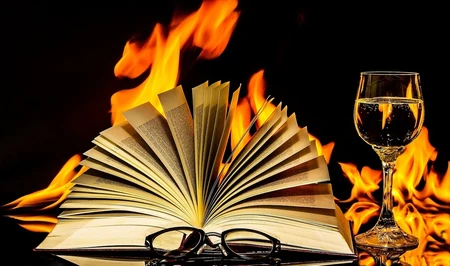
Lutherans were the ones who stopped treating the Deuterocanon as canonical and started to include it just as an appendix.
This wasn't merely just 'cause they didn't support Luther's theology (maybe), but weren't considered since they aren't as quoted as other books.
Lutherans, along with the other protestants, believe that purgatory is an insult to the Cross. Why? For Lutherans, we are justified and declared non-guilty of sin not due to our works, but due to the sacrifice made on the Cross.
To think that we need to suffer a little more to totally remove sin is an addition, making Christ's death not sufficient; when He said "It is finished", He meant it!
Also, Purgatory is a later development not founded in Scripture, that can only be made making conjetures with 2 Macabees 12:39–46 (a deuterocanonical) and 1 Corinthians 3:10–15.
Minor notes
•They don't venerate either icons or saints, and don't canonize anybody in particular. Lutherans believe that all believers are saints.
•Some Lutherans believe in single predestination: If you believe in God, he arranged it before you were born, but if you don't believe it's because you did it with your free will. (How does that work?)
•They accept the first 6 ecumenical councils, so from Nicaea I to Constantinople III.
•Lutherans do not think works are a part of faith, but the inseparable result and great signs of having faith. So faith without works is dead! (YES GUYS, WE'VE READ JAMES 2)
•They divide the Bible into two parts: Law and Gospel. The Law says you're bad and deserve to go to eternal torment, but the Gospel says that it doesn't matter, since Jesus died for you.
•Confessional Lutherans practice confession as a minor sacrament of the church, alongside anointing of the sick, holy orders, marriage, and confirmation.
•The most well-known Lutheran JetPunker is (insert here).
Eastern Orthodoxy
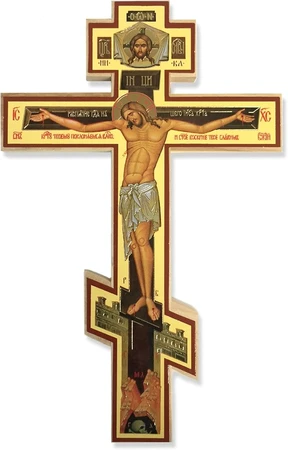
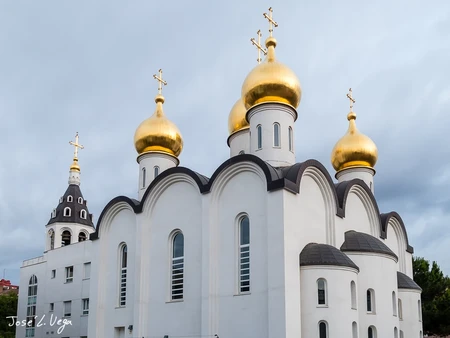
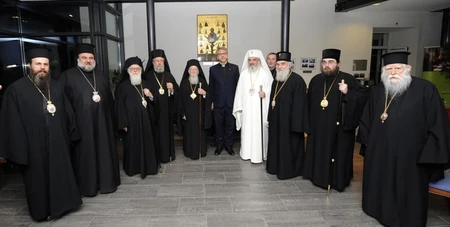
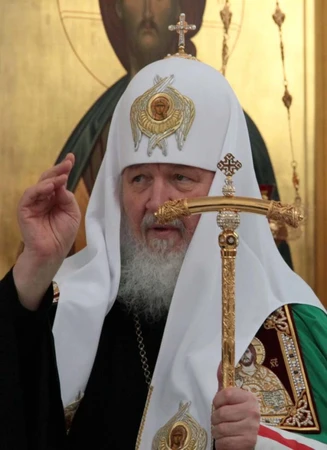
Foundations of the Eastern Orthodox Church
ㅤ
ㅤ
ㅤ
ㅤ
ㅤ
ㅤ
ㅤ
ㅤ
The Eastern Orthodox church has roots in 33 A.D., the same scenario as Catholics, but a different approximation:
+They believe that Jesus didn't just give Peter the keys of Heaven, but to all the apostles and their successors, yet Peter was 'first among equals', not the boss of them all. So Orthodoxy says the Pope should stop deviating doctrinally.
Also, they are well-known for their tradition:
+In Orthodoxy, Holy Tradition is the highest authority of all, and Holy Scriptures are part of Tradition. The Church and its authority are highly important, yet where Tradition is manifested; so the Church can't possibly contradict Tradition.
The Orthodox don't need the Bible's emotional support to do their practices, but these ones may be used by Orthodox apologists:
"So then, brothers and sisters, stand firm and hold fast to the traditions that you were taught by us, either by our spoken word or by our letter." (2 Thessalonians 2:15)
"Through these He [God] has given us his very great and precious promises, so that through them you may participate in the divine nature, having escaped the corruption in the world caused by evil desires" (2 Peter 1:4)
Doctrines, practices, and beliefs.
Orthodox don't call the 7 sacraments 'sacraments', but the 7 mysteries!
Those are the same as Catholic ones, yet Confirmation is rather called ''Chrismation".
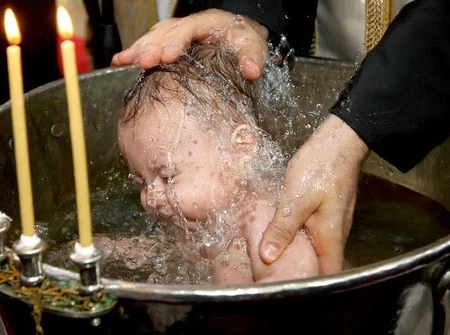
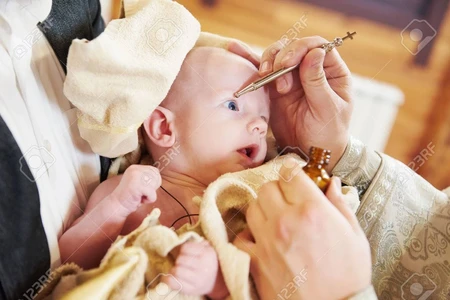
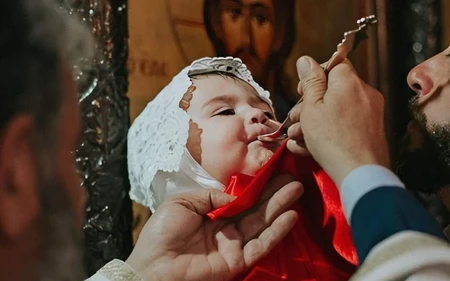
How are the initiation sacraments mysteries done?
Orthodox priests baptize the babies, get them immediately chrismated, and then they're fed with bread and wine on the same day.
Regarding Baptism, they baptize babies since Orthodox Christians think they need God's grace immediately, so they can erase the mark of Original Sin. Also, they triple-immerse the baptized ones (once by each person of God)
Regarding Eucharist, they believe in Transubstantiation, yet do not call it like that, since they're not fans of the ultra intellectual approach of Catholicism.
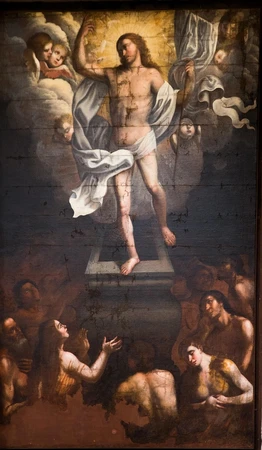
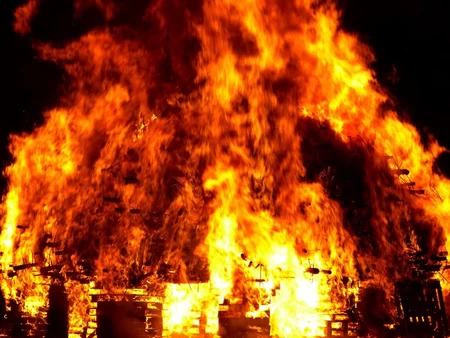
The Orthodox don't believe that Hell and Heaven are physical places, but different perspectives from where we perceive God's glory!
The salvation science (soteriology) of theirs says that Salvation is a process of cooperation with God:
It starts with the baptism, continues within the life of the believer, and ends with the final glorification.
If the person denies this relation with God, they will be apart from God for eternity. However, if the person cooperates with God, this person will become one with God and with His Christ: this is called Theosis.
Theosis doesn't mean to become a God, but to be a participant of God:
+The Orthodox think that there is an essence/energies distinction, which means that God and the divine nature are different than God's love, beauty, ethics, power, and holiness.
ㅤ
Only the Father, the Son, and the Holy Spirit can participate in the divine nature, but all humans who have become pure during the process of sanctification (that lasts all life) and, upon glorification, can participate and become united with God’s uncreated qualities (not with God Himself).
ㅤ
They don't believe in 'purgatory' as a strict place, since Purgatory isn't part of their tradition.
There is some discussion on aerial toll houses, a pretty debated doctrine that states that the impure souls will be confined in toll houses where demons will accuse those sinners. (Toll houses aren't dogma nor a universal belief)
Orthodox also pray for the dead, as well as Catholics!
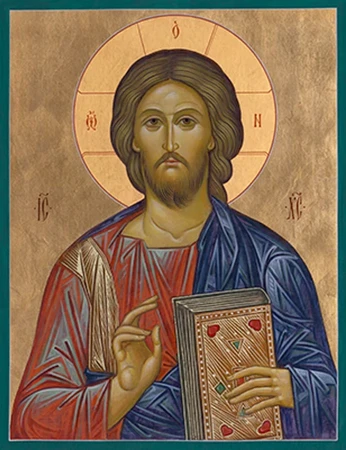
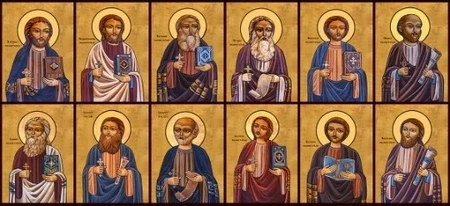
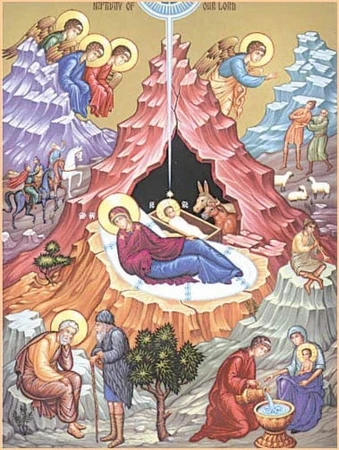
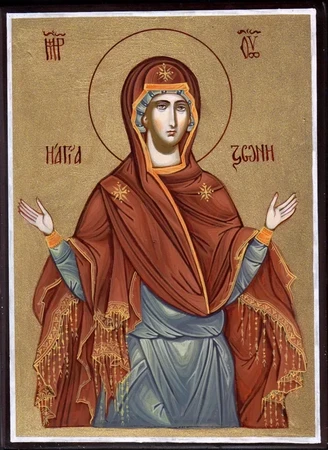
Yes, they like icons.
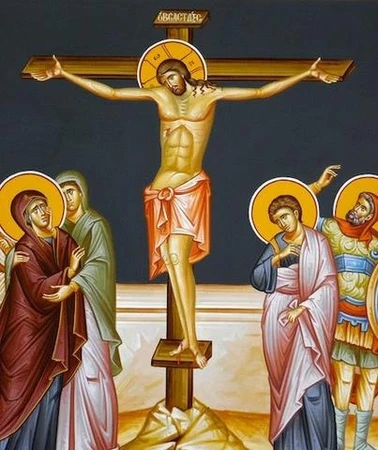
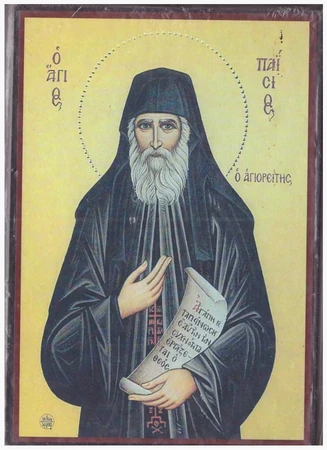
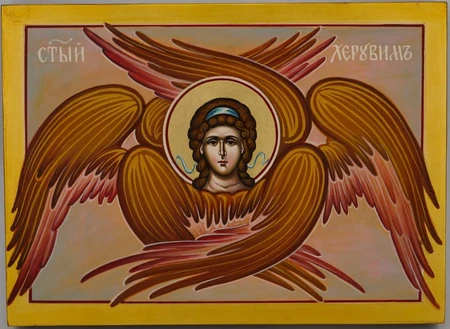
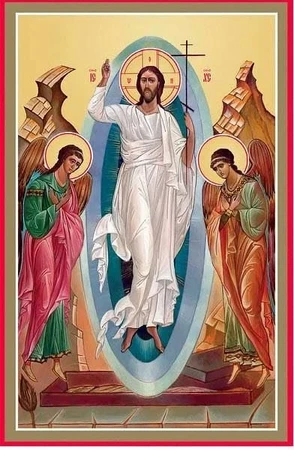
But, how much do they love icons? Well, to discover that, read Nicaea II, the ecumenical council that was held after the Iconoclast controversy.
(Click here to jump to this part if you want; it's pretty boring.)
Nicaea II
Extracts from the Acts. Session I.
(Labbe and Cossart, Concilia, Tom. VII., col. 53.)
[Certain bishops who had been led astray by the Iconoclasts came, asking to be received back. The first of these was Basil of Ancyra.]
The bishop Basil of Ancyra read as follows from a book; Inasmuch as ecclesiastical legislation has canonically been handed down from past time, even from the beginning from the holy Apostles, and from their successors, who were our holy fathersand teachers, and also from the six holy and ecumenical synods, and from the local synods which were gathered in the interests of orthodoxy, that those returning from any heresy whatever to the orthodox faith and to the tradition of the Catholic Church, might deny their own heresy, and confess the orthodox faith,
Wherefore I, Basil, bishop of the city of Ancyra, proposing to be united to the Catholic Church, and to Hadrian the most holy Pope of Old Rome, and to Tarasius the most blessed Patriarch, and to the most holy apostolic sees, to wit, Alexandria, Antioch, and the Holy City, as well as to all orthodox high-priests and priests, make this written confession of my faith, and I offer it to you as to those who have received power by apostolic authority. And in this also I beg pardon from your divinely gathered holiness for my tardiness in this matter. For it was not right that I should have fallen behind in the confession of orthodoxy, but it arose from my entire lack of knowledge, and slothful and negligent mind in the matter. Wherefore the rather Iask your blessedness to grant me indulgence in God's sight.
I believe, therefore, and make my confession in one God, the Father Almighty, and in one Lord Jesus Christ, his only begotten Son, and in the Holy Ghost, the Lord and Giver of Life. The Trinity, one in essence and one in majesty, must be worshipped and glorified in one godhead, power, and authority. I confess all things pertaining to the incarnation of one of the Holy Trinity, our Lord and God, Jesus Christ, as the Saints and the six Ecumenical Synods have handed down. And I reject and anathematize every heretical babbling, as they also have rejected them. I ask for the intercessions (presbeiaj) of our spotless Lady the Holy Mother of God, and those of the holy and heavenly powers, and those of all the Saints.1
And receiving their holy and honourable reliques with all honour (timhj), I salute and venerate these with honour (timhtikwj proskunew), hoping to have a share in their heliness. Likewise also the venerable images (eikonaj) of the incarnation of our Lord Jesus Christ, in the humanity he assumed for our salvation; and of our spotless Lady, the holy Mother of God; and of the angels like unto God; and of the holy Apostles, Prophets, Martyrs, and of all the Saints-the sacred images of all these, I salute and venerate -rejecting and anathematizing with my whole soul and mind the synod which was gathered together out of stubbornness and madness, and which styled itself the Seventh Synod, but which by those who think accurately was called lawfully and canonically a pseudo-synod, as being contrary to all truth and piety, arm audaciously and temerariously against the divinely handed down ecclesiastical legislation, yea, even impiously baring yelped at and scoffed at the holy and venerable images, and having ordered these to be taken away out of the holy churches of God; over which assembly presided Theodosius with time pseudonym of Ephesius, Sisinnius of Perga, with the surname Pastillas, Basilius of Pisidia, falsely called "tricaccabus;" with whom the wretched Constantine, the then Patriarch, was led astray.
[Continued]
These things thus I confess and to these I assent, and therefore in simplicity of heart and in uprightness of mind, in the presence of God, I have made the subjoined anathematisms.
Anathema to the calumniators of the Christians, that is to the image breakers.
Anathema to those who apply the words of Holy Scripture which were spoken against idols, to the venerable images.
Anathema to those who do not salute the holy and venerable images.
Anathema to those who say that Christians have recourse to the images as to gods.
Anathema to those who call the sacred images idols.
Anathema to those who knowingly communicate with those who revile and dishonour the venerable images.
Anathema to those who say that another than Christ our Lord hath delivered us from idols.
Anathema to those who spurn the teachings of the holy Fathers and the tradition of the Catholic Church, taking as a pretext and making their own the arguments of Arius, Nestorius, Eutyches, and Dioscorus, that unless we were evidently taught by the Old and New Testaments, we should not follow the teachings of the holy Fathers and of the holy Ecumenical Synods, and the tradition of the Catholic Church.
Anathema to those who dare to say that the Catholic Church hath at any time sanctioned idols.
Anathema to those who say that the making of images is a diabolical invention and not a tradition of our holy Fathers.
This is my confession [of faith] and to these propositions I give my assent. And I pronounce this with my whole heart, and soul, and mind.
And if at any time by the fraud of the devil (which may God forbid!) I voluntarily or involuntarily shall be opposed to what I have now professed, may I be anathema from the Father, the Son and the Holy Ghost, and from the Catholic Church and every hierarchical order a stranger.
I will keep myself from every acceptance of a bribe and from filthy lucre in accordance with the divine canons of the holy Apostles and of the approved Fathers.
Tarasius, the most holy Patriarch, said: This whole sacred gathering yields glory and thanks to God for this confession of yours, which you have made to the Catholic Church.
The Holy Synod said: Glory to God which maketh one that which was severed.
Initial summary
To summarize, we declare that we uphold, free from any innovation, all the ecclesiastical traditions, whether written or unwritten, that have been entrusted to us. One of these is the production of representational art; this is fully in harmony with the history of the proclamation of the Gospel, since it confirms that the incarnation of the Word of God was real and not merely imaginary, and it brings us a similar benefit. For things that mutually illustrate one another undoubtedly convey the message of each other.
Given this state of affairs, and proceeding as along the royal road, following the divinely inspired teaching of our holy Fathers and the tradition of the Catholic Church—for we acknowledge that this tradition comes from the Holy Spirit who dwells within her—we decree with all precision and care that, just as the figure of the honorable and life-giving Cross, so also the venerable and holy images, whether painted, made of mosaic, or of any other suitable material, are to be set forth in the holy churches of God, on sacred vessels and vestments, on walls and panels, in houses and along public roads. These are the images of our Lord, God, and Savior Jesus Christ; of our immaculate Lady, the holy Mother of God; of the venerable angels; and of all saints and holy men.
The more frequently these are seen through representational art, the more those who behold them are drawn to remember and long for the prototypes, and to render to these images the tribute of greeting and respectful veneration. This is not, indeed, the true worship (latria) according to our faith, which is due only to the divine nature, but it is akin to that which is offered to the figure of the honorable and life-giving Cross, and to the holy books of the Gospels, and to other sacred objects. Moreover, people are led to honor these images with offerings of incense and lights, as was piously established by ancient custom. For the honor paid to an image passes through it to the prototype, and the one who venerates the image venerates the person represented in it.
[Continued]
Thus the teaching of our holy Fathers is strengthened—that is, the tradition of the Catholic [universal] Church, which has received the Gospel from one end of the earth to the other. Thus we truly follow Paul, who spoke in Christ, and the whole divine apostolic company and the holiness of the Fathers, holding fast to the traditions that we have received. Thus we sing with the prophets hymns of victory to the Church: “Rejoice greatly, daughter of Zion; proclaim, daughter of Jerusalem; delight in your happiness and joy with a full heart. The Lord has taken away the injustices of your enemies; you have been redeemed from the hand of your adversaries. The Lord the King is in your midst; you shall never again see evil, and peace shall be upon you forever.“
Therefore, all those who dare to think or teach otherwise, or who follow the accursed heretics by rejecting the ecclesiastical traditions, or who introduce innovations, or who despise anything entrusted to the Church—whether the Gospel, the figure of the Cross, any form of representational art, or any sacred relic of a martyr—or who devise wicked and perverse prejudices against any of the legitimate traditions of the Catholic Church, or who secularize sacred objects and holy monasteries—we decree that they are to be suspended if they are bishops or clerics, and excommunicated if they are monks or laypeople.
If anyone does not confess that Christ our God can be represented in His humanity, let him be anathema.
If anyone does not accept the representation in art of the evangelical scenes, let him be anathema.
If anyone does not greet such representations as symbols of the Lord and His saints, let him be anathema.
If anyone rejects any written or unwritten tradition of the Church, let him be anathema.
So uh yeah, if you are friends with an iconoclast or aniconist, Nicaea II says you're going to Hell.
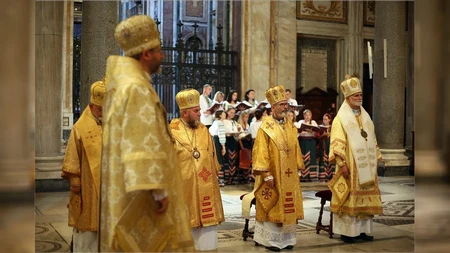
How's the Orthodox liturgy?
Mainly, it's focused on mystery, since God and the divine are mysteries to us humans; they do not seek to define everything about them.
The liturgy is a part of Tradition itself, along with the Scriptures, the Church Fathers, the Councils, and the Saints' lives!
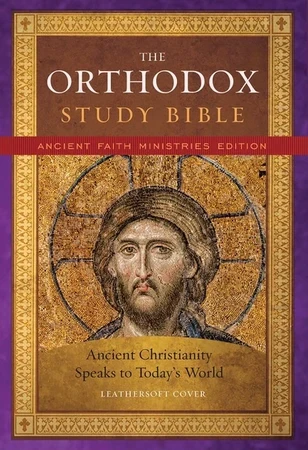
Orthodox use the Deuterocanon as fully canonical, but they also recognize the Letter of Jeremiah, 3 Maccabees, 4 Maccabees, and Manasseh Prayer as part of the canon of Scripture.
Orthodox usually fast. However, how strictly?
ㅤ
They abstain from eating on any Friday or Wednesday (but on some special days), these meals:
•Meat
•Dairy products
•Eggs
•Olive Oil
•Wine
•Fish (not always forbidden)
•Seafood (rarely forbidden)
•Boiling water (yes, really)
Also, they can eat none of these foods during these days:
• Great Lent (Mondays to Fridays, no breaks)
• The last 10 days before Christmas (fish allowed)
• The Apostles' Fast (Monday after Pentecost - June 29th)
• The Dormition Fast (15 days, no break)
• Holy Week (No break)• January 5th (just a day, very strict)
ㅤㅤㅤㅤ
ㅤ
ㅤ ㅤFather
ㅤㅤ ↓ㅤ ↘
Holy Spirit ← Son
Filioque included
We all know the Trinity: Father, Son, and Holy Spirit. The Son is eternally begotten from the Father, and the Holy Spirit eternally proceeds from the Father.
Yet, Catholics (and protestants) believe that the Son also generates the Holy Spirit, which isn't accepted by Orthodoxy mainly since it's not in their TRADITION.
However, the Pope (in an overreach of authority) tried to modify the Nicene Creed - the document which says what Christianity is and believes - adding the word 'filioque'.
The word filioque means 'and by the Son' and was added where it stated that the Spirit proceeded from the Father.
This change wasn't accepted by any, ANY, of the patriarchs; that's how the Great Schism of the East happened, and Catholicism was divorced from Eastern Orthodoxy (or viceversa, idk).
ㅤㅤFather
ㅤㅤ↓ㅤㅤ ↘
Holy SpiritㅤSon
No filioque
Minor notes
•Since the Pope led to a schism, the current first among equals is the Patriarch of Constantinople.
•They follow the first 7 (seven) ecumenical councils, from Nicaea I to Nicaea II.
•The liturgical language varies according to the patriarch who governs the zone.
•They love icons so much that Orthodox kiss them :3
•They use yeast for the Eucharistic bread, since it symbolizes that Christ is risen.
•Since there are almost no chairs in their churches, they do mass standing.
•Tensions between the Eastern and Western Churches had been escalating for centuries. Although the Filioque controversy is said to be the main cause of the schism, the final rupture was triggered by the Patriarch of Constantinople, who referred to the Western use of unleavened bread by the derogatory "Jewish nonsense" - not a view endorsed here - and attempted to close Latin-rite churches in Constantinople
•They don't eat or drink anything (not even water) the night before Communion, yep.
•Their theology is more focused on what God is not. (apophatic)
•They often use chants in old ecclesiastic Slavic, and they don't understand it!
•They see sin not as a moral issue or a legal violation, but as a spiritual illness.
•The most well-known Orthodox JetPunker is MasterRocket, ig.
Calvinism - Reformed Protestantism
I had no choice but to write about Calvinism as soon as possible, being honest.
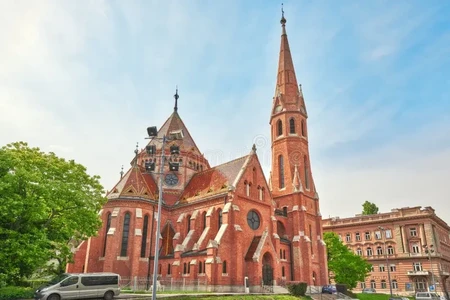
Foundations of the Calvinist Church
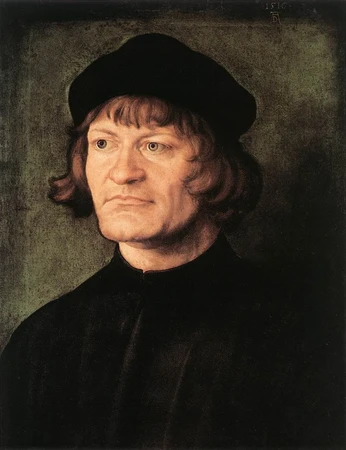
The Calvinist Church wasn't always called 'Calvinist', because Calvin didn't found it. The roots of this church date back to the Lent of 1522. Ulrich Zwingli - Swiss Catholic priest - said in Zurich that, since fasting during Lent it's not Biblical, it was therefore optative.
His ideas about Sola Scriptura and Sola Fide were developed independently from Luther, but he was more radical, modifying liturgy, supporting iconoclasm, and rejecting anything not explicitly found in the Bible; while still recognizing the authority of the church and tradition.
Luther tried to unify his reform with Zwingli's in the Marburg Colloquy, yet didn't reach to an agreement due to the Eucharist, since Ulrich thought it was just a symbol that reminded us of Christ. Luther was dogmatic over his real presence view, so the unification attempt failed :(
"The Spirit gives life; the flesh counts for nothing."
(John 6:63)
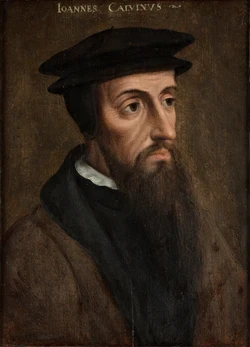
After Zwingli died in the Battle of Kappel (1531), Calvin was the one who took the reins of the Reformed Church.
He tried to define theology and do some 'medieval scholasticism'.
His most famous contribution to the Reformed Church was the idea of Predestination, where God already decided whether you're saved or not. This idea wasn't invented by Calvin, since important people like St Augustine or Thomas Aquinas held it.
"even as he chose us in him before the foundation of the world, that we should be holy and blameless before him. In love he predestined us for adoption to himself as sons through Jesus Christ, according to the purpose of his will."
(Ephesians 1:4-5) ESV
ㅤ
ㅤ
"For those whom he foreknew he also predestined to be conformed to the image of his Son, in order that he might be the firstborn among many brothers. And those whom he predestined he also called, and those whom he called he also justified, and those whom he justified he also glorified"
(Romans 8:29-30) ESV
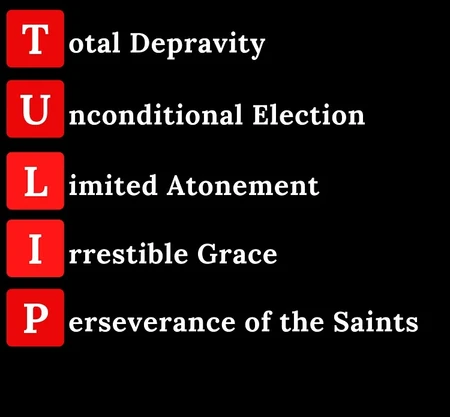
The Reformed theology is often summarized in the famous acronym TULIP, which stands for:
•Total depravity: The human is not capable to free from sin by his own ways, since God is needed.
•Unconditional Election: Just predestination
•Limited atonement: Christ' sacrifice didn't apply to everyone, just to the predestined ones.
•Irresistible grace: God's grace can't be denied; a person will collaborate with God whenever He calls them.
•Perseverance of the saints: A person cannot ultimately lose salvation, but those who appear to be saved may reject grace later, proving they were never saved. Not equal to OSAS btw.
Doctrines, practices, and beliefs.
So, does God actively condemn some to eternal separation from Him? Not that easy, that's called hyper-calvinism, and it's a fringe minority.
The two common postures here are infralapsarianism and supralapsarianism:
Infralapsarianism:
-God let the fall happen, then predestined, and chose who would be saved; so God just passes over the damned and only picks the saved.
This is often seen as 'nice Calvinism'
Supralapsarianism:
-God predestined, let the fall happen, and saved the predestined; meaning the wicked are actively denied.
This is often seen as 'mean Calvinism'
ㅤ
Uh, isn't supralapsarianism and hypercalvinism the same?
Not quite, Hyper Calvinists don't think of preaching the gospel to anyone other than to the elect, since they think that's a waste of time (?)
Zwingli thought that the Eucharist was just a symbol and Luther thought that Jesus was truly present, differences that led the union with Luther didn't happen, but those 2 views aren't incompatible.
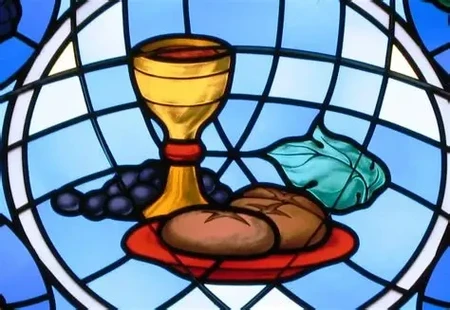
Peter Martyr Vermigli said that Zwingli was right that the Eucharist is technically a symbol, but he agreed with Luther that if you had faith, you would receive the body and blood of Jesus through the Holy Spirit.
Later, Calvin agreed with Vermigli and made the spiritual presence the official position of the Reformed tradition; he tried to see if Luther was interested in reconciling their reformations; yet Luther rejected again, because the damage had already been done.
ㅤ
ㅤ
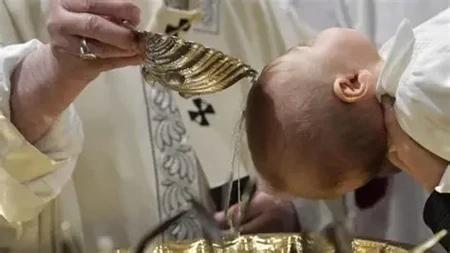
Surprise surprise: they baptize babies! Why? Since it is wanted for the baby to be a citizen of the kingdom of God from day one.
However, the Calvinist Baptists baptize believers who made conscious declarations of faith, yet they're Calvinists pretty much in everything else.
They label their beliefs on baptism as 'Baptismal Efficacy', a lower view than the Catholic and Lutheran ones that says baptism grants both grace and salvation in the moment you start having faith, else neither will ever apply.
"There are three that bear witness in Earth: The water, the blood, and the Spirit; and these three agree" 1 John 5:7-8a
Calvinists are one of the most divided communities of all Christianity: there are Presbyterians, Congregationalists, Huguenots, Puritans, Calvinist Baptists, Amyraldianism, Dutch Reformed, Swiss Reformed...
They are divided from the classic Calvinism since they don't like some letters of TULIP, have different church administrations, or differ in other doctrines (such as baptism or pacifism)
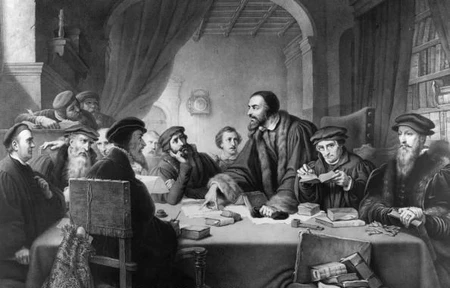
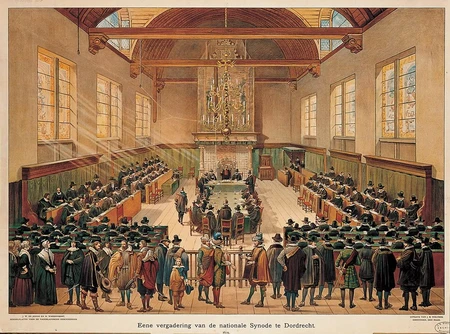
Calvinist Liturgy! How is it?
It is simple and focused on sermons, which may be influenced by the Zwinglian iconoclasm; yet it's well structured and majestic :)
Also, they use to sing Psalms a cappella in their liturgy, with simple background music.
The two biggest Calvinist denominations are the Continental Reformed (Dutch, Swiss, and Huguenots) and the Presbyterians.
The biggest distinction of Presbyterians is having elders instead of bishops or pastors; a big one of theirs. They justify it by insisting that in the early church, the offices of "Bishop" and "Pastor" were identical, and were separated by human custom alone.
They adhere to the Confession of Westminster, written in Scotland by John Knox - disciple of Calvin.
The Dutch, Swiss, and the Huguenots often are more congregational than other Reformed traditions; and really strict regarding their worship, because they follow a stricter version of the Regulative Worship Principle.
They adhere to the Three Forms of Unity or the Helvetic Confessions, and they use to be Kuyperian.
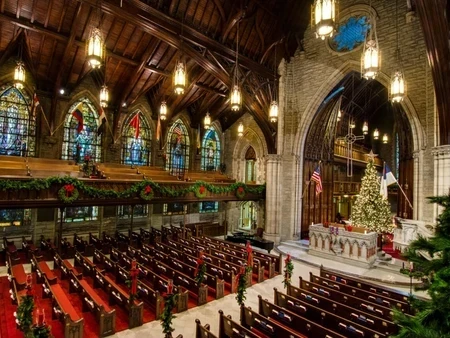
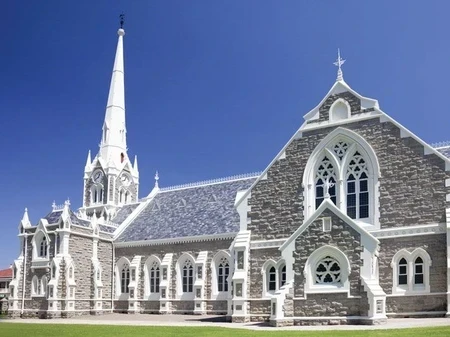
Zwingli used to destroy the icons of Christ and of the Father, but nowadays they are just really uncommon in Reformed Churches.
Why don't they use Icons or depictions of God? Since they conceive that depictions of God and Jesus are sinful according to the second commandment, since trying to represent God will lead to an imperfect representation, and therefore an idol:
"Thou shalt not make for yourself a carved image, or any likeness of anything that is in heaven above, or that is in the earth beneath, or that is in the water under the earth. You shall not bow down to them or serve them, for I the LORD your God am a jealous God..." Exodus 20 - Deuteronomy 5
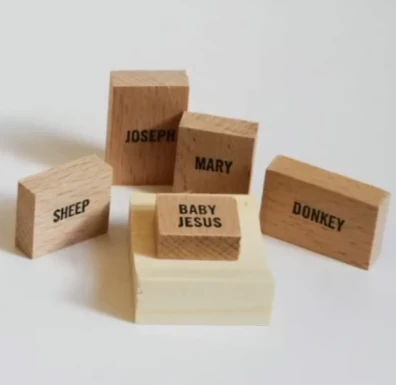
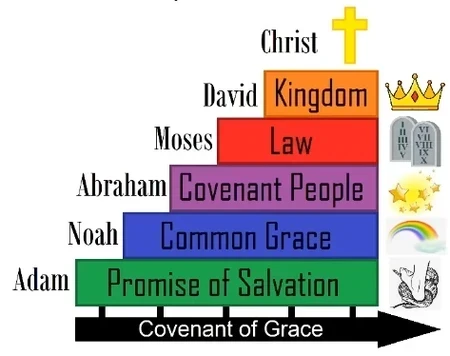
The systematics, or the general framework used to study theology, employed by Calvinists is called 'Covenant Theology'.
Covenant Theology states that all the promises - or covenants - God made to Noah, Abraham, Moses, David, and the Grace (done by Jesus) are the same as the promise He made to Adam, where the offspring of Eve would crush the snake's head.
This explains many Presbyterian views:
+They baptize babies since the covenant of Abraham included babies through circumcision, so circumcision and baptism are the same sacrament, but with a different outward sign.
+They believe that the Sabbath must still be kept - fourth commandment of the Law, in Moses' covenant - since that law is still applying to us, and we know that the Sabbath is Sunday since we all agree that Sabbath = Day of the Lord, and that Day of the Lord = Sunday (since Jesus rose that day, and He's the Lord of the Saabath).
+They believe that the Church can err (Sola Scriptura) since the church during David's covenant erred pretty badly, e.g., making child sacrifice to golden idols. But they believe that separating from the church - even when it's committing the worst blasphemy possible - is sinful, since Elijah (the most important prophet of the Old Testament) never separated from it.
Minor notes
•They accept the first 6 (six) ecumenical councils.
•Amyraldianism (I've already named them) doesn't affirm Limited Atonement, that's why they're famously called 'Four-point Calvinism'.
•Their confessions (resumes of what they believe) explicitly say that Mary was always a virgin.
•The most well-known Calvinist in JetPunk is Eomer.
Anglicanism
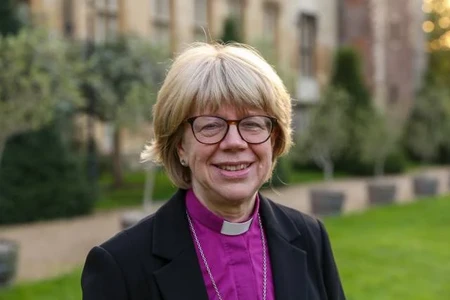
I can decide whether I hate them or love them; I think it's something in between...
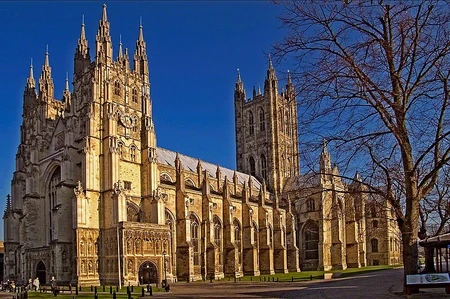
Foundations of the Anglican Communion
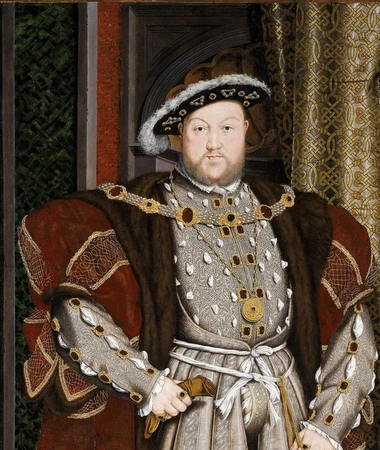
A common strawman against Anglicanism is that their church was started by Henry VIII when he wanted a divorce, and that's not true!
During the reformation, Henry wanted to maintain loyal to the Pope, yet broke ties with Rome in 1534 when his divorce wasn't granted, and made himself the Head of the Church. However, he stayed theologically Catholic, persecuted Protestants (killing William Tyndale), and wrote a defense against Luther's 95 theses.
The son of Henry and the new King, Edward VI, wanted to make England Protestant, so he introduced Protestant reforms, dismantled the remaining Catholic doctrine, and made the Church of England clearly Protestant
The next queen, Bloody Mary, wanted England to be Catholic, so she reinstated ties with Rome and persecuted Protestants, killing Thomas Cranmer.
...This is a mess, ain't it?
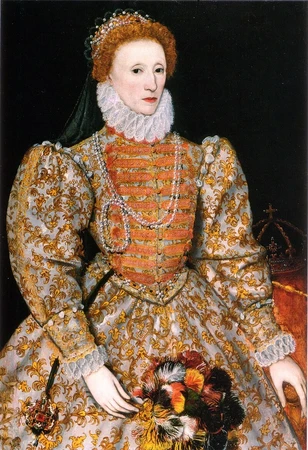
Finally, in 1559, Elizabeth I wanted to settle the religion of the state permanently, so she decided to reinstate the Supremacy Act (which says the monarch is the supreme governor of the Church), while at the same time imposing a new Book of Common Prayer as mandatory, where she mixed liturgical Catholic elements with Protestant doctrines.
This is the main pillar on Anglicanism: to be eclectic - use the best elements of multiple denominations - while having a great range of beliefs. Some Anglicans are Anglo-Catholic, more are quite Reformed; some hold a Reformed spiritual presence, some even believe in Transubstantiation; some believe in four-point TULIP, and some believe in Arminianism (free will).
But, aren't these differences problematic? Not on their eyes! They think that as long as we agree on the essentials, we can have more liberty on the secondary dogmas.
ㅤ
"Therefore let us stop passing judgement on one another. Instead, make up your mind not to put any stumbling block or obstacle in the way of a brother or sister" (Romans 14:13)
ㅤ
Ok, the monarch was important in Anglicanism - until the figure of the Supreme Governor of the Church of England became symbolic. Sadly, there's nobody as important as the King here... oh, there's somebody!
The Archbishop of Canterbury was always the dogmatic, spiritual, and institutional leader of the Church of England; and yessir, we have bishops and apostolic succession! Maybe that's why Anglicanism is also called Episcopalians.
Note: The Archbishop of Canterbury isn't the pope, he's the first among equals along with all the bishops ;)
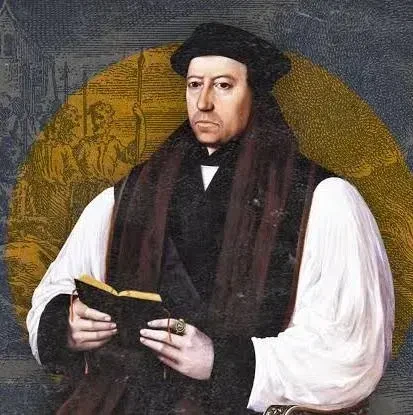
An example of how important the Archbishop of Canterbury is may be Thomas Cranmer, the theological head of the Church since the times of Henry VIII (until Bloody Mary got him burned at the stake...), who wrote the Book of Common Prayer and the 39 articles of Anglicanism, a nice confession of faith that's currently held as the constitution for Anglicanism.
Fun fact: his teacher was Vermigli, reason why he was an iconoclast and pro-predestination!
Doctrines, practices, and beliefs.
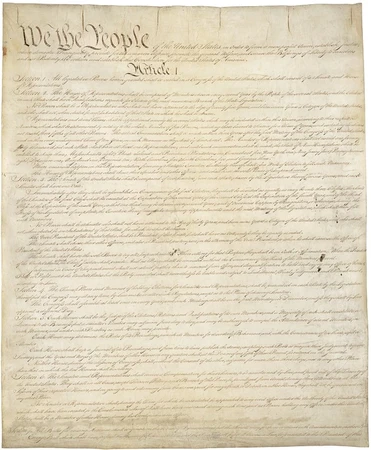
Well, the 39 Articles are held by Reformed Anglicans verbatim, but Anglo-Catholics just totally ignore them.
The articles say something like this:
•The trinitarian God, the Incarnation of the Son, the death and resurrection, and the ascension to Heaven of Jesus.
•Harrowing of hell (Jesus descended to Hell)
•The filioque.
•Sola Scriptura and the sufficiency of the Bible for salvation; and the canon of 66 books, with the Deuterocanon being useful yet not for building doctrines.
•Anathematization of whoever rejects the Apostles', Nicene, or Athanasius Creeds.
•The original sin concept, rejection of Pelagianism.
•Sola Fide, Sola Gratia, Soli Deo Gloria & Solus Christus
•Rejection of purgatory, relics, veneration, and indulgences
And more :)
I've named that Reformed Anglicans and Anglo-Catholics can take communion together. However, Anglicanism is really divided over theological liberalism, stuff like gay marriage or ordination of women.
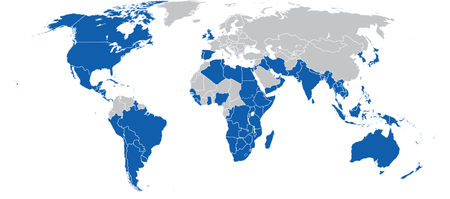
Below here you can (hopefully) see this map, which shows the 165 countries of the Anglican Communion.
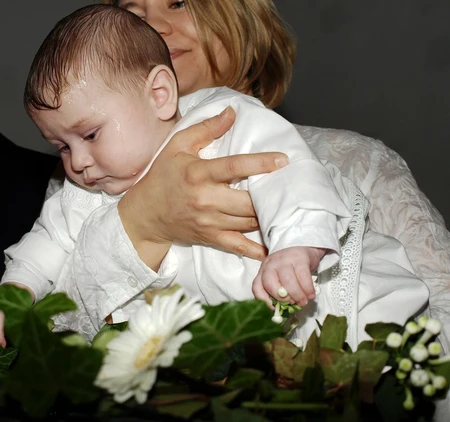
Baptism!
All anglicans baptise... babies :O
Why? I don't know, but I don't think they know either.
Commonly, Reformed Anglicans believe in Baptismal Efficacy, and Anglo-Catholics have more of a Catholic/Lutheran view.
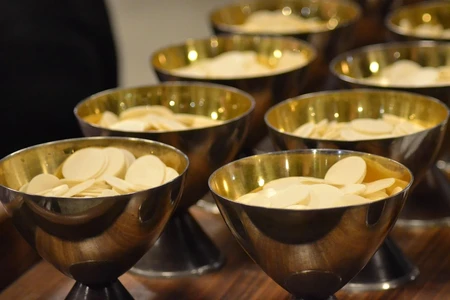
Regarding communion, the official position the 39 Articles take is the spiritual one, yet they don't deny nor anathematize that it might be a real Presence in/within/under the bread and wine.
What they don't accept is Transubstantiation, called by the articles 'an insult to Holy Writ' (Anglo-Catholics don't really care about the Article's emotional support :P )
Anglicans agree with most Solas, but not with Sola Scriptura D:
What they believe is Prima Scriptura, where Reason and Tradition are key when discerning what Scripture is really saying. This balance of Scripture, Tradition and Reason is the most common hermeneutic that Anglicans use, and their favorite way to interpret the Bible.
This doesn't mean they're not Protestant, since Protestantism is defined as any church that directly came from the Protestant Reformation (Calvinism, Lutheranism, Anglicanism, and maybe Methodism and Baptists)
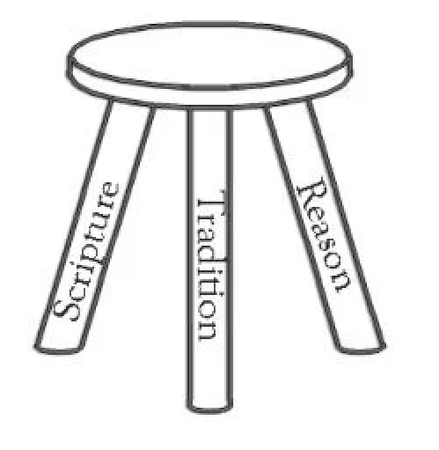
...I would talk more about Anglicanism, but it's a really wide denomination, so it's hard to find common points.
Minor Notes
•Anglo-Catholicism often uses incense and rosaries, but just as part of tradition.
•They're considered 'eclectic', meaning that they often take the best part of each denomination.
•Anglo-Catholics don't believe in Sola Fide
•Some Reformed Anglicans take the Eucharist/Lord's Supper/Whatever monthly :O
The most well-known Anglican JetPunker here is Disco Stu!
Finally, the great question...
So, which of these denominations am I?
Lots of love to Capybarra
Wait a sec
I'm none of them!! If you want to know which is my denomination, you'll have to wait to the second part of this blog!
Edit: when I started writing this blog, I was originally Baptist-Evangelical, but now I am theologically Anglican. oops!
Out of curiosity, why would an ecumenical
council be the standard rather than God’s Word- which is what the Bible says as well?
2 Timothy 3:16-17 (NKJV): "All Scripture is given by inspiration of God, and is profitable for doctrine, for reproof, for correction, for instruction in righteousness, that the man of God may be complete, thoroughly equipped for every good work".