Songkran - Thai New Year
First published: Tuesday April 15th, 2025
Report this blog
What is Songkran?
The word ‘songkran’ comes from the Sanskrit ‘sankrānti’, meaning ‘movement’ or ‘the passing of’.
In Thailand, the name refers to the traditional New Year. Traditional, meaning celebrated according to the Buddhist calendar. Not only there, however, as Songkran celebrations are also practised in Myanmar, Cambodia, southern China, Malaysia, Laos and Sri Lanka.
In 1940, the Siamese authorities fixed the day for the official celebration of the arrival of the new year as 1 January. The Songkran tradition, however, is still alive. The festival begins on 13 April, the day the Sun passes from the sign of Pisces to Aries, and lasts until 15 April, although in some parts of the country the celebration extends over several days.
Traditions and customs
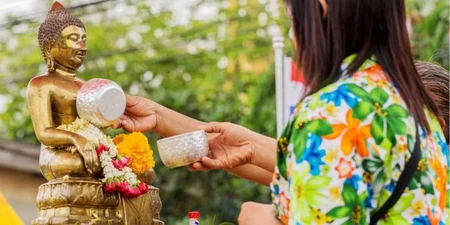
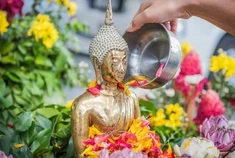
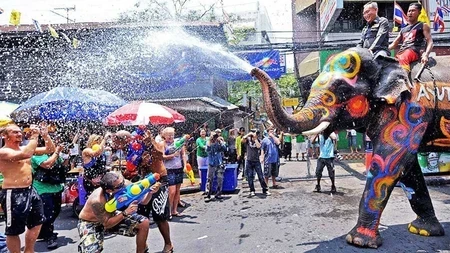
With the arrival of the Buddhist new year, water is poured in streams on the streets of Thailand.
This ritual symbolises purification. The coloured powders with which participants in the celebrations sprinkle themselves also play an important role. This tradition in turn serves to banish bad energy.
During Songkran, parades are organised in many towns and villages.
Participants wear colourful costumes, and it is worth noting that the leading colour always depends on the day of the week on which the parade takes place.
Songkran is a family holiday. Thai people then go to their family homes to spend this time with their loved ones. It is then traditional to pray together, and the younger ones wash their hands with the older ones as a sign of respect. In turn, the elders give blessings to the younger ones and present them with symbolic gifts.
How do Thais celebrate Songkran?
The first day is called Wan Sangkhan Lohng. People visit Buddhist temples, make offerings and pray. It is a time of reflection and meditation.
The second day is Wan Nao (‘purification’ day). On this day, people throw away old things and clean their houses to welcome the new year. Some douse the facades of their houses with water so that they can enter the new months in absolute purity.
The third day is Wan Payawan (fun day). This is a time when people get together with family and friends - eating together, dancing and celebrating, participating in numerous traditional rituals and parades. It is also a time when people pour water on each other en masse, which symbolises cleansing and starting the new year in joy and happiness.