
Who is the Successor of Rome?
First published: Wednesday December 18th, 2024
Report this blog
Prologue
Hello guys, Gade here!
Today, in a more historical-fashioned blog, we are going to dive into which countries, modern or former, claim to be successor of the once prosperous Roman Empire, which many believe to be the backbone of European civilization.
The Backstory
To better understand the concept of succeeding this empire, we need to understand about it.
The Roman Empire stood strong and united for many years, having lands from Iberia in the west to Mesopotamia in the east.
That was until 395 when everything changed. Theodosius the Great had two sons and since he didn't want a succession dispute, so decided to split the empire in two before he died. The two pieces were the Western Roman Empire and the Eastern Roman Empire, which we will cover later
As for the Western part, it, along with the very city of Rome fell in 476.
That's where we begin...
Byzantine Empire
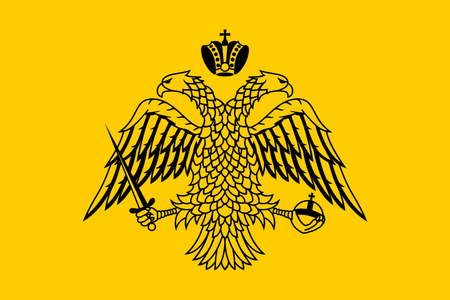
The Byzantine Empire, based in Constantinople, was the direct successor to the original empire until it met its demise in 1453.
While it was pretty Greek-based and not Latin it still held the title with great pride, calling their people as Romioi and the country as Romania (not be confused with modern-day Romania).
Also, the Byzantine emperors didn't use the Roman "Imperator" or "Augustus" but they still had the title of "King of the Romans"
Papal States
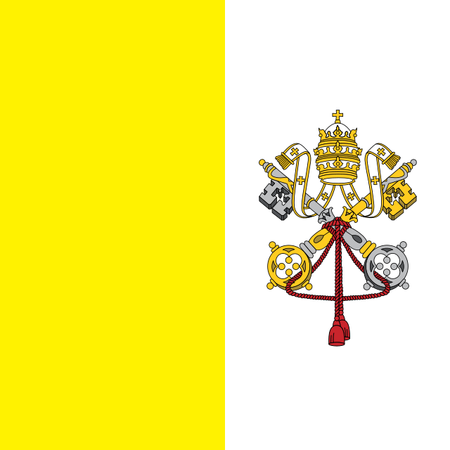
Since the fall of the Western Roman Empire, the Byzantines always wanted to recover the Eternal City, until they succeeded during Justinian's campaigns.
Fast forward two centuries later, the land of Rome and surrounding areas were in danger and Byzantium was unable to help. That's when the Franks stepped in and helped against the Lombards.
Since then the Papal States and subsequently the Vatican City have a claim to the Roman Empire, at least the Western part, which they represented in terms of religion since then.
Francia
Francia also had a strong claim towards the empire, especially the Western part of Rome, which dates back to Charlemagne, who, in exchange for protecting the Papal States was crowned in Rome by the Pope himself as "Emperor of the Romans", which brought great tension between the Franks and Byzantines.
Bulgaria & Serbia
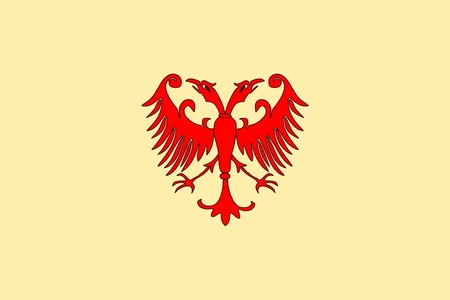
The Bulgarian and Serbian empires tried to challenge the Byzantine hegemony in the Balkans many times. For that reason, a Bulgarian Emperor in the early 10th century and similarly, a Serb Emperor in the 14th included the phrase "Emperor of Romans"
In both cases though those claims were very short-lived and one-sided
Holy Roman Empire
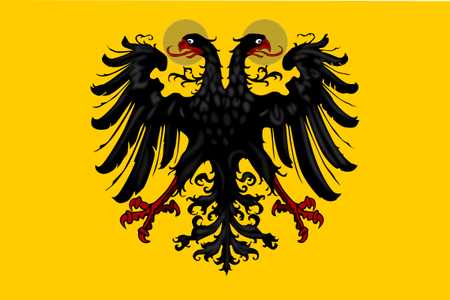
As one of the three states that emerged out of Francia, the Holy Roman Empire obviously wanted to hold the claim, even taking up the name it did, despite the fact that all three words were kind of inaccurate, but that's beyond the point.
Nicaea, Trebizond, Epirus & Morea
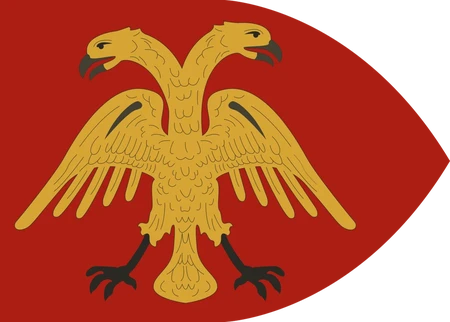
These four states listed were the Byzantine successor states after the fall of Constantinople to the Latins in 1204.
It's obvious that these states had kept the Byzantine way of life and religion, while their ultimate goal being regaining the City. That was managed 57 years later, in 1261, by the Empire of Nicaea, which reformed back into the Byzantine Empire.
The rest just remained independent until they, inevitably, fell to the Ottomans
Ottoman Empire
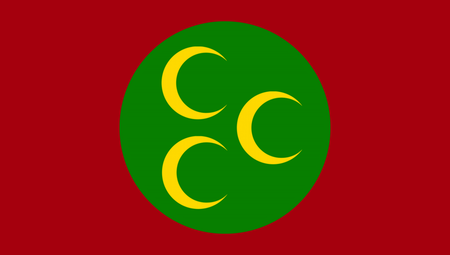
In my opinion, the weirdest claim of them all, because of the great cultural differences between the Christian Roman heritage and the Muslim Ottoman one, but there we have it.
The Ottoman Empire claimed the title solely due to the right of conquest, having besieged and captured most of the Byzantine territories and especially the crown jewel of the empire, Constantinople.
Russian Empire
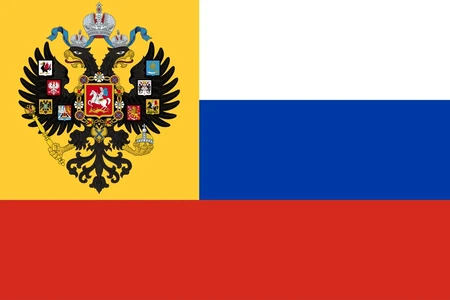
That is because after the fall of Constantinople, the Russians were the only country intact with the Byzantine orthodox values and they were proud of it. They even called Moscow the Third Rome, with the First being Rome itself and the Second being Constantinople.
Lastly, it saw itself as the rightful protector of the Balkan and orthodox people, regularly going to war with the Ottomans over that region. By the way, as the myths suggested, the Russians were to be the ones to liberate Constantinople, but it's yet to happen, sooo...Mussolini's Italy
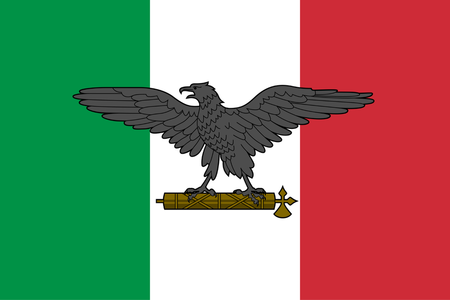
As many might know, Mussolini's policy was around reviving the Roman Empire and making the Mediterranean an Italian lake. Well, he never succeeded, though, due to the famous incompetence of the Italian army and the Axis losing the Second World War.
Conclusion
All in all, many countries have competed for the Roman heritage over the years and I've even missed or rejected some, due to them being too weak.
Now a question to be answered in the comments by you: Who do you think is the most legitimate Roman claimant, as of today?
So in theory, the Spanish royal family still has those rights?
It doesn't seem like the Spanish were aware of any of this until after Andreas died.
Actually does anyone have any ideas?
You can also write about future projections, how the future will be.. I began writing s blog for that months ago, but didn't finish it yet.
Writing about current topics, e.g. Syria, is informative both for you and us.
You can also have a view over the blog tags and then create ideas to each of them.
I have thought about Syria, but it's very controversial as of now and also I want to write topics that I'm familiar with. Not always Greco-centric, but somewhat revolving about it
The Ottoman Empire is clearly the successor to the Byzantines, and Turkey is the successor of the Ottomans. Does this make Turkey the modern-day Roman Empire?
I think not, sadly.
Nice blog, Gademotsili99
Anyway, Turkey and Greece are both states that I could have said, because of their predecessors but I decided not to include modern day countries