The Solar System is BIG: A Comparison

+12

Beginning 

The Solar System is large. Extremely large. The Universe is unfathomably large. Actually, all distances mentioned here are unfathomably large. This blog was originally going to have another section about the Universe, measured in light years. But the problem is 1. None of us understand how big a light year is 2. None of us know enough obscure stars in the Universe to make those comparisons 3. Light years aren't even big enough to measure it. 4. I would have to find a bigger length, maybe in Milky Ways, or light millennia.  I might make a sequel about the Universe, but we'll see. There's some good comparison videos online for y'all if y'all wish.

In this blog we shall use AU (astronomical units) with one AU being one line. And an AU is the distance between the earth and the Sun (149,598,000 km). 1 AU is over 11,700 times the diameter of the Earth, and about 389 times the distance between the Earth and Moon. If you drove at 100 miles per hour for 100 years, you would nearly drive one AU.
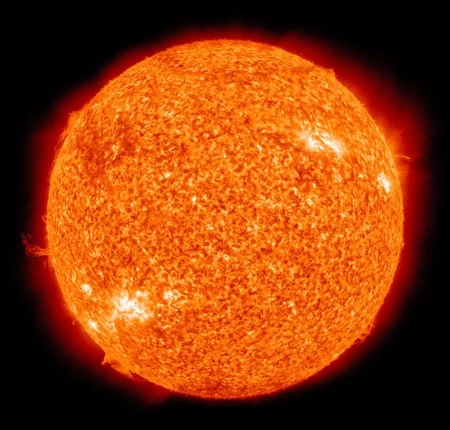
The start of our solar system

Distance (AU)

Object
1

Earth, unremarkable rock.

2

3

Start of Asteroid Belt

4


5

Jupiter, largest planet in this Solar System

6

7

Distance light travels in an hour

8


9

10

Saturn, has rings

11


12

13

14


15


16

17


18

19

Uranus, spins backwards like Venus

20


21

22


23

24


25


26

27


28


29

30

Neptune, farthest planet, start of Kuiper belt

31


32


33


34


35


36


37


38


39


40

Pluto (planet wannabe)

41

42


43


44

45


46

47


48

49


50

​End of Kuiper Belt

51


52

53

54


55

56


57


58


59

​New Horizons (probe)

60


61


62


63

64

65


66

67


68

Eris (dwarf planet)

69

70


71


72


73


74


75


76


​77


​78


​79


​80


​81


​82


​83


​84


​85


​86


​87


​88


​89


​90


​91


​92


​93


​94


​95


​96


​97


98​


99​


100​


101​


102​


103​


104​


105​


106​


107​


​108


​109


​110


​111


​112


​113


​114

​Pioneer 11 (probe)

​115


​116


117​


118​


119​


120​


121​


122​


123​


124​


125​


126​


127​


128​


129​


​130


131​


132​


133​


134​


​135


136​

​Pioneer 10 (probe)

137​

Voyager 2 (probe)​

138​


139​


140​


​141


142​


143​


144​


145​


146​


147​


148​


149​


150​


151​


152​


153​


154​


155


156


​157


158​


159​


160​


​161

​Voyager 1 (probe), farthest artificial object

162​


163​


164​


165​


166​


167​


​168


169​


170​


171​


172​


173​

​Distance light travels in a day

- Neodymium

19 Comments
+4
Level 63
Sep 30, 2024
TheNatureThread is at approximately 107 AU

Duplicating 173 split view text boxes takes forever and a half

+3
Level 63
Sep 30, 2024
Btw the diameter of the solar system is like 200,000 AU so this isn't even close to the whole thing but this contains everything most people care about
+2
Level 83
Sep 30, 2024
I think your math might be wrong somewhere. If an AU is 150 million kilometres and that’s 12 million times bigger than earth… that would mean the earth is only like 12 kilometres in diameter.
+2
Level 63
Sep 30, 2024
exactly, the earth is 12 km... what's wrong??

nah is should say 11,700x not 11.7 million. ty for correcting that! nothing else should err

+3
Level 83
Sep 30, 2024
I like the spatial demonstration, by the way. It’s an easy way to show how close earth is to the sun compared to the giants. I wonder how you could do bigger systems. 🤔
+2
Level 63
Sep 30, 2024
Idk. I could do this same thing but honestly it might be too big and i might have to keep changing units
+4
Level 84
Sep 30, 2024
Logarithms are useful!
+2
Level 83
Sep 30, 2024
Yeah, that's a good point. A logarithmic scale like the RIchter scale would be fairly easy to comprehend.
+2
Level 61
Sep 30, 2024
I've seen this format a lot of times before, though not on JetPunk. Using light years/parsecs/kiloparsecs you could include other galaxies, stars, and other celestial bodies.
+1
Level 63
Sep 30, 2024
I could but then the universe is like 93 billion light years sooooo
+2
Level 68
Sep 30, 2024
I like this format, it really shows how much space there is even in our own tiny corner of space
+1
Level 63
Sep 30, 2024
thank you!
+2
Level 68
Oct 1, 2024
it hits different when you keep all the empty numbers in, rather than just saying, Earth to Sun is 1AU, Earth to Jupiter is 5AU, Uranus is 19AU, etc.
+1
Level 63
Oct 1, 2024
ye lol

also its not like there’s nothing there, theres a ton of stuff

+2
Level 45
Sep 30, 2024
Wow space is big
+2
Level 65
Oct 1, 2024
very cool blog
+1
Level 63
Oct 2, 2024
shukriya
+2
Level 57
Oct 3, 2024
Interesting comparaison, well adapted to the blog format.
+1
Level 63
Oct 3, 2024
ty