
World of Glaciers: Erosional and Depositional Features
First published: Friday May 22nd, 2026
Report this blog
Introduction
Welcome back to the series of the World of Glaciers. This part will go over the landscapes left by glacier, explaining what they are and what they can tell us about the glacier. This blog will cover specifically two different types of land forms by glaciers, erosional, or features carved out be glaciers and depositional, features made of glacial deposits. This blog will be in a slightly different format as my last blog, nevertheless I hope to retain the same quality I did for my last blog. Note there is a whole bunch of cool Erosional and Depositional features not mentioned but this is simplistic as it is built for a beginner.
If you have not already done so, check out the first blog in this series World of Glaciers:Types of Glaciers
Erosional Features
Erosional Features are really land forms which are carved out by glaciers rather than formed. Think of like an artist chiseling out a statue, the glacier chisels out the land below it. In this blog we will talk about Cirques, Aretes, Horns, U Shaped Valleys, Hanging Valleys, Patternoster lakes, Tarns, and Roche Mountainees.
Cirques
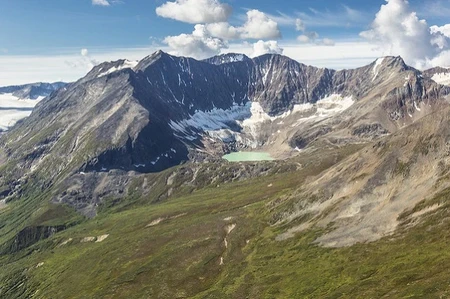
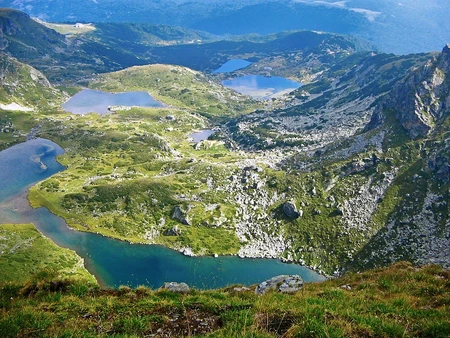
A Cirque is a bowl shaped depression in a mountain. It is formed due to the expansion of neve, seasonal snow, to Firn, thick multi-year ice. This landscape means that it was the formation point for a glacier as one can say a Cirque is the cradle of an alpine glacier.
Arete
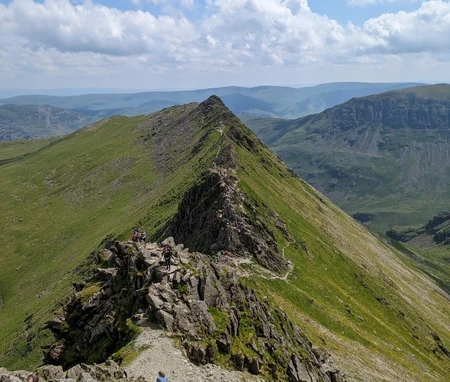
An Arete is essentially a wall between two cirques, it can tell us that the area it was in is highly glaciated, forming almost like a large ridge.
Horn
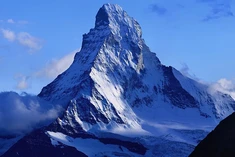
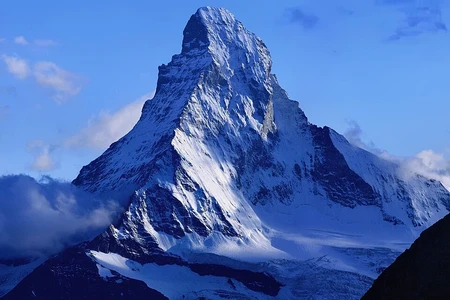
If an Arete is a ridge between two cirques, a horn is between three or more. These horns are kinda like nunataks though not all nunataks have to be around cirques. One of the more famous horns is the Matterhorn in Zermatt Switzerland.
Tarns
Tarns are essentially a lake inside a Cirque. They typically form as a result of the death of a glacier. Now the reason that they are lakes or ponds and not rivers is because they are dammed by glacial moraines on one side. We'll get more into moraines later in this blog.
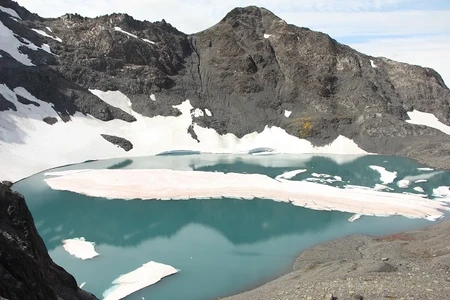
U Shaped Valley
When a Valley glacier comes down a valley, it erodes the side of the valley turning it from its typically, v shaped set up to more of a wider U shape. This shows us the exact path an Alpine glacier has took.
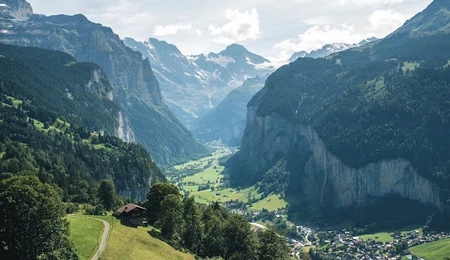
Hanging Valley
A Hanging Valley is essentially a U shaped valley of a small alpine Glacier which gets cut off by a larger alpine glacier . This forms a land form in which one valley is essentially hanging above the larger one. These Valleys are known for having huge waterfalls come down.
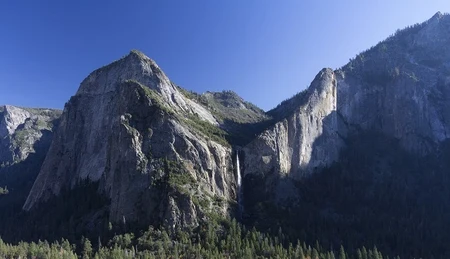
Fjord
A Fjord is essentially a sunken U shaped valley. The big difference pertaining to their formation however, is that they are made primarily from outlet glaciers rather than from valley glaciers.
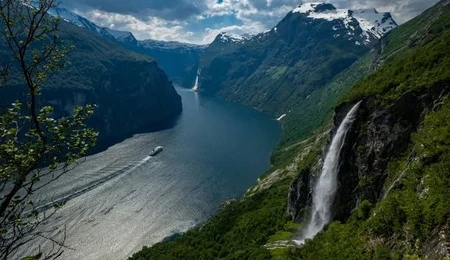
Paternoster Lakes
Technically both Depositional and Erosional, Paternoster lakes are like a staircase manner of lakes as a glacier recedes upward.
Roche Moutonnees
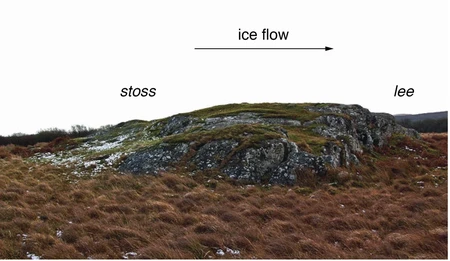
Roche Moutonnees, also known as sheepbacks are humps formed through two processes those being glacial abrasion and plucking. To better understand this feature lets split it into two parts. The stoss side or the gentle incline and the lee side or the steeper incline. The stoss side was formed by abrasion, the process in which the rocks and sand attached to the bottom of the glacier act like sand paper smoothing out the hill. The lee side was formed by plucking where there was a crack in the rock in which water seeps through it, expanding, leaving a steep drop off. It is important to note that the ice flow goes from stoss to lee.
Depositional Features
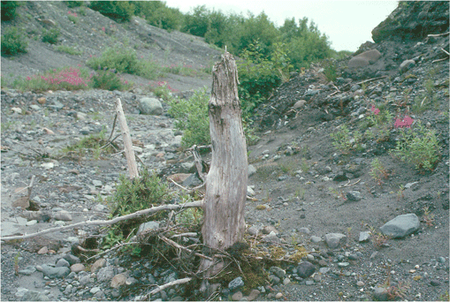
Depositional features, are features which are deposited from glacial sediment. This deposition can happen in two manners, Direct deposition, which pertains to the deposition of Till, a mix of unsorted rocks, boulders and sediment, and indirect deposition which is deposited through glacial meltwater rather than from the glacier itself. Indirect deposits are more stratified meaning more sorted than till. In this section we will cover Drumlins, Moraines and Erratics for direct deposition and Kames, Eskers and outwash plains for indirect.
Moraines
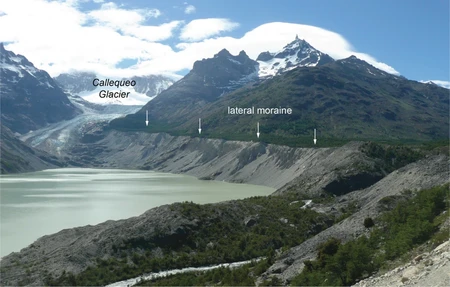
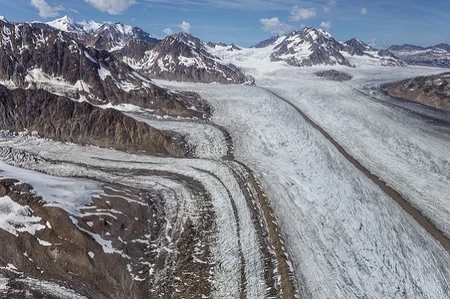
Moraines are essentially ridges of till formed by primarily Alpine glaciers. There are five types we will be talking about, Terminal, Lateral, Medial, Recessional and ground.
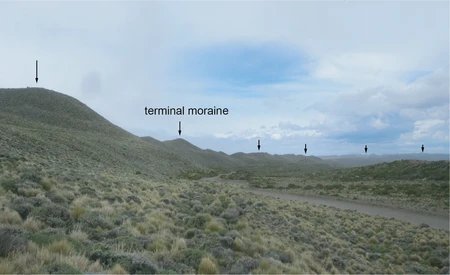
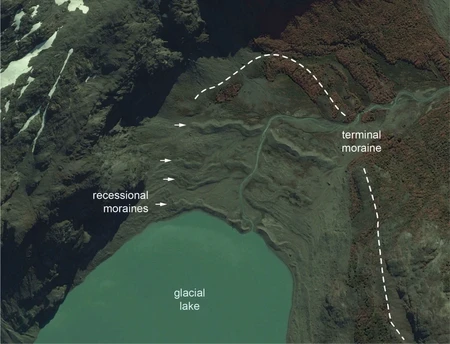
Terminal MorainesTerminal Moraines are a deposit of till at the furthest extent of a glacier. They mark the point when a glacial starts melting and shrinking.
Recessional MorainesThese are essentially historical Terminal Moraines where glaciers have approached and then slightly retreated before expanding again.
Lateral MorainesThese are solely for Alpine Glaciers and form at the glacial sides. These Moraines can tell you the maximum higher of a glacier.
Medial MorainesWhen two glaciers merge in a valley, they create a ridge in the middle of them from the adjacent Lateral moraines coming together.
Ground MorainesThese Moraines are not actually a ridge but rather a deposited plain of till from the bottom of the glacier.
Drumlin
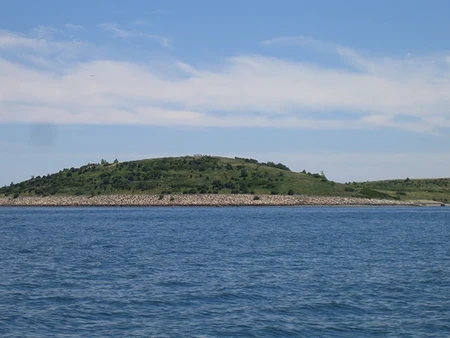
Drumlins are the depositional version of Roche Moutonnees. They are essentially hills made out of Till. One important thing to note is that the sides of the Drumlin can also be referred to as Stoss and Lee though the Stoss is the blunt steep side while the Lee is the tail. Rather than being made from abrasion the formation of Drumlins are mostly unknown. The two leading theories are sediment is deposited from subglacial waterways or erosion causes an influx of till which gathers to form a Drumlin.
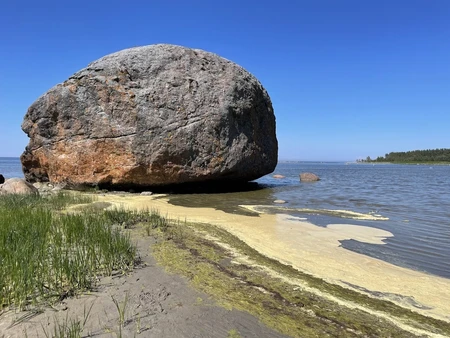
Erratics
An Erratic is essentially deposits of glacial rocks whose composition differs from the local bedrock. Their size ranges from tiny pebbles to boulders as large as a house. Thats it for Direct deposition for the rest of the features they are indirect deposition
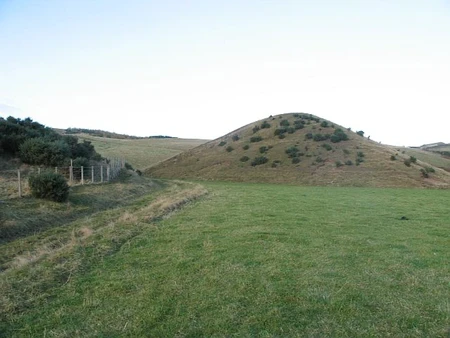
Kames
A Kame is an irregularly shaped mound which is formed when till accumulates in a depression on the glacier and when that glacier melts the meltwater forms and shapes it into a hill.
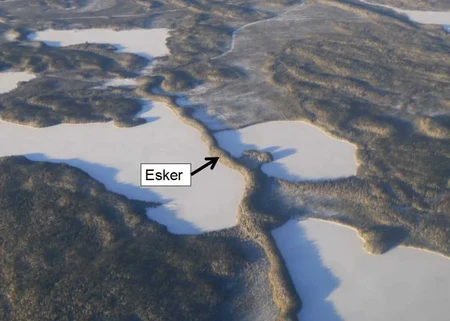
Eskers
The best way to describe these features is by using the term "upside down riverbeds". They are formed through subglacial streams depositing stratified sediment in long windy ridges.
Outwash Plain
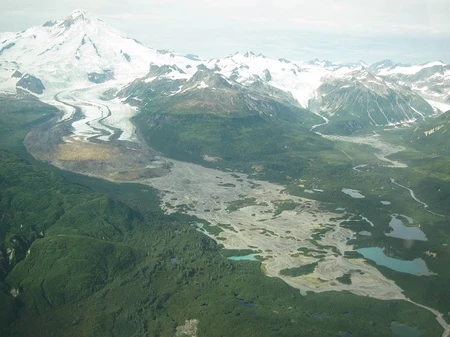
An outwash plain is a large plain formed by the stratification of sediment by glacial outwash. It consists of braided streams and the soil lacks much nutrition. Boulders and heavier rocks drop closer to the terminal moraine while fine silt is carried farther.
Conclusion
That concludes the second part to the World of Glaciers series. I hoped you enjoyed it and feedback is highly appreciated in the comments. Pertaining to blog frequency and schedule, I have decided to release a blog every Wednesday and Friday. Special edition blogs, which are not part of any series for the most part be released on Mondays. Now next Monday I am publishing a blog on the reality show Survivor 50, following that on Wednesday this series will be continued as we will now go into Continental Glaciers and we'll learn about ice shelfs, ice tongues, icebergs, ice streams and the calving process. Thanks for reading y'all and see you on Monday.
My only criticism, and it doesn't pertain to the blog content at all, is that I fear you may have overstretched yourself by committing to two or three blogs a week.
Saying that, I don't know your circumstances, everyone is different, if you feel that is possible, then go for it and I look forward to reading your blogs.
Best of Luck!