How the world was a 100 years ago
Last updated: Monday October 14th, 2024
Report this blog
100 years ago
As you know, a 100 years ago is 1924, in this blog i am going to tell you what the world was like in the 1920s, from music, to movies and from colonisation to new inventions, the decennium 1920s was a special one in the history of music, movies, colonisations, new inventions, infrastructure etc .
Cities around the world
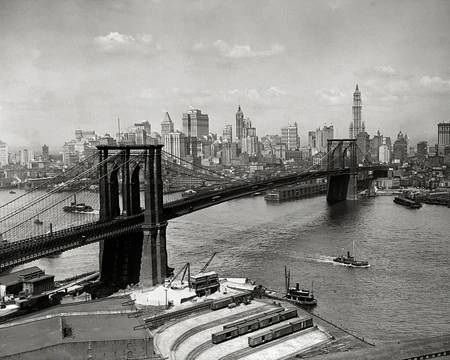
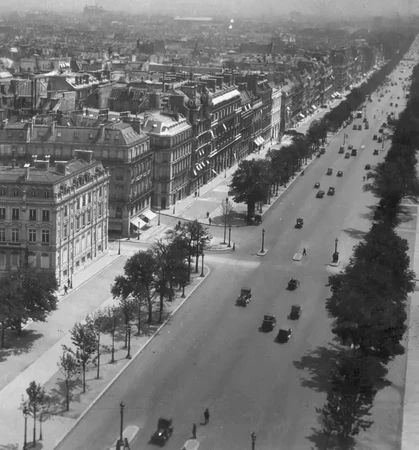
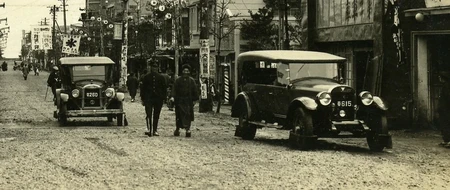
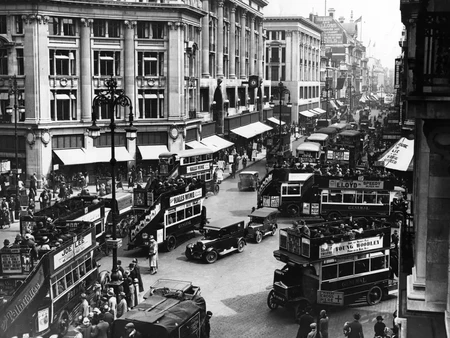
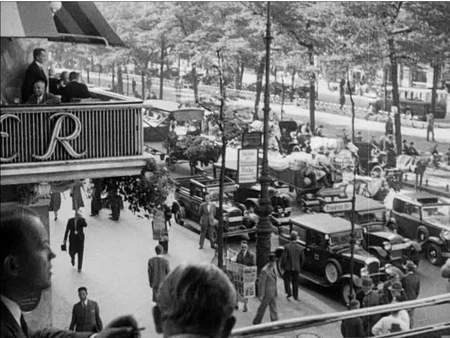
You probably know how the life in the city is right now, you walk out of a big skyscraper and you hear car sounds and people around chatting, then you walk to the nearest store like around every corner to buy a cup of coffee to wake yourself up. Then you go to your work and come home and you can do whatever you want. I mean, i can't name much things that you can't not do in cities. I you want to go the the apple store nowadays, you can. If you want to go to the Casino, you can. But how was the city life in the 1920s. In 1920s, they began to build into the sky, lots of skyscrapers were build, Cars began to drive the road and there was an improvement in the infrastructure, inventions, culture changes and also fashion became popular in the cities.
World map
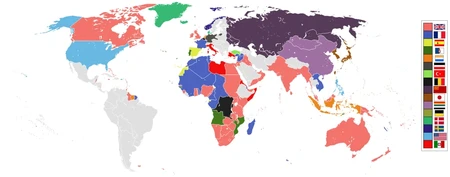
The world was mostly part of Europeans powers, all of Africa except Ethiopia and Liberia were colonies of the Europeans in the 1920s, The British and French Empires were at there peak of their empire, they controlled more than 30% of the total population of the world. In 1920, there were a total of 50 independent countries in the world.
A day in the life
In this blog, we are gonna talk about the day in the life of a British, an American and a Chinese
British :
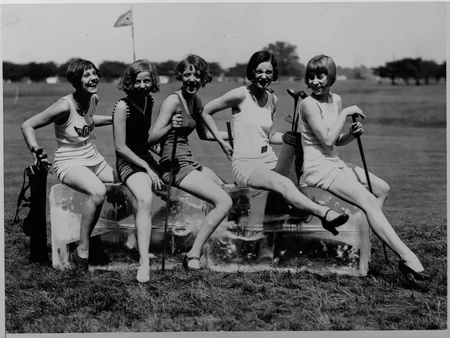
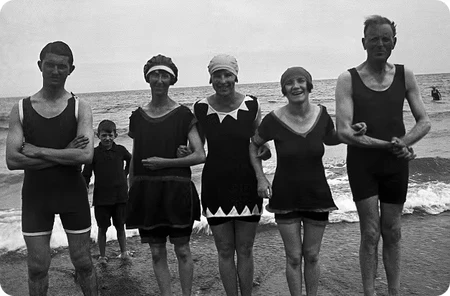
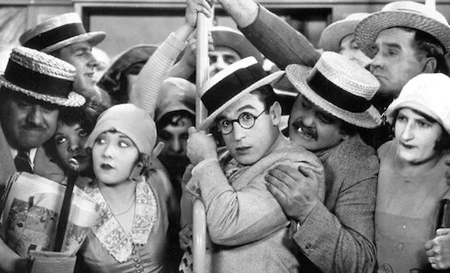
Rambling and cycling became popular pastimes and with motoring more affordable the leisure industry boomed. The first commercial flights began in 1919. Then, in 1924, Imperial Airways, with the British government's help, offered flights to the major European cities. As Britain's roads filled up with cars and commercial vehicles, Petrol Stations appeared. Privately run railways restructured to form four companies, LNER, LMS, GWR and Southern, because they needed to recover lost business in the fields of holiday travel and freight. The only way to cross oceans however, was by ship and the great liners took five days to travel from Southampton to New York. The Mauretania, and sister ship to the doomed Titanic, The Olympic, offered luxury crossings. Fashions for women changed radically. Hemlines rose to reveal more and more leg, close fitting cloche hats became popular and the emancipated women cut their hair short and smoked cigarettes in public. Fashions for men and women became simpler leading to clothes becoming more affordable. Cosmetics also became more affordable and more widely used. Thanks to Advertising campaigns, it wasn't unusual for those going to parties or dances to wear mascara, rouge and lipstick, consequently, Max Factor, Elizabeth Arden and Helena Rubenstein became the leading brands. The modern 'housewife' dreamed of owning new appliances. Labour saving devices like the electric kettle, toaster, refrigerator, cooker, iron and suction cleaner were all readily available. Popular brands included Coca -Cola, Black Cat Cigarettes and Cadbury's were thriving. The choice of sweets grew substantially. Cadbury's launched the chocolate Flake and Fruit and Nut bars, and Fry's, the Crunchie, in 1929, however, chocolate was still a luxury. Toffee was still very much in demand and was produced by hundreds of small companies across the country. Many people visited the cinema on a weekly basis. As a result, screen stars became known and loved by millions. These included Buster Keaton, Charles Chaplin, Douglas Fairbanks, Greta Garbo and Mary Pickford, to name but a few. The radio began to provide daily entertainment. On 14th November, 1922, the British Broadcasting Company started transmitting news and concerts from 6pm to 10pm. Causing great excitement, within a year there were 50,000 licensed receivers. The annual cost then, ten shillings! Many toys and games reflected everyday life. Popular with the boys, train sets, clockwork cars and Meccanno sets and for the girls, dolls, which were becoming more and more lifelike. Here at Sweet and Nostalgic we have a great range of 1920's gift ideas Come and have a look at what life was like in was like in in 1920's Britain, our products give you a warm nostalgic flavour for this influential decade.
American:
What was life like for average, middle-class Americans during the Roaring Twenties? In a word, good.
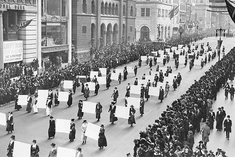
Some trends: women were included in the electoral process, most voted (white women, anyway) and more went to college. Jobs were plentiful–unemployment is estimated to have been below 5% for the entire decade. And people were working fewer hours. Until this decade, the six-day week, ten-hour day was the norm. In the Twenties, eight-hour days became the norm, as did five-day weeks. For example, Henry Ford changed to a five-day week for his factories in 1926. With the price of cars plummeting and more people working, car ownership grew. According to an article in the NY Times by Amity Shlaes, one quarter of American families owned a car in 1920 but half of all families did by 1930. Same with indoor plumbing: at the beginning of the decade, two out of ten American homes had flush toilets; by the end of the decade, half did. Vacuum cleaners–a miracle invention–started to penetrate middle class homes, along with a few other electric appliances, such as toasters.

For black Americans, things weren’t as good, but even they saw improvements. Lynching decreased; the Ku Klux Klan declined. Those who left the South found good-paying factory jobs.

These are all trends that I try to reflect in my Roaring Twenties mystery series.
Chinese:
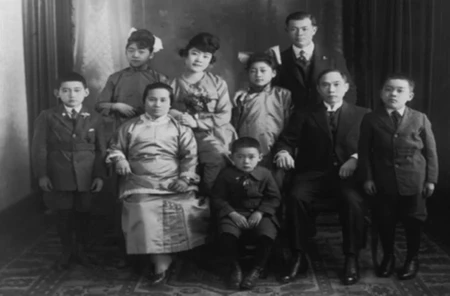
Urban vs. Rural: Life varied greatly between urban and rural areas. Urban residents experienced more modern amenities and cultural exchanges, while rural populations often dealt with traditional practices and economic hardship.
Education and Gender Roles: The 1920s saw an increase in educational opportunities, particularly for women, as reformers advocated for gender equality. However, traditional gender roles remained prevalent in many areas.
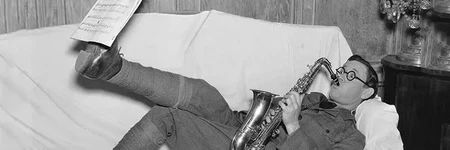
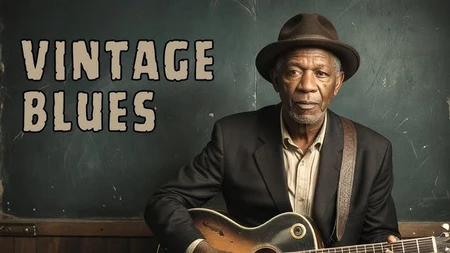
movies and music
Inventions
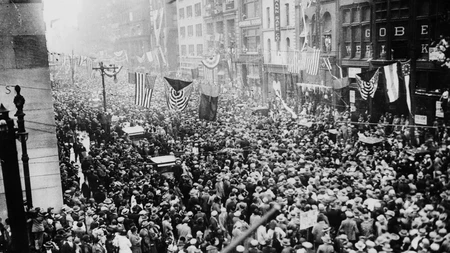
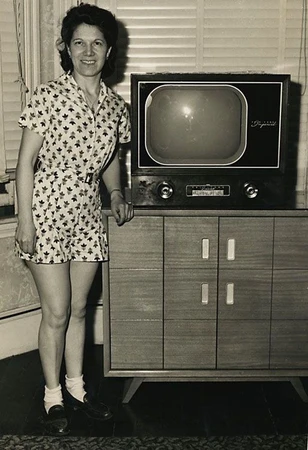
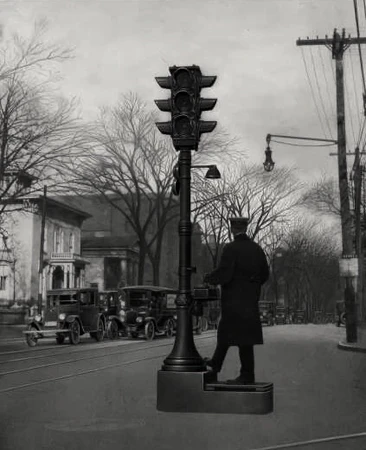
In the Western world, they began with great inventions, bigger cars, fridges, radios and even Televisions began to come. The market went so good until there was an economic crisis, that was caused because the Western Hemisphere build so many new things as fridges, television etc that all the people there already had it. They didn't need it because they already had it. The producing of the new things as fridges, television etc kept on going, that caused a bankrupt by the companies that made these things. What also was a thing is that people had shares in these companies because it went so well with these companies. But after the bankrupt at the companies, the shares became worthless and an economic crisis in the world was the consequence. But let's show you the inventions that were made by the western hemisphere.
Sports
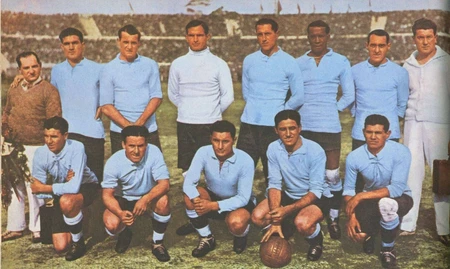
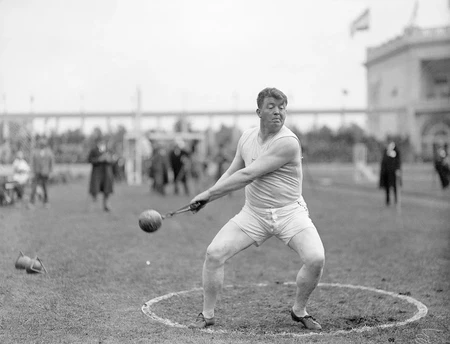
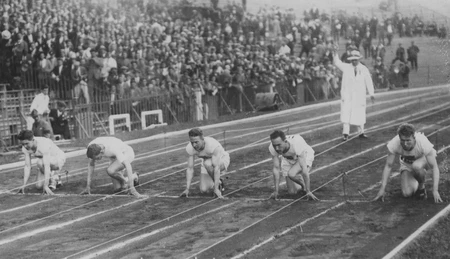
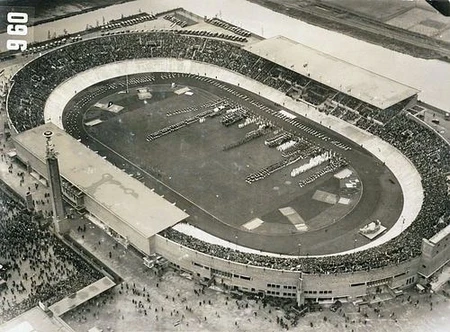
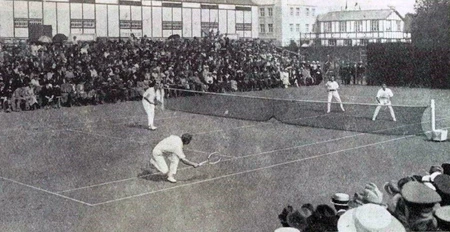
The biggest sports at that time were Tennis, Basketball, Swimming and Hiking, Sports as Football and Volleyball and Handball weren't very popular at that moment. The first FIFA World Cup was in 1930, While World Cups in Tennis began in the early 1900s. Also the Olympic Games were very popular in the 1920s. The 1920 Olympic Games were held in Antwerp, 1924 Olympic Games in Paris and the 1928 Olympic Games were held in Amsterdam, Olympic Games was the most popular sport event at the time with over. It was later Passed by The FIFA World Cup 1930 which led to 590.494 spectators in the whole World Cup.
Most popular persons
The 1920s were home to great and famous historically persons, I now show you the most famous people that were born in the 1920s:
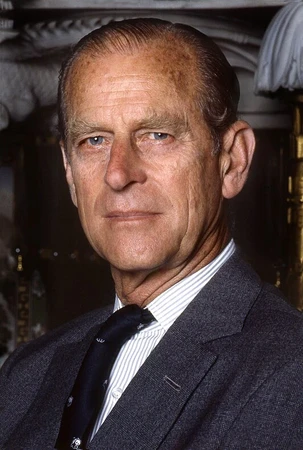
Prince Philip: 10th June 1921- April 9 2021
George H.W. Bush: 12th June 1924- 30th November 2018

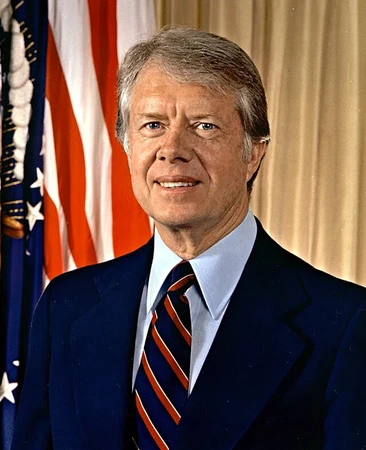
Jimmy Carter: 1 of October 1924-now
Margaret Thatcher: October 13 1925- April 8 2013
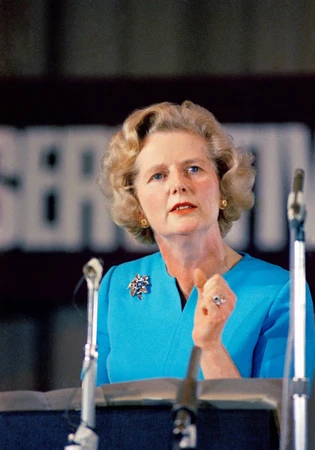
Queen Elizabeth II: April 21 1926- September 8 2022
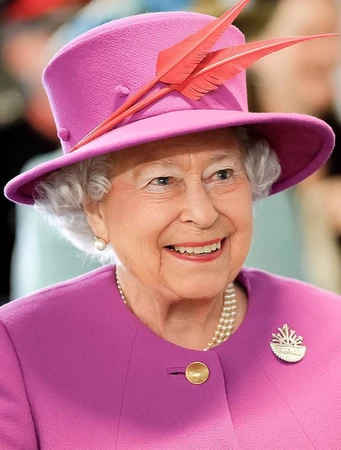
Marylin Monroe: June 1 1926- August 4 1962
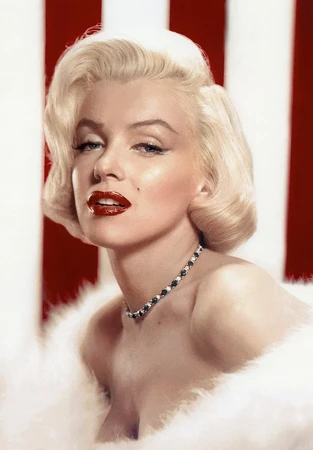
Martin Luther King Jr: January 15 1929- April 4 1968
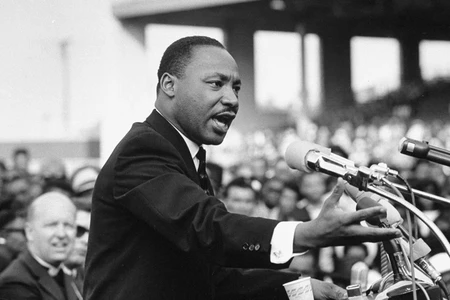
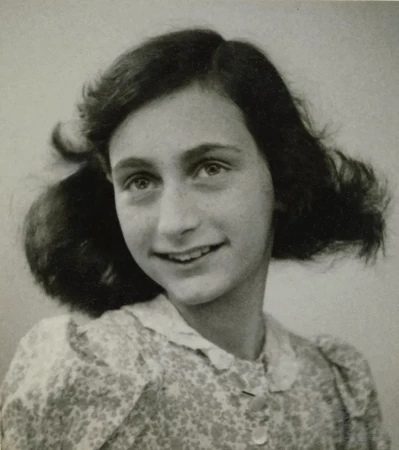
Anne Frank: June 12 1929- February 1945