
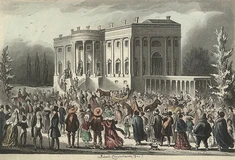
The American Lottery
First published: Monday March 23rd, 2026
Report this blog
Introduction
Hello there! I hope you like U.S. history, cause we are in for the long haul. This blog has taken me quite a long time, from what just started as a fun little system I made.
I've never attempted anything this big in blog form, and I realize it's lacking in a lot of areas, so please feel free to let me know what I could improve!
Anyways to summarize: this blog is about if the USA had always used a different system to elect it's presidents, one with a heavy emphasis on luck, (all results were gathered through a random number generator, not my own choice), Enjoy!
The Electoral College
Before we move on to the new system, it's important to explain what the current system is, and particularly why I find it so silly.
The electoral college is the system used ever since the formation of the United States, in which electors representing state districts cast their vote for president.
The original intention was for people (keep in mind only a small % of the population had a right to vote when the country was founded, mostly land-owning men) in each district to vote for an elector they believed could assess the candidates best and vote to the best intention of the people of that district/state. Travel and mass media were not what they are today, so it makes sense that you would want to delegate someone you trust to vote on your behalf, since they would be able to travel and learn about the candidates better than the average person could.
Very quickly however it was obvious this was not the way it would go, with many states opting to have their legislatures vote for electors instead of the people, and, most important for how it's affecting us today, it became a near-universal practice to lump all electors statewide into voting the way of the state at large. Because of this, even today, 48 of the 50 states use a winner-takes-all method, with only Maine and Nebraska using district voting.
Electors no longer really have a role, they are mere vessels for the state, and while most have accepted the symbolic role they have now, they still have power to vote however they want, completely disregarding the wishes of their state, (a good example of this is the 2016 election, which saw 5 candidates get 8 electoral votes they had not earned, with 3 of those candidates getting under 150 popular votes).
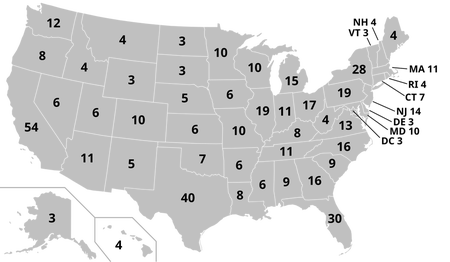
Each state is required to have at least 3 electoral votes, with the rest being determined by the state's population from the last census.
This leads to my main gripe and really the primary issue with the electoral college, not every vote is equal, a vote in Wyoming is worth about 2.5 times as much as a vote in California. Some will argue this is intended and good, as states rights are more important and smaller states should have more power to counteract the gravity of the giants, I however find this backwards, but completely undemocratic. States are not monoliths, in every state is a vast mix of people, ideologies and opinions, but for the majority of states if you aren't part of the dominant party your vote means less than nothing. Not to mention the millions of Americans in territories who hold no power over the electoral college.
In summary, the electoral college is an outdated system that was undermined even at its inception, it keeps millions of Americans from having any impact on elections purely because of where they live, and massively inflates the value of certain votes, once again purely because they live in a different area of the country than someone else.
The New System
Hmm... I have just the idea!
Let's pretend you want to decide where to go on a field trip, the class has 20 students which includes yourself, below is where everyone voted to go.
| Place | State | Votes | Chance |
|---|---|---|---|
| Las Vegas | Nevada | 7 | 35% |
| Seattle | Washington | 5 | 25% |
| Denver | Colorado | 4 | 20% |
| New Orleans | Louisiana | 3 | 15% |
| West Orange | New Jersey | 1 | 5% |
So to explain the system: The share of the vote each option gets is the chance that option will be selected. This allows everyone the chance to get what they want, with a bias to what more people want.
Before you go on about how this is a bad system, I agree!
It's not meant to be good, it's meant to be silly!
If you were wondering, West Orange won out, enjoy New Jersey!
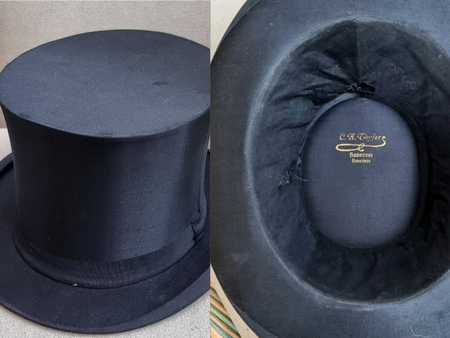
It's unknown who exactly added this part into the constitution, but the system has been followed till the present day.
• Step 2: Calculate the % of the popular vote of each candidate
• Step 3: Round the % to the nearest whole number
• Step 4: Add 1 paper with the name of the candidate to the hat for each % of the vote they have.
(Note that because of the rounding it's entirely possible for the number of papers added to the hat to not be exactly 100, this is 104% intended!)
• Step 5: Pick a random member of the crowd, blindfold them, and ask them to pick out a paper from the hat, the name displayed is the next president.
Election of 1788-79
The first ever presidential election was a lot different than what we are used to today, in short, people didn't vote for presidential candidates, but rather electors who were pledged to certain candidates.
This same system was used for the first few elections and thus our new system will be forced to adjust for these ones as we have no complete popular vote to go off. Instead we'll take the number of electoral votes each candidate got and divide it by the total cast, that's the chance they have to become president.
It's important to note that we are assuming our new system was always in place and never changed, we are only changing things up for these first few elections to see their results, as we have no numbers to go off.
This election was mostly a foregone conclusion in our timeline, as both major factions (Federalist and Anti-Federalist) supported George Washington, former leader of the Continental Army.
He won unanimously, gaining all 69 possible votes, however in this election each elector was given two votes, one for their presidential pick and one for their vice presidential pick, with no way to differentiate which was given to who.
So we must assume each vote was a presidential one, that makes the total number 138.
Candidates
A note on the format of this blog, everything before the candidates is real history, and everything after is speculation on alternate history.
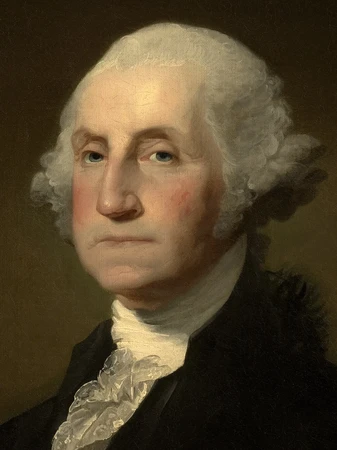
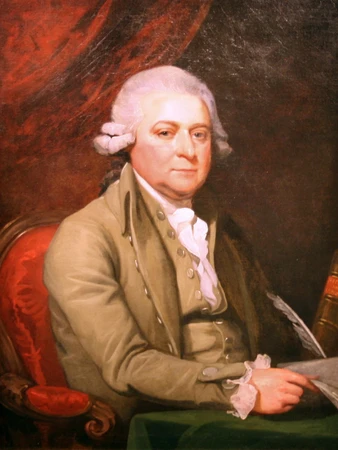
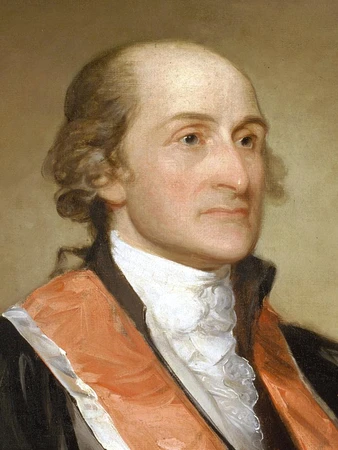
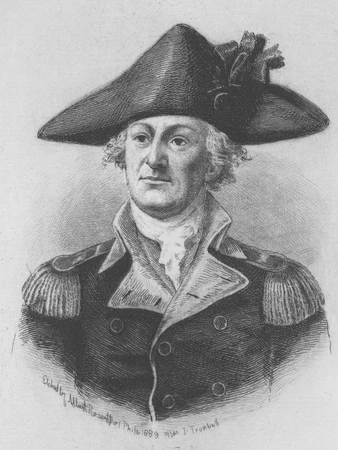
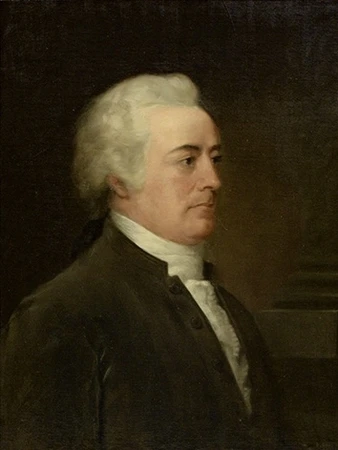
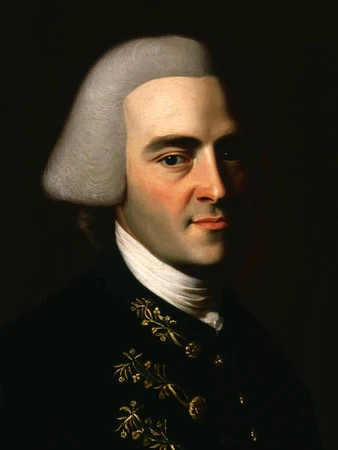
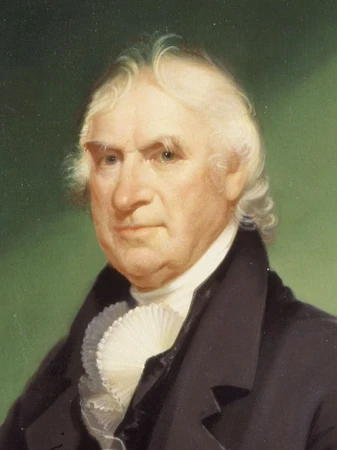
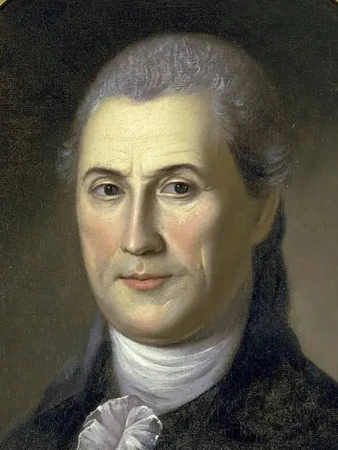

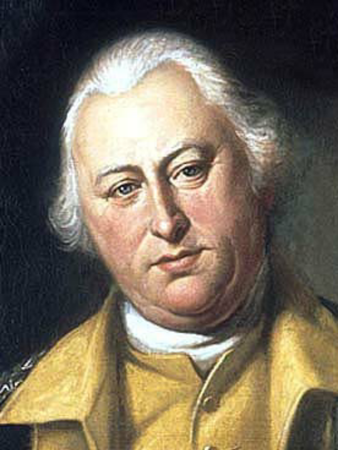
12 different men had at least a single vote cast for them, giving us 132 possible combinations of POTUS and VPOTUSes!
| Candidate | Party | Votes | Chance |
|---|---|---|---|
| George Washington | Independent | 69 | 50% |
| John Adams | Federalist | 35 | 25% |
| John Jay | Federalist | 9 | 7% |
| Robert H. Harrison | Federalist | 6 | 4% |
| John Rutledge | Federalist | 6 | 4% |
| John Hancock | Federalist | 4 | 3% |
| George Clinton | Anti-Federalist | 3 | 2% |
| Samuel Huntington | Federalist | 2 | 1% |
| John Milton | Federalist | 2 | 1% |
| Benjamin Lincoln | Federalist | 1 | 1% |
| James Armstrong | Federalist | 1 | 1% |
| Edward Telfair | Anti-Federalist | 1 | 1% |
For the very first time the names are added to a hat, it's a coin flip on if Washington becomes president, the nation waits patiently, the very first president of the United States is... John Rutledge...?
It's only the first election, and already we have massively strayed from our current timeline, Washington was massively important in establishing what the office of the president was, and what a good president should be. Rutledge being elected would have monumental ripple effects on world history.
Regardless, we still have to see who the vice president will be, Rutledge's papers are taken out of the hat, and once again the nation waits, will Washington at least be vice president, the very first vice president of the United States is... John Adams!
Election of 1792
The second presidential election in US history was also not much of a competition at all, Washington once again received a vote from every single elector, which we can assume pretty likely all were for president.
On the other hand the vice presidential race was closer; here we see the early formations of a two party system, with the Federalist party backing Adams for VP and the Democratic-Republicans backing George Clinton.
Obviously Washington was re-elected, and his vice president was once again John Adams, having 77 votes to Clinton's 50.
Candidates
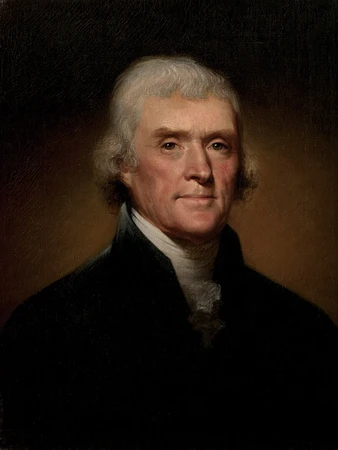
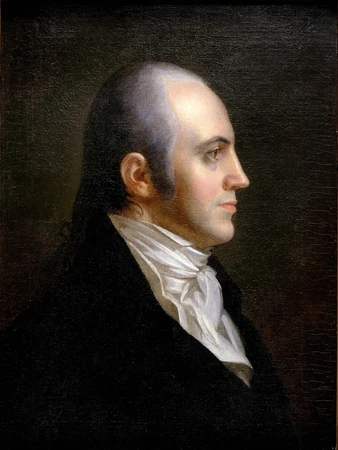
There were 132 participating electors, making the total number of votes 264.
Only 5 men had at least a single vote cast for them this time, with only 3 realistically having a chance for office.
We are guaranteed a new president, as John Rutledge did not gain any electoral votes.
| Candidate | Party | Votes | Chance |
|---|---|---|---|
| George Washington | Independent | 132 | 50% |
| John Adams | Federalist | 77 | 29% |
| George Clinton | Democratic-Republican | 50 | 19% |
| Thomas Jefferson | Democratic-Republican | 4 | 2% |
| Aaron Burr | Democratic-Republican | 1 | 1% |
While we can't predict what Rutledge would have done, we know he decided not to re-run, it's possible he was very unpopular as leader, or he didn't want to continue in the high pressure role.
What is obvious is the nation still wanted Washington, perhaps this time they can get their wish.
The 100 papers are placed in the hat, and the nation holds its breath; the second president of the United States is... John Adams!
In both timelines Adams goes from the first VP to the second president, although he does so 4 years early here.
Adams' papers are taken out of the hat; the second vice president of the United States is... George Clinton!
In this world he is known as a great leader and general during the revolution, who was wildly popular but never made it to the top, undoubtedly America's biggest what if?
Election of 1796
The 1796 election was the first contested presidential election in US history. While there were no term limits at the time, Washington stepping down after his second term created an unwritten rule, which was followed all the way until the 1930s, and without him running, the choice for president was no longer obvious.
Here we see political parties play a dominant role, one they have kept till the present day.
The election ended up being a close battle between Adams and Jefferson, with Adams marginally beating him out 71 to 68 votes, by the rules of these early elections Jefferson became his VP.
There were 138 participating electors, making the total number of votes 276.
Candidates
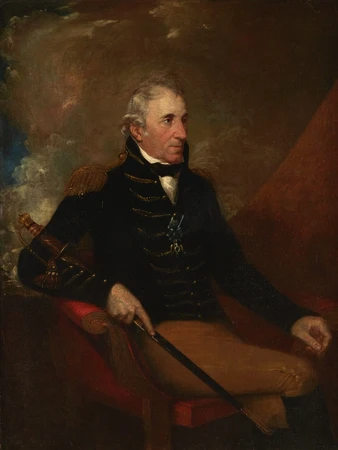
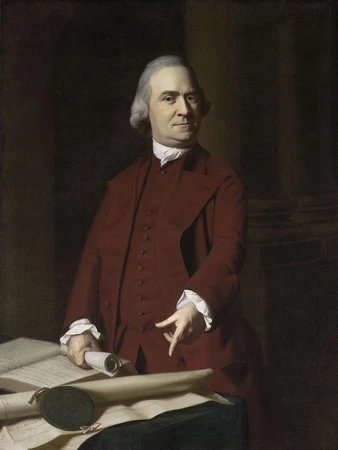
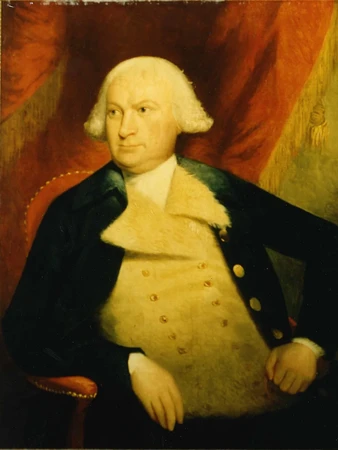
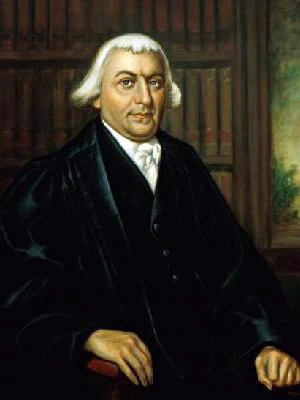
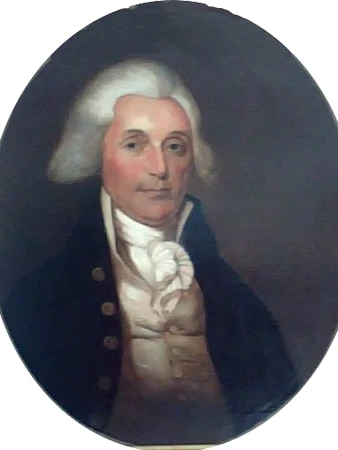
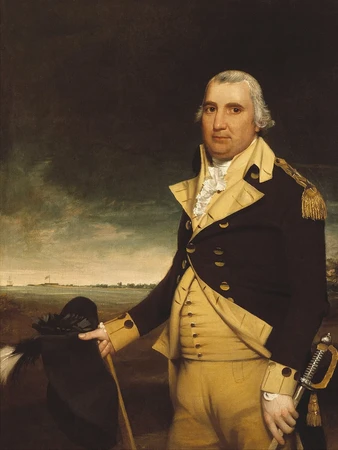
13(!) different candidates earned at least 1 electoral vote, the highest so far. Washington earned 2 electoral votes even without campaigning, so there is still a small hope of him to become president.
| Candidate | Party | Votes | Chance |
|---|---|---|---|
| John Adams | Federalist | 71 | 26% |
| Thomas Jefferson | Democratic-Republican | 68 | 25% |
| Thomas Pinckney | Federalist | 59 | 21% |
| Aaron Burr | Democratic-Republican | 30 | 11% |
| Samuel Adams | Democratic-Republican | 15 | 5% |
| Oliver Ellsworth | Federalist | 11 | 4% |
| George Clinton | Democratic-Republican | 7 | 3% |
| John Jay | Federalist | 5 | 2% |
| James Iredell | Federalist | 3 | 1% |
| George Washington | Independent | 2 | 1% |
| John Henry | Federalist | 2 | 1% |
| Samuel Johnston | Federalist | 2 | 1% |
| Charles Cotesworth Pinckney | Federalist | 1 | 1% |
One of the main issues of Washington's second term was the Whiskey Rebellion, a Pennsylvania revolt against liquor taxation, in which he himself mobilized and led a militia to quell the rebellion. It's possible this rebellion still occurs in largely the same way, with Adams calling upon Washington to return briefly to his role as leader of the army and suppress the insurgency.
The names are placed in the hat once again, and the name that is pulled out is... John Adams!
This is the first president to be re-elected and the first president to also have won the same election in both timelines.
Adams' papers are taken out of the hat, and the name pulled out is... Oliver Ellsworth!
Adams will be pleased that his VP is a fellow Federalist, instead of having Jefferson as his VP as he did in our timeline.
Election of 1800
Sometimes dubbed the "Revolution of 1800", this election saw a bitter campaign between the Federalist ticket of Adams and Pinckney, and the Democratic-Republican ticket of Jefferson and Burr.
The Federalist Party's handling of the Quasi-War, increased taxes, and the largely denounced Alien and Sedition Acts allowed the Democratic-Republicans to win, with both of their candidates gaining 73 votes, to the Federalist's 65 and 64.
It was intended for at least one Jefferson voter to not vote for Burr, as to avoid a tie and make sure Jefferson becomes president, but this never happened, and thus a contingent election was held by the House of Representatives, with Jefferson winning 10 states to Burr's 4.
Candidates
5 candidates gain at least 1 electoral vote this election, with every voter except one abiding by their party's ticket, this was to make sure Adams and Pinckney did not tie in the way Jefferson and Burr did.
| Candidate | Party | Votes | Chance |
|---|---|---|---|
| Thomas Jefferson | Democratic-Republican | 73 | 26% |
| Aaron Burr | Democratic-Republican | 73 | 26% |
| John Adams | Federalist | 65 | 24% |
| Charles Cotesworth Pinckney | Federalist | 64 | 23% |
| John Jay | Federalist | 1 | 1% |
We can expect Adams to have responded largely the same way as our timeline to the various issues around the turn of the century, and him having been now 8 years as president and 12 years as president or VP, it's likely people would be even more willing to move on from him.
As a paper is pulled from the hat, the crowd of people waits patiently for the announcement; the president of the United States is... Aaron Burr!!!
There will be no contingency election this time, Burr is next US president, with his vice president being... Charles Cotesworth Pinckney...
Both running mates edged out office over their party's actual candidate, certainly a weird turn of events.
This is the first time John Adams will not be president or vice president.
The biggest accomplishment of Jefferson's first term was the purchase of the Louisiana territory from Napoleon. This not only doubled the size of the nation, but gave America access to some of the most vast fertile land on Earth.
It's unknown if Burr would have done the same, but from what we know from the Burr Conspiracy it's likely he would have tried to take it by force, straining relations with France.
Election of 1804
This is first election conducted after the passing of the 12th amendment, which removed the ambiguity in presidential and vice presidential votes, now electors had one vote, for a ticket including their presidential and vice presidential candidate.
Jefferson was massively popular around this time, thanks both the a strong economy and of course the doubling of the country via the Louisiana purchase.
He easily won the election against Pinckney and the waining Federalist party.
Candidates
From now on presidential candidates will be shown on the left, with their running mate for vice president on the right.
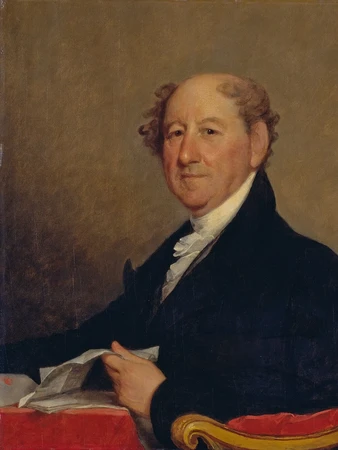
This is the first election with just 2 candidates, which unfortunately turns into the norm going forward.
| Candidate | Party | Votes | Chance |
|---|---|---|---|
| Thomas Jefferson | Democratic-Republican | 105,524 | 73% |
| Charles Cotesworth Pinckney | Federalist | 38,519 | 27% |
Aaron Burr did not seek re-election, it's possible his duel with Alexander Hamilton still occurs in this timeline, although with him getting the presidency like he wanted, it's unlikely. A sitting president murdering a key founding father and de facto leader of the opposition would be monumental however.
Whatever the reason for him deciding not to re-run, it's likely he wouldn't have earned his party's nomination anyway; Jefferson is by far the most popular candidate since Washington and has the highest chances of becoming president of anyone so far, at 73%.
73 papers with Jefferson's name and 27 with Pinckney's are placed into the hat, and the winning one that comes out says... Thomas Jefferson!
Thanks to the amended voting system in place, this is the first time the president and VP match our timeline.
Election of 1808
This election saw a decisive Democratic-Republican win once again, against the Federalist party's same losing ticket as the prior election.
While the Embargo Act of 1807 massively hurt merchants and stalled economic growth, Jefferson and the Democratic-Republicans were still very popular, allowing James Madison to be elevated to the presidency.
Candidates
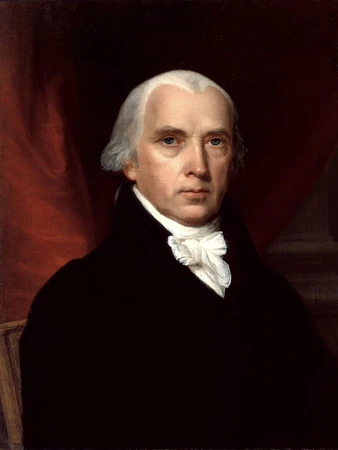
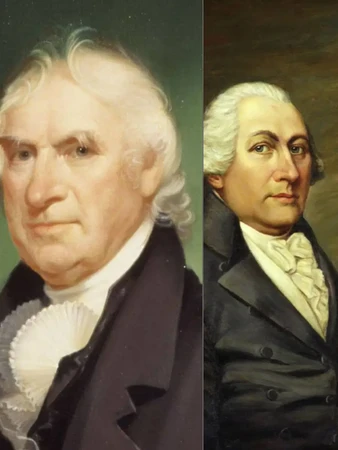
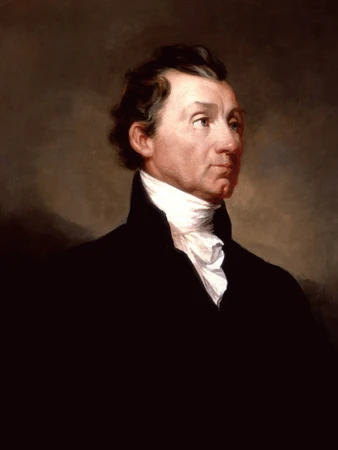
While the party's ticket was Madison and Clinton, Monroe and Langdon gained a small amount of votes for their respective positions.
| Candidate | Party | Votes | Chance |
|---|---|---|---|
| James Madison | Democratic-Republican | 124,964 | 65% |
| Charles Cotesworth Pinckney | Federalist | 60,976 | 32% |
| James Monroe | Democratic-Republican | 5,618 | 3% |
This is the 5th different election Clinton has been part of, surpassing the 4 by Adams, and now Pinckney.
All eyes are on the presidential hat; by luck of the draw the next president is... James Madison!
A fairly unsurprising result, however since there wasn't complete agreement on his VP, I've decided to also simulate an election to see who gets the position.
| Candidate | Party | Votes | Chance |
|---|---|---|---|
| George Clinton | Democratic-Republican | 113 | 93% |
| John Langdon | Democratic-Republican | 9 | 7% |
Once again, no surprises here.
In 1812 Clinton died from a heart attack, becoming the first vice president to die in office in both timelines. Before the ratification of the 25th amendment in 1967, the office of vice president could not be filled if there was an intra-term vacancy, and so the office stays vacant till the end of Madison's term.
Election of 1812
This election was largely overshadowed by the War of 1812, which had kicked off a few months prior.
Madison ran for re-election while nephew of the vice president, DeWitt Clinton, ran against him, despite being technically in the same party. He ran an anti-war focused campaign, attempting to unite both Federalists and Democratic-Republicans who opposed the war with Britain.
Madison ended up winning by a narrow margin however, continuing the war up until 1815. While returning to the pre-war status quo was what Britain and America decided on, the war did eventually lead to the acquisition of Florida from Spain.
Candidates
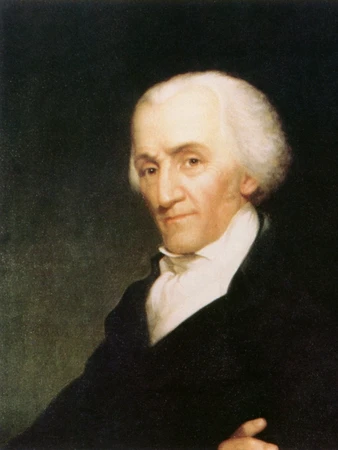
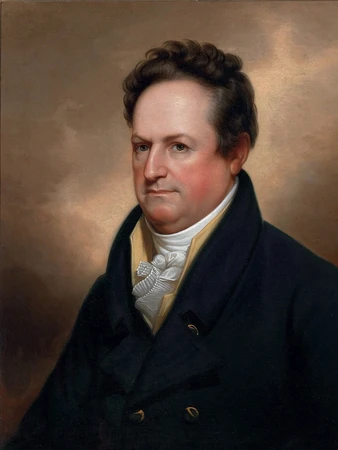
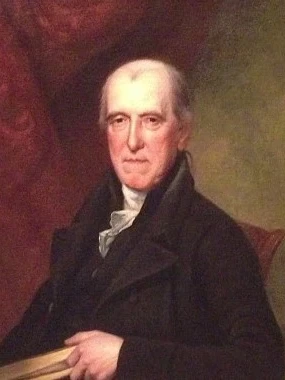
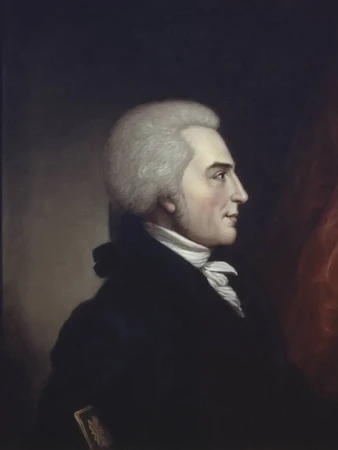
Note that Gerry had also received 3 electoral votes as Clinton's running mate, to Ingersoll's 86.
| Candidate | Party | Votes | Chance |
|---|---|---|---|
| James Madison | Democratic-Republican | 140,431 | 50% |
| DeWitt Clinton | Democratic-Republican | 132,781 | 48% |
| Rufus King | Federalist | 5,583 | 2% |
This is the first election without any candidate from the 1788-89 election. It's also the closest an election has been that only had 2 main candidates, with some people jokingly saying that the hat method should be ditched in favor of a simple coin flip.
As war ravages on in the north a paper is lifted from the hat, decider on if it will continue will be... James Madison!
This is the 3rd election in a row with the same result as our timeline, and so we should see a relatively similar history as our own, with the war ending in 1815 and the Era of Good Feelings following suit.
In 1814 Gerry died of a heart attack, meaning for both of Madison's terms, his vice president died of a heart attack and the office was vacated until the next election.
Election of 1816
In what might be the weirdest election of them all, James Monroe runs against nobody... the Federalist party fielded no official candidate, this didn't stop unpledged electors from voting for Rufus King, even though he didn't campaign.
Monroe won handily and King asked the Federalist's to recognize his presidency and to disband; he was the last presidential candidate to be part of the Federalist party.
Candidates
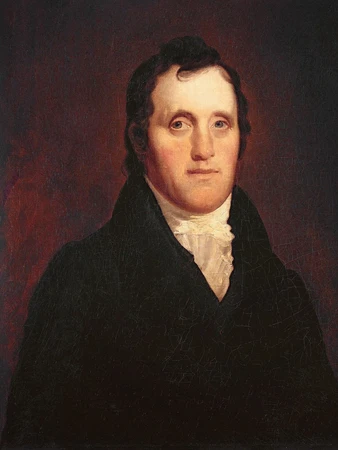
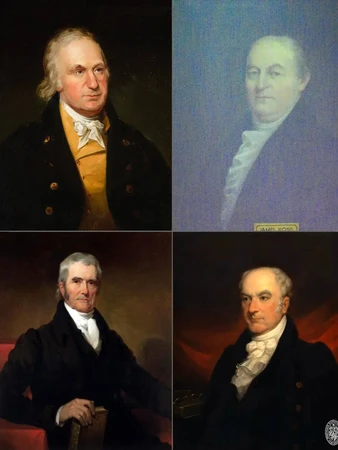
All of King's electoral votes came from unpledged electors who were voted by legislatures, and not by popular vote, this means technically King got 0 votes via popular vote. 4 different men got votes for vice president alongside him as there wasn't much coordination among the unpledged electors.
| Candidate | Party | Votes | Chance |
|---|---|---|---|
| James Monroe | Democratic-Republican | 76,752 | 100% |
| Rufus King | Federalist | N/A | 0% |
I'm gonna keep this part short, Monroe earned all votes that didn't go to unpledged electors, and of the electors that were chosen by popular vote and were Federalist leaning, all 3 abstained, so by default Monroe becomes president in this timeline.
I decided to simulate similar to the early elections, going by electoral votes, 183 for Monroe and 34 for King, Monroe still won.
The Federalist party's inability to challenge the Democratic-Republicans during the early 19th century cause much of this era to reflect the real life results, and thus the Era of Good Feelings would remain familiar to our world's.
Election of 1820
This was the third and final election in which a candidate ran effectively unopposed, (1788-89 and 1792 are the other two, thanks to the popularity of Washington). This was the height of the Era of Good Feelings, and while Monroe's support was vast, not all was sunshine and rainbows.
His response, or lack of, to both the Panic of 1819 and the Compromise of 1820 did leave a lot of supporters dismayed, in the end both Democratic-Republican and Federalist electors backed him in most states.
While originally vetoing the aforementioned compromise, he later signed it into law; many agree that it both delayed the Civil War and sowed its seeds, regardless, this is the beginning of the demarcation between which states got to be northern free states or southern slave states.
DeWitt was supported in New York and Pennsylvania, but never formally ran or earned any electoral votes, so he has no running mate.
| Candidate | Party | Votes | Chance |
|---|---|---|---|
| James Monroe | Democratic-Republican | 85,443 | 98% |
| DeWitt Clinton | Democratic-Republican | 1,893 | 2% |
Slim chances for DeWitt, no one really bothers caring about the ceremony this year, at least it's not a complete sham like last time's.
Surprise surprise James Monroe continues to be president.
Once again we can expect history to play out largely the same as our timeline, mainly the adoption of the Monroe Doctrine.
Election of 1824
This election marks the end of the Era of Good Feelings, Monroe was able to keep his party unified, but with the complete dissolution of the Federalists, the mounting economic woes, and the issue of slavery, the party became splintered, with 4 different major candidates arising, each being nominated by at least 1 state legislature.
Andrew Jackson had a plurality of both the popular and electoral college vote, however as per the 12th amendment, without an outright majority the president was to be decided in a contingent election, (this was the 2nd and last of its kind), in which John Quincy Adams (son of John Adams) was awarded the presidency.
This decision shocked Jackson, and rumors spread of 4th place man Henry Clay selling his support to Adams in exchange for the position of Secretary of State.
(It is important to mention however that Jackson only had a plurality in the electoral college thanks to the 3/5s Compromise; without which Adams would have had a plurality, as most of his base was in northern free states).
Candidates
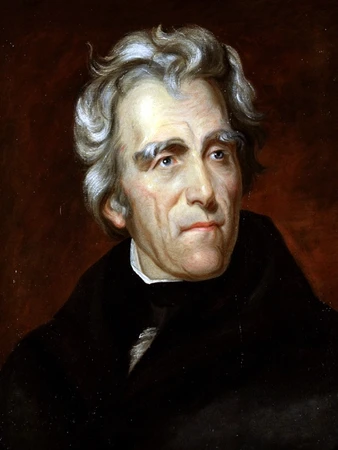
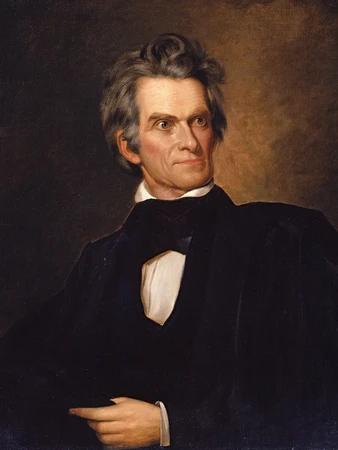
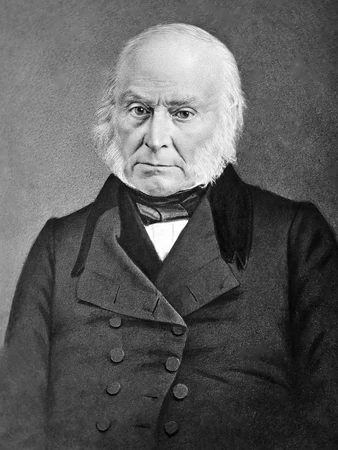
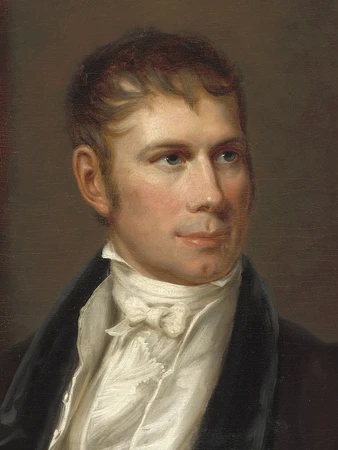
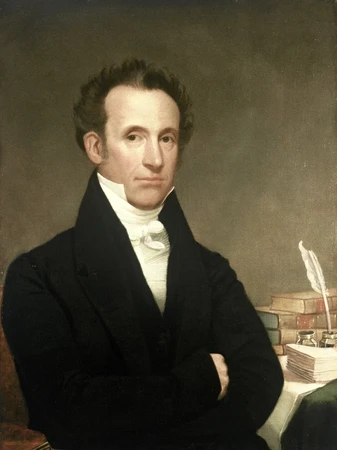
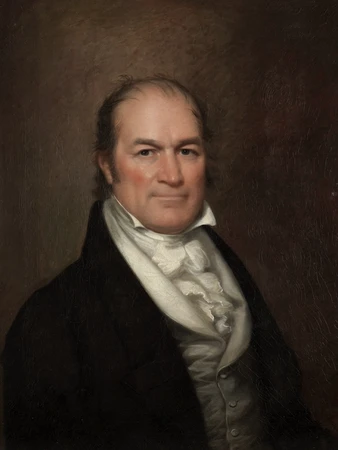
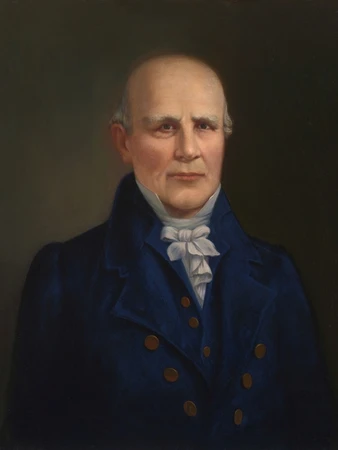
This was the first election in which every candidate (POTUS and VPOTUS) was running for the first time (excluding the very first election).
| Candidate | Party | Votes | Chance |
|---|---|---|---|
| Andrew Jackson | Democratic-Republican | 151,309 | 42% |
| John Quincy Adams | Democratic-Republican | 122,440 | 34% |
| Henry Clay | Democratic-Republican | 48,606 | 13% |
| William H. Crawford | Democratic-Republican | 41,222 | 11% |
After the dominance of Monroe, the nation finally cannot predict who the president will be, all 4 men have a realistic chance at office.
A crowd gathers outside the White House for the ceremony, the papers are dropped in and one name is retrieved from the hat; the president of America is... Andrew Jackson!
One could say this is a more fair result than the one we got in real life, Jackson being the only man to not become president despite having the most electoral votes. Regardless he still became president, only he had to wait 4 years less in our timeline.
Adams oversaw a large number of internal improvements and infrastructure projects during his term, including the first passenger railroads; it's unclear if Jackson would have pushed for such ambitious projects.
Adams also sought to peacefully and lawfully assimilate Native American tribes into the United States, while Jackson later declined to prevent states from expulsing them, even signing the Indian Removal Act which led to the infamous Trail of Tears. In this timeline it's likely the westward expansion and forceful removal start even earlier.
Election of 1828
The campaigning for this election started almost immediately after the last, with Jackson supporters believing that a corrupt bargain was reached between Adams and Clay.
This election was the first of the new party system, with the Democratic-Republicans splitting into various factions, we see the rise of two new major parties: the Democrats, (same ones as today), and the National Republicans (different than today's Republicans).
Characterized by the mudslinging engaged in by both sides, plus the expansion of the right to vote to most white men, interest in voting increased drastically.
Jackson ultimately beat out Adams, with Calhoun as his running mate, who was unsatisfied with the deal struck between Adams and Clay.
Candidates
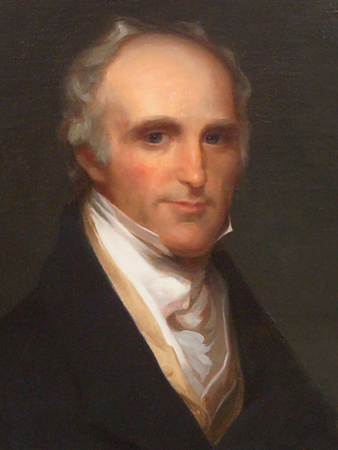
This was the first time since the signing of the 12th amendment that the two main candidates from the previous election would face off again.
| Candidate | Party | Votes | Chance |
|---|---|---|---|
| Andrew Jackson | Democratic | 646,339 | 56% |
| John Quincy Adams | National Republican | 507,440 | 44% |
There are only two realistic candidates this time, Jackson, who holds much of the support of the south and west, keen on preserving slavery, the continued removal of Native Americans, and westward expansion, while Adams holds most of his base in the north, who call out Jackson as a slave trader and wish to return to a president without such a violent history.
The largest crowd in the nation's history gathers in DC for the reveal of the president.
All eyes and ears are on the hat, (which might I mention is the exact same one from 1789, never cleaned or washed, just put in a closet for 4 years at a time, it's starting to show some wear), a single strip is removed from the dirty old hat, reading: Andrew Jackson!
With this being Jackson's second term, it's probable that he never has to deal with the fallout of the Petticoat affair, however, with his goal to eliminate the national debt, and as a means to provide the federal government significant revenue, it's not unlikely that he puts forth a tariff bill similar to the one of Adams, this would lead to a slightly different Nullification crisis, but as we can not know what exactly would occur, we will assume Calhoun steps down as vice president just as he did in our timeline, making him the first POTUS or VPOTUS to resign.
Election of 1832
Jackson once again faces off against Clay, now former Secretary of State, for the presidency. The major issue of the campaign was the rechartering of the Second Bank of the United States, thanks to Clay's maneuvering with the bank's president, they engineered a confrontation with Jackson, resulting in the Bank War, which ultimately led to the shutdown of the institution.
Despite the many criticisms against him and his administration however, his own personal popularity, combined with the failure of the Anti-Jacksonians to rally around a single candidate allowed him to easily win.
Candidates
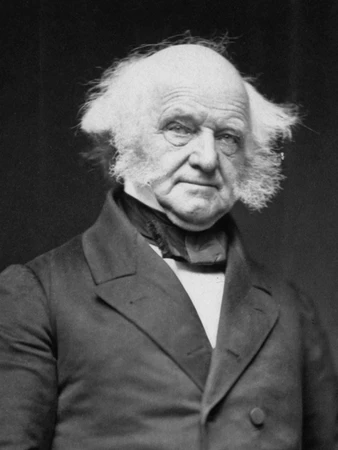
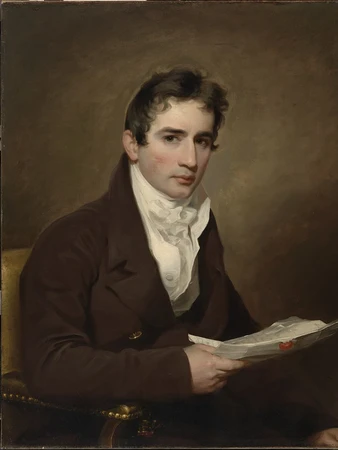
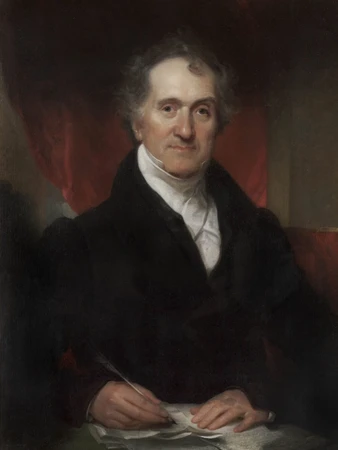
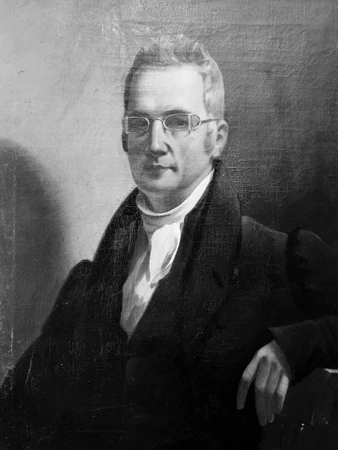
By this point every state had switched to a popular vote method for their electors, except for South Carolina, which stayed voting via the state legislature till 1860; John Floyd never campaigned, but got 11 electoral votes from South Carolina as part of the Nullifier party.
| Candidate | Party | Votes | Chance |
|---|---|---|---|
| Andrew Jackson | Democratic | 701,780 | 55% |
| Henry Clay | National Republican | 484,205 | 38% |
| William Wirt | Anti-Masonic | 100,715 | 8% |
Jackson was now running for an unprecedented 3rd term, Adams, who had been his main opponent in the last 2 elections didn't run again, instead we see Henry Clay give Jackson another go, while Van Buren steps up as the replacement to Calhoun.
Jackson, having won the last 2 elections, believes luck is on his side, pacing around the streets of Washington claiming that the hat talks to him, and that they have a good rapport, perhaps too much whiskey...
The ceremony begins and the hat (which does not talk) spits out a paper, two words: Henry Clay!
The reign of Jackson is over, but Clay was no saint either, know as the Great Compromiser, it's not likely Clay would have pushed much for abolitionism.
Clay supported a stable, regulated economy and thus we most likely don't have a Bank War, and possibly also avoid the Panic of 1837.
With Jackson out, it's possible the Whig party never forms, or at least, never becomes as strong, although it's equally possible it forms even earlier, seeing as Jackson entered the presidency 4 years earlier then our timeline.
Election of 1836
The two blood and controversy filled terms of Jackson united most of the opposition into the newly formed, but not yet fully organized Whig Party, who fielded 4 different candidates to face the incumbent vice president Van Buren.
Their strategy was to force a contingent election by not allowing Van Buren to gain a majority of electoral votes, William Henry Harrison was the main northern Whig candidate and Hugh Lawson White was the main southern one.
The primary issue was once again the issue of slavery, thanks to events like Nat Turner's Rebellion, the fearmongering around free Blacks increased, with many being unfairly persecuted or killed in retaliation, and them losing some of the few rights they had. Calhoun called out Van Buren as not being trustworthy to protect southern states rights.
In the end however Van Buren won a majority in both the popular vote and electoral college, this was however a valuable step for the organization of the Whigs, with Harrison becoming next election's front runner for them.
Candidates
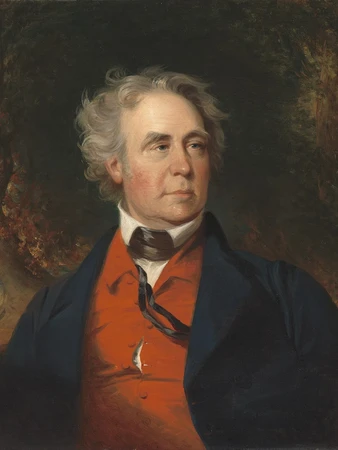
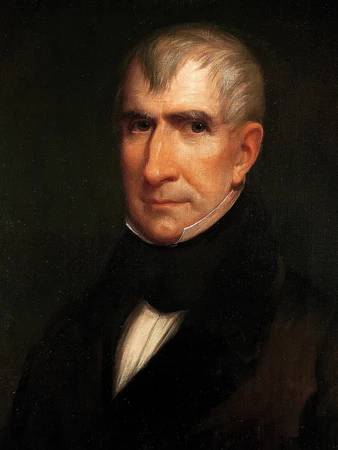
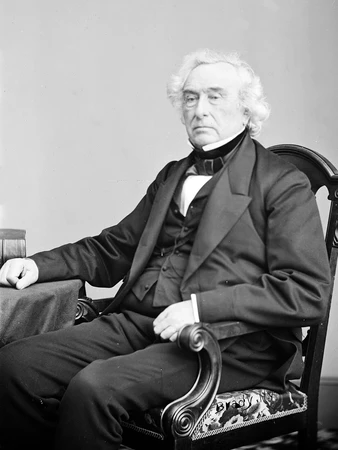
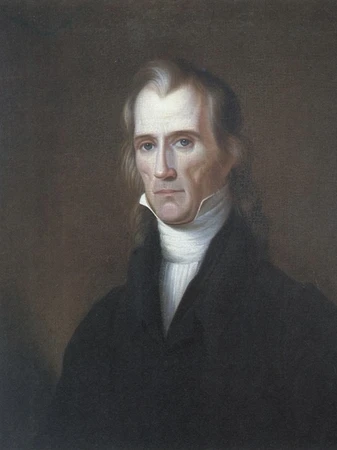
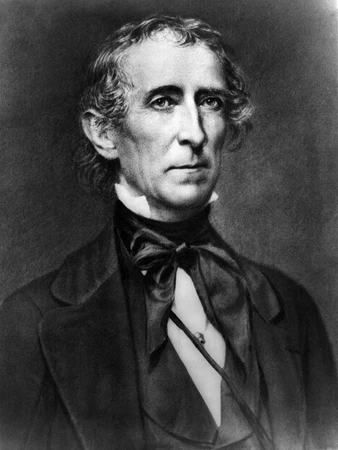
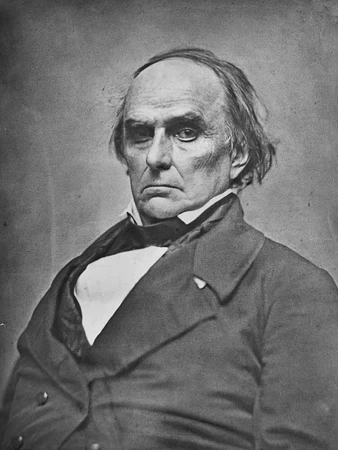
Willie P. Mangum was awarded 11 electoral votes by South Carolina's legislature, but he hadn't appeared on the ballot anywhere.
| Candidate | Party | Votes | Chance |
|---|---|---|---|
| Martin Van Buren | Democratic | 764,176 | 51% |
| William Henry Harrison | Whig | 550,816 | 37% |
| Hugh Lawson White | Whig | 146,107 | 10% |
| Daniel Webster | Whig | 41,201 | 3% |
Clay chose not to re-run for office, partially due to the grief from his daughter's passing, this left the door open for Whig candidates such as Harrison and White to try their luck against the Democrats.
Van Buren would be running as their candidate this time, who lacks the popularity of Jackson, but also a lot of people's distain.
The votes are cast! The hat is in place! Bystander is blinded! Paper is lifted! Name is read! What does it say? William Henry Harrison!
This time he actually gets a full term instead of barely 1 month.
We know very little about what Harrison would do as president, mostly from his lengthy inaugural address.
Although his presidency would most likely be very hands-off, continuing down Clay's economic program and not prodding the issue of slavery.
Election of 1840
Harrison, (now the Whig's official candidate) faces off again with Van Buren, key issue being the economic crisis caused by the Panic of 1837.
While there were many foreign and domestic causes for the crisis, Jackson's decision to not renew the Bank of the United States' charter certainly played a hand in exacerbating the problems, and thus Jackson, and by extension Van Buren, were blamed for the problem.
Harrison easily won over Van Buren, never addressing serious issues, he mostly won over by portraying himself as one of the people and Van Buren as an out of touch elite. The slogan and song Tippecanoe and Tyler Too was used to great effect by the Whigs.
Candidates
Johnson wasn't the official running mate of Van Buren this time, but he did receive the majority of the electoral votes for his VP with 48. Littleton W. Tazewell (amazing name), and James K. Polk earned 11 and 1 respectively.
| Candidate | Party | Votes | Chance |
|---|---|---|---|
| William Henry Harrison | Whig | 1,275,583 | 53% |
| Martin Van Buren | Democratic | 1,129,645 | 47% |
More important matter is the Panic of '37, which most likely still occurs, although mitigated by Harrison's economic policies. Perhaps the revival from the crisis occurs a lot faster, benefiting Harrison as he is seen as preventing a possible disaster.
Van Buren has now run twice (as both a presidential and vice presidential candidate), both times unsuccessfully, he is eager to get into office, and even goes to Washington himself to see the results.
Harrison and Van Buren see each other from afar, but refuse to talk, instead closely watching the ceremony.
Of the two men, just one can be president, and that one is... Van Buren!
Van Buren and Harrison do a straight swap in this timeline, although the actual loser is Tyler, who never gets his term now.
Harrison's death soon after the election only boosts confidence in Van Buren supporters, and leaves the Whigs to prepare for the next election.
Tyler's presidency saw the border of Maine finally get settled, steps towards expansion in the west and specifically Oregon Territory, opening relations with Hawaii, and most importantly the building up of support and pressure to annex Texas, something both the Whigs and Democrats avoided. While western expansion would most likely still occur under Van Buren, it's not likely any steps would be made toward Texas' annexation.
Election of 1844
In the final days of Tyler's term he was able to drum up support for the annexation of Texas, thanks to help from Calhoun. They made out the annexation as key to keeping the institution of slavery alive, and thus guaranteed support from the South.
Both parties had been keen to avoid a war with Mexico over Texas, but now they risked losing the South entirely. Every candidate had to face the issue if they wanted a chance to win, the Whig's chose longtime party leader Henry Clay, while the Democrats, chose James K. Polk over former president Van Buren, mostly over the fact Van Buren opposed Texas annexation, while Polk was keen on the idea of Manifest Destiny.
Tyler, an independent now, dropped out of the race and endorsed Polk, the rhetoric of Manifest Destiny gave much larger appeal to the Texas issue, as it was now seen as a step towards westward expansion, instead of a way to keep slavery alive.
Polk narrowly won out over Clay, who confused and alienated voters due to his bipolar attitude towards annexation.
Candidates
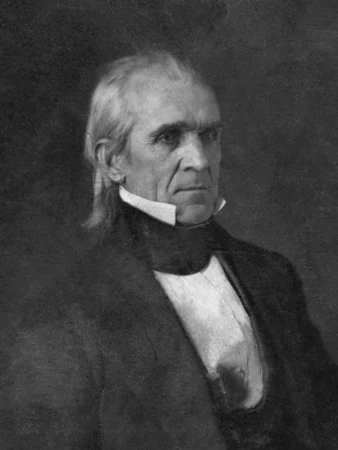
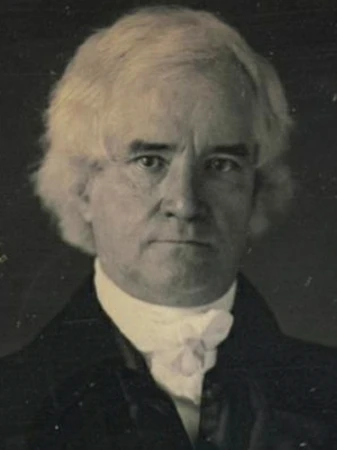
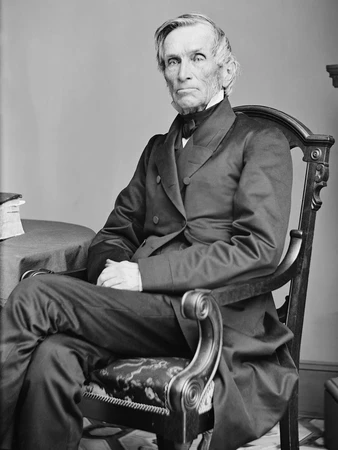
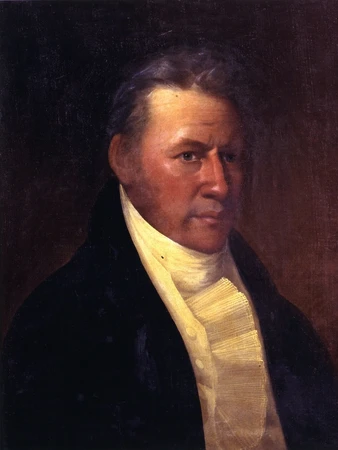
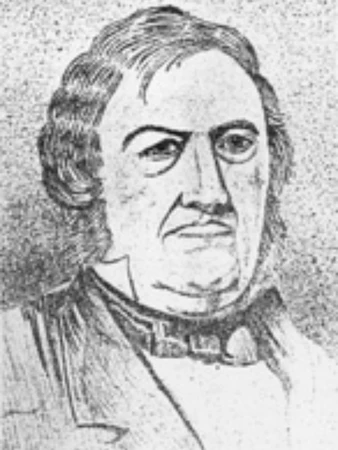
Clay had been a major candidate in 3 of the last 5 elections, spanning 20 years, the longest amount of anyone so far.
Also yes that's the only picture of Morris.
| Candidate | Party | Votes | Chance |
|---|---|---|---|
| James K. Polk | Democratic | 1,339,494 | 50% |
| Henry Clay | Whig | 1,300,004 | 48% |
| James G. Birney | Liberty | 62,103 | 2% |
Once again it's tough to surmise how we reached this point, with Van Buren as president, Tyler never has the power to pull strings with Texas, but Texan interest in union is still high, so southerners like Calhoun could still drum up support as a means to preserve slavery, this gives the pathway for Polk's nomination.
There is a nervous spirit in Washington, some are excited and ready for war, and some fear what is to come, all lays on the shoulders of a mere child, no older than 15 who's been chosen to pick a name from the hat, and sole winner is... James K. Polk!
In our work Polk doubled the size of the nation thanks to the Mexican-American War, but it's unclear if he would be as successful this time, with less support behind war, and possibly even no war at all.
Please let me know any mistakes I made, anything I could improve or do better in the next blogs, and most importantly your own thoughts on some of these alternate presidencies!
I've had to split this blog in 4-5 thanks to the 50,000 character limit, this one alone is the largest blog I've worked on and was a lot of fun!
Special thanks to Geographystar, MnGoblin, and iharding for help with this blog!
Part 2 coming soon(ish)!
I will say though, it's criminal to make a blog about the electoral college without including the byzantine ways EVs were distributed early on. Take Tennessee in 1796, for instance—the state was divided into three districts, and three folks from each county therein would form an EC-in-miniature to appoint the district's elector.
Also, it would be interesting to see a branching alternate history for this scenario. For one, it's unlikely Washington would've stood at all after losing once.
To be honest this initially was just meant to be a fun blog showcasing this goofy system I made, I didn't mean to actually focus so much on the real elections and the alternate history consequences.
But in the end I did and it's quite a mixed bag of ideas that I executed to varying degrees of success.
You are right in that I overlooked a lot and just in general kind of restricted myself.
I'm not sure if I'll continue this, but I might just make a showcase of the complete results, and then we'll see.