
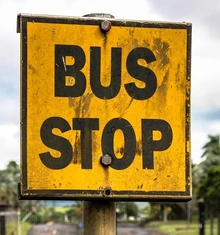
Bus Stops
First published: Sunday January 4th, 2026
Report this blog
Introduction
Bus stops. we've all seen them, some of us have even used them at some time or other. Whether it's a journey of a few miles or the start of an epic journey of many thousands of miles, some of them start at a bus stop. Well, they probably start at your front door, then a short walk, then the bus stop. But, you know what I mean! Don't be facetious!
Take a journey with me to discover all about the humble bus stop. From it's origins to the high tech world of today's mega stops.
What is a "Bus Stop" ?
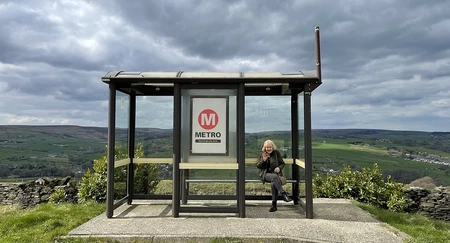
According to the font of all knowledge, Wikipedia, a "bus stop" is "a place where buses stop for passengers to get on and off the bus". Well done Wikipedia, I'd never have thought of that.
Bus Stops vary in design from the humble sign on a pole to elaborate air-conditioned spaces, it all depends on the usage at that particular spot on the road. There is often basic seating, some form of shelter and often, an information board with timetables. Sometimes a rubbish bin is present too.
If we take Wikipedia's description to the extreme, bus stations and terminals can also be classified as a "bus stop", after all the buses stop there, and passengers get on and off!
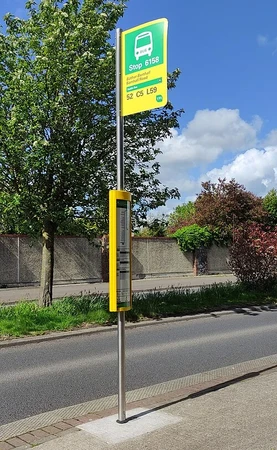
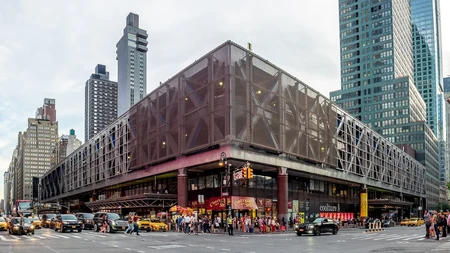
There are several types of bus stop, I don't mean the construction that's way more and almost an infinite amount of designs, but the usage of the stops.
Some are designated as scheduled stops where the bus will stop whether there are people waiting or not. These are sometimes doubled up as timing points, where a bus will wait until it catches up to the timetable.
Other stops are known as request stops, where passengers must signal to the driver to stop. Good luck with that in some places!
There are also stops that are pick-up or set-down only, and some that are only on certain days. The latter is notably near to churches or other places of worship, where the bus stop may only be active on a Sunday.
So now we know what a bus stop is, where did it all start?...
History
From the earliest days there have been travellers, on horseback or in carriages, however the first recorded instance of a staged coach route is from the United Kingdom, Scotland to be exact, from 1610. However there are manuscripts describing a horse drawn coach from the 13th century in England. These scheduled stagecoaches were at their most popular prior to the arrival of the railways. They often called at coaching inns, similar to the one depicted opposite.
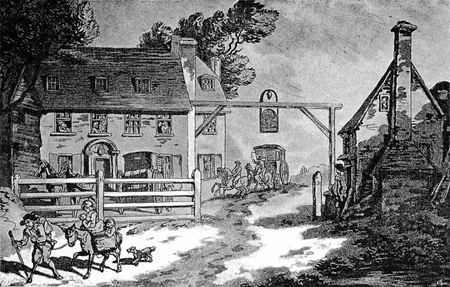
These coaching inns could be called the first bus stops. The bus, or in this case, a stagecoach, would collect passengers, drop of travellers, and change horses, at these inns. One famous coaching inn was the Angel, Islington (mentioned in my Monopoly blog recently, this isn't just thrown together you know!) where coaches started their journey from London to York. Other inns and routes sprang up all over Europe, and around the world before the invention of the railways made stagecoaches obsolete.
A list of stops was published for each route, and with improvements to road construction, stagecoaches could make journeys to a schedule. In 1750, the route from Cambridge to London took two days, by 1820 this had been reduced to seven hours! But, in this blog we're not concentrating on routes or modes of transport, just the stops.
Design
The basic design encompasses the area of road immediately next to the bus stop. A designated stopping area may be painted on the road, or a pull in for the bus off the main carriageway could be constructed.
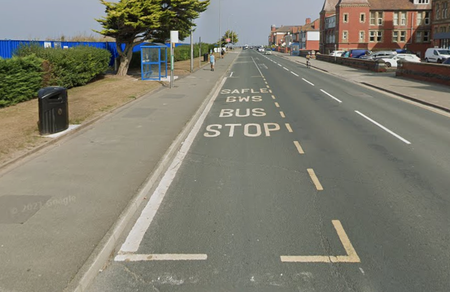
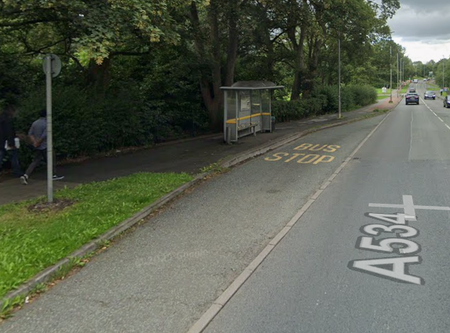
When designing a bus stop, many things have to be taken into consideration. The amount of passengers, the traffic density on the road, and the safety of pedestrians is always to the fore. But other smaller details must be thought about. The time it would take a bus to pull out into traffic, the local area particularly schools and hospitals, weather extremes, and wildlife must also be considered.
There are many different designs around the world, some just simple structures and others are more elaborate and may have a particular design that blends into the local area, or stands out in a more remote location. Either way, you can be relatively sure that the designer has considered you, as a passenger, as well as the driver of the bus and the rest of the population too.
Gallery
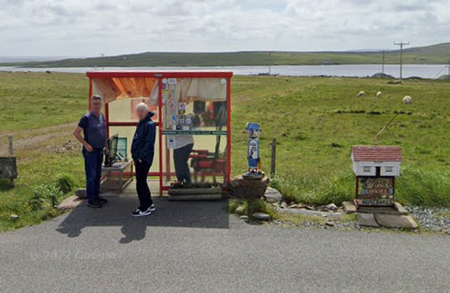
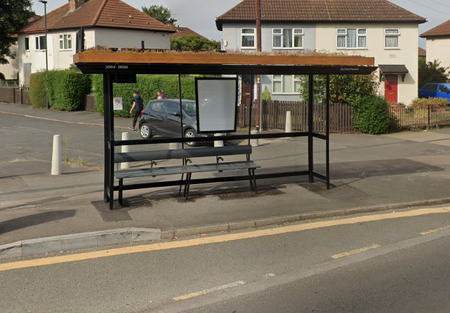
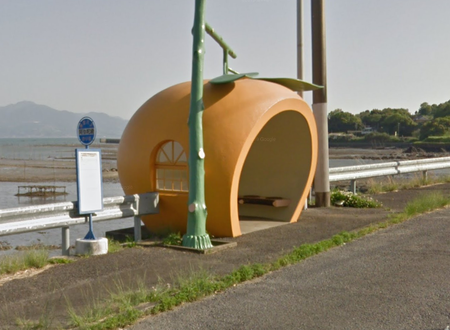
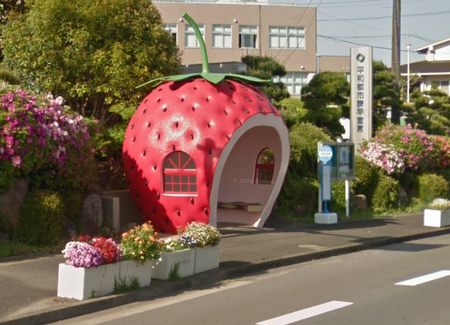
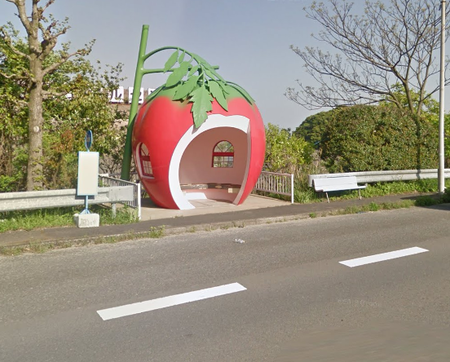
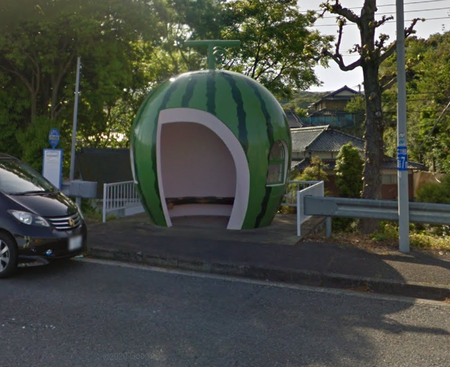
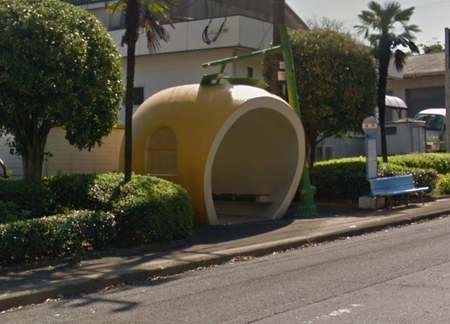
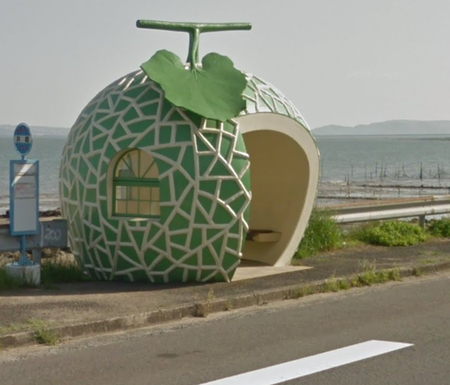
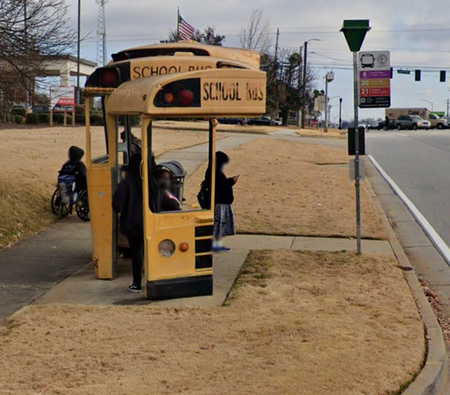
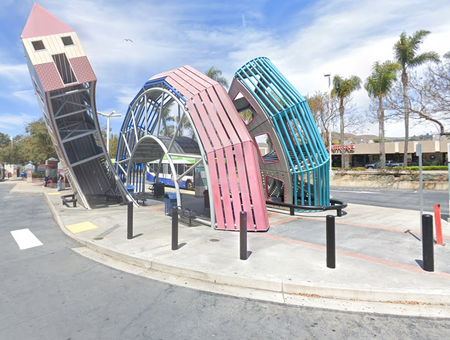
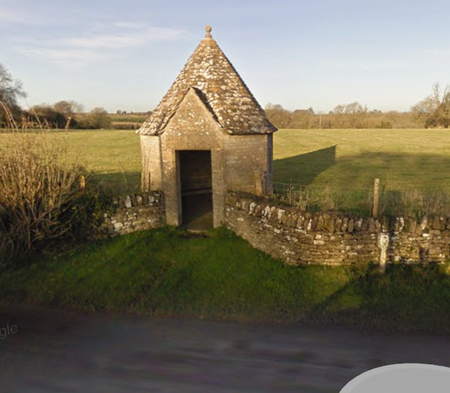
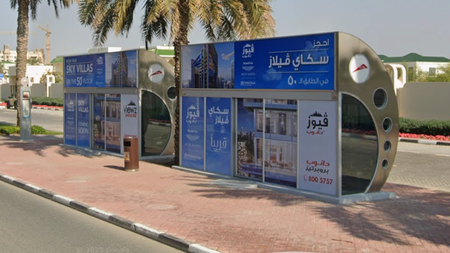
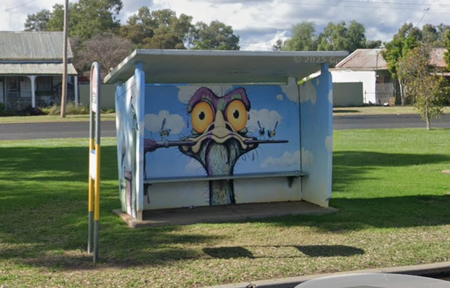
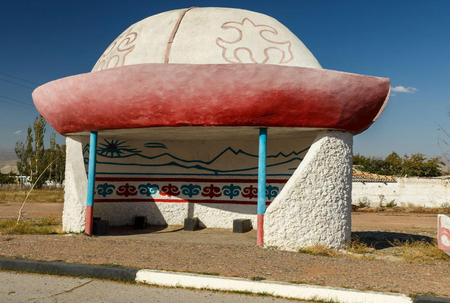
Conclusion
Bus stops are as varied as the people that frequent them, the pictures above are just some of the weird and wacky bus stops you can find around the world. Why not spend a couple of hours, just using Google Street View to see what you can find. These mundane structures are often used as a showcase for local artists, although others are blighted by local graffiti artists that are a little less than talented.
I'm sure you'll find something interesting, if you do and you want it featuring in the gallery, just let me know where you saw it, (Street name and town would be helpful) and I'll screenshot it and add to the gallery in a similar way as the aforementioned road sign blogs.
If you want to check out any of the other On The Road blogs, just click on the link!
Thanks for reading this short blog, see you next time!
Amazing blog!
Then it's a two hour drive using two more ferries until you get to the northernmost island of the UK, Unst.
Although you are in the UK, you're nearer to Oslo than London.