
Country and Flag Origins - Part B
Last updated: Monday March 17th, 2025
Report this blog
Introduction
Why do I keep writing an introduction to each of my blogs? I've no idea, it's just traditional now I suppose. I never know in advance what to write/type, it just flows from my addled brain, although I don't think "addled" is the right word, I'm not confused at all. Perhaps a better word would be "eclectic", yup, eclectic it is. I know lots of things about lots of stuff, but definitely not lots about one thing. You see, there I go wandering about in an eclectic way, and not mentioning the job in hand at all.
Welcome to Part B in this series of blogs. All of the countries beginning with the letter B, all seventeen of them, let's hope they all fit in the character limit. All of the continents are represented, apart from Oceania that is bereft of B countries. We also visit Quizmasters nemesis, no not Orcspel, but Belgium. That small European country that he somehow holds a grudge against. Who knows what went on there? Do we want to know? I think it's best that we are left in the dark about QMs reasons for the hatred. I've been to Belgium many times, and it's not all bad. Although the statue of the little boy having a wee is a tad disappointing, the Atomium is awesome. But I digress again, let's get onto the main feature....
(The) Bahamas
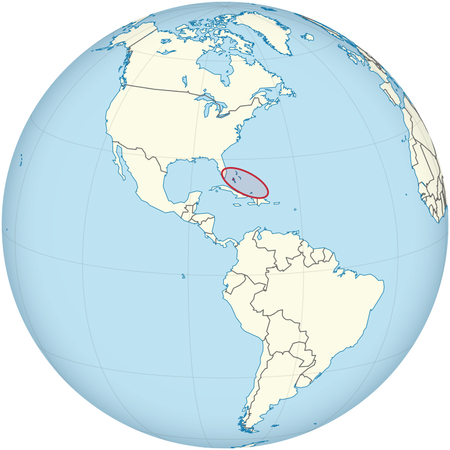
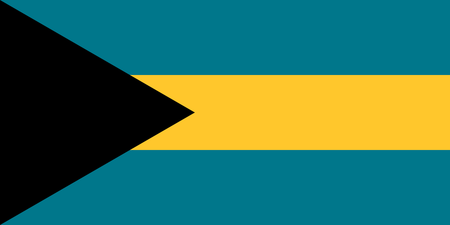
The current flag was adopted in 1973 to replace the British ensign style flag when the country gained it's independence. The flag contains elements that were decided in a competition prior to the country's independence. The gold colour represents the sun and natural resources of the islands, while the aquamarine depicts the surrounding seas. The black triangle symbolises the "strength, vigour and force" of the Bahamian people, whilst the triangle shape pointing at the gold stripe depicts their "enterprising and determined" nature to cultivate the natural resources of the land.
The Bahamas are one of only two nations to have "The" at the beginning of their name, the other being The Gambia. The name Bahamas derives from the Lucayan language spoken by the indigenous Taino people. They called the main island Bahama meaning "large upper middle island". Eventually the whole archipelago came to be known as The Bahamas. Tourist guides often state that the name comes from the Spanish Baja Mar meaning "shallow sea", but this is just folklore.
THE BAHAMAS = THE ISLANDS
Bahrain
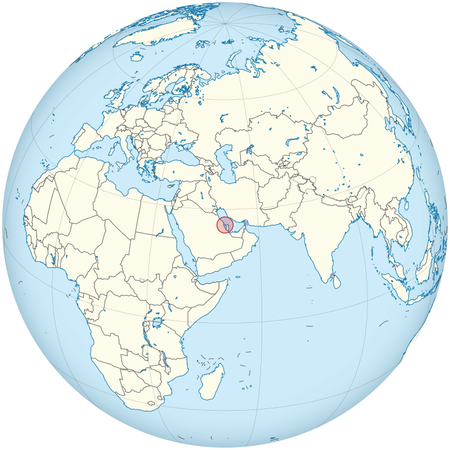
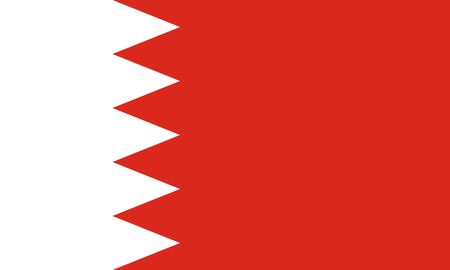
The flag of Bahrain is sometimes mistaken for the flag of Qatar, but there is a difference in the red colour, Qatar's is a darker maroon. The red of the flag represents the blood of the martyrs and the battles of Bahrain, and the white denotes peace. The five white triangles giving the impression of a serrated edge refer to the five pillars of Islam. The original flag did not have a serrated split, however this was added to differentiate with neighbouring flags. Originally there were twenty-eight white points, reduced to eight in 1972, and then reduced to five in 2002.
The name Bahrain is an anglicised version of the Arabic name, al-Bahrayn, which translates as "two seas". Quite which two seas it refers to are unclear. Is it the bays to the east and west of the island, or the seas north and south of the island, or even the fresh and salt water available above and below land. There is a theory that the seas were "The Great Green Ocean" or Persian Gulf, and Al-Asfar Lake on the eastern Arabian mainland, an important shallow wetlands in the region.
BAHRAIN = TWO SEAS
Bangladesh
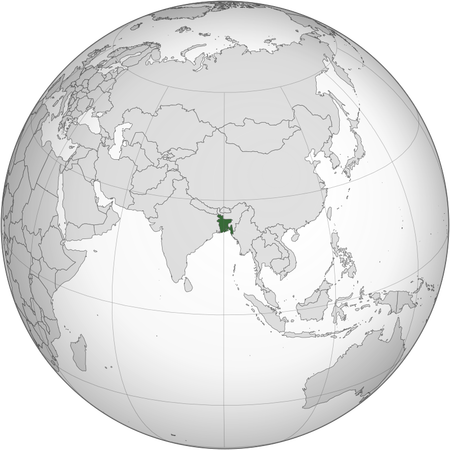
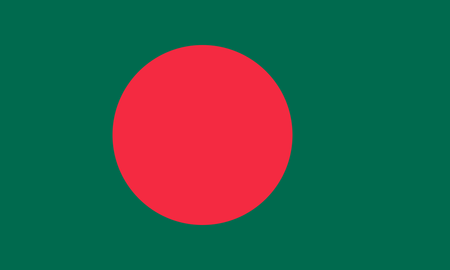
The national flag of Bangladesh was adopted in 1972 following the nations War of Independence against Pakistan. During the war the flag had a map of the country in yellow inside the red circle. Despite many theories, the green signifies the lush landscape of Bangladesh, while the red circle represents the sacrifices made by the people during the Independence War. The circle is slightly offset towards the hoist side (where the pole is) so that it appears central when flying.
Prior to independence, Bangladesh was known as East Pakistan, and was a part of that country. The present name is thought to derive from Bengali, the meaning of which is unknown, but is thought to come from the tribes that lived in the area many centuries ago. Bangladesh literally means "Bengali Country"
BANGLADESH = BENGALI COUNTRY
Barbados
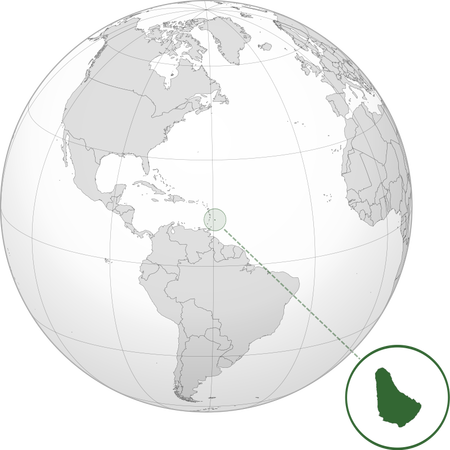
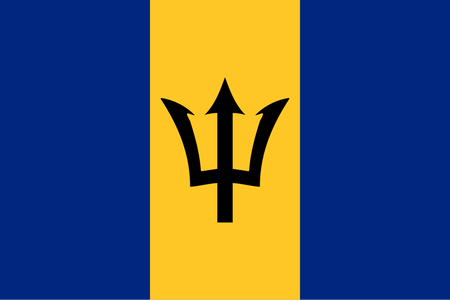
The flag of Barbados was introduced on their day of independence in 1966. It was designed by a local artist who beat over a thousand other entries in a competition held prior to the independence. The blue stripes represent the sea and sky and the yellow the sand. The trident is a symbol of Poseidon, that was on the island's coat of arms. However it is depicted as broken from the lower staff to signify the islands breakaway from the colonial rule of the British Empire.
The origin of the name of Barbados is similar to Barbuda we discussed in the previous blog. It comes from either the Portuguese, os barbados or from the Spanish los barbados. Both have the same meaning of "the bearded ones". It is thought that it refers to one of three things, either the local indigenous population, the local fig trees, or the way the surf covers the reefs.
BARBADOS = THE BEARDED ONES
Belarus
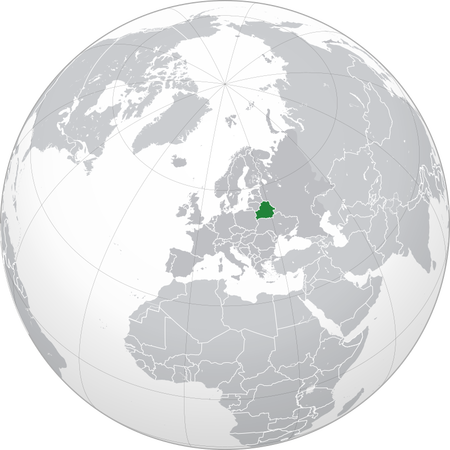
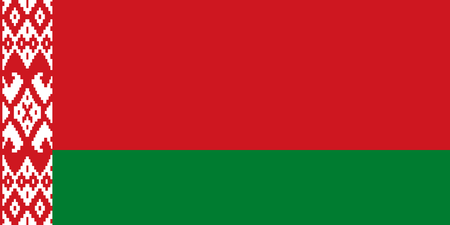
The Belarus flag was first raised in 1995 by a Presidential decree, it is however, vey similar to the flag that was used when Belarus was a Soviet republic. Then it had a hammer and sickle in the red stripe. It is said that the red stripe represents freedom and the sacrifice of the nation's forefathers, while green represents life. The red on white vertical design on the pole side of the flag is a traditional Belarusian decorative pattern that was designed in 1917, derives from flowers and plants of Belarus. The design is used in ceremonial robes, and at weddings and functions nationwide in the form of a ruchnik, a traditional ceremonial cloth.
The name Belarus derives from the term Belaya Rus' and means "White Russia". There are several theories about the origin of why it is called "White Russia". The main ones are that it refers to the white clothing worn in the region, or the fact that the area was one of the first to embrace Christianity. It could also be the fact that the west was referred to as white and Belarus was in the west of Russia.
BELARUS = WHITE RUSSIA
Belgium
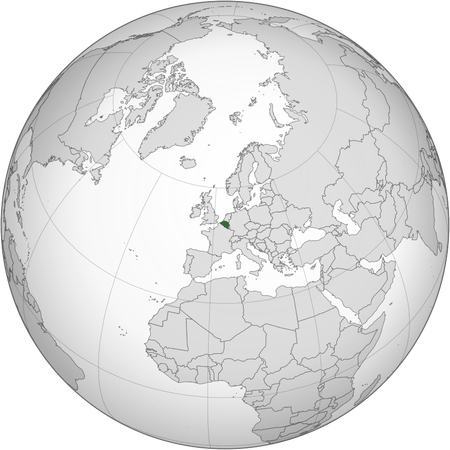
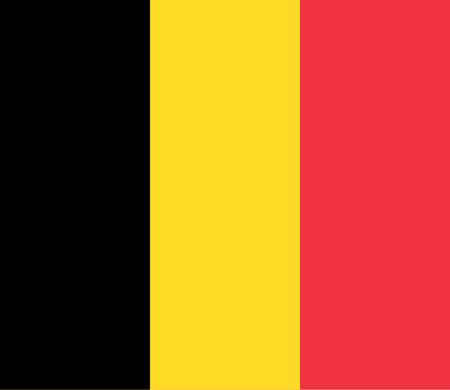
And so to Quizmaster's favourite country. The tricolour flag of Belgium dates back to 1831 and uses the colours of the duchy of Brabant that dates back to 1183 and was a state of the Holy Roman Empire. The colours are said to represent three lions, the black lion of Flanders and Namur, the yellow lion of Brabant, and the red lion of Hainaut, Limberg and Luxembourg.
The name, Belgium, can be traced back to the times of Julius Caesar. The inhabitants of the northern part of Gaul, which stretched as far as the Rhine in what is now Germany, were known as Belgae and the land became known as Gallia Belgica. But, Caesar also referred to the region by the Latin name of Belgium.
BELGIUM = LAND OF THE BELGAE
Belize
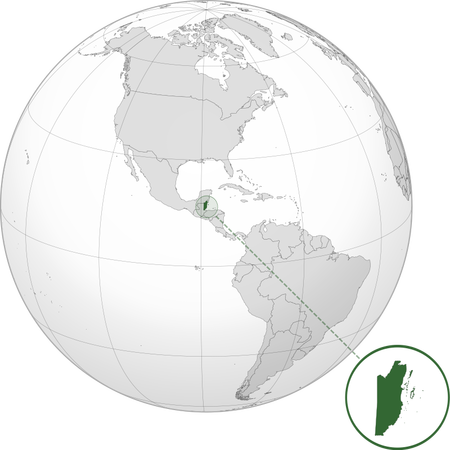
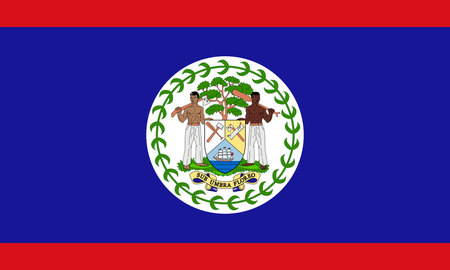
The flag of Belize was adopted in 1981 following the country's independence. The Coat of Arms in the centre depicts the country's logging industry that first drew the British to settle there. The national motto, Sub Umbra Floreo, meaning "Under the Shade I Flourish" is written under the figures. Incidentally, this flag is the only national flag to depict human figures, although Malta does have a depiction of Saint George on their flag. The blue and red colours denote the two political parties of the country, blue for the Peoples United Party and red for the United Democratic Party. The fifty leaves around the Coat of Arms signify the year 1950, when the P.U.P. first came to power.
The name of Belize is thought to derive from the early settlers names for the rivers in the country, one of which was called Rio Balis, now referred to as the Belize River. It is thought the name comes from a Mayan word meaning "muddy waters". In the 1920's, a theory was invented that a Scottish buccaneer or pirate, Peter Wallace, settled in the area and the Spanish pronunciation of his name resembled Belize. However, there is no evidence of any pirate settling in the area and it is thought that Wallace himself is just a myth.
BELIZE = MUDDY WATERS
Benin
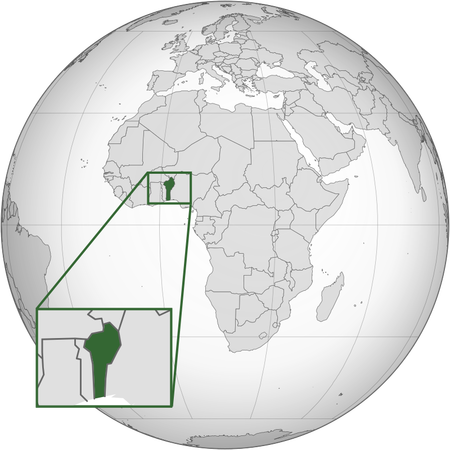
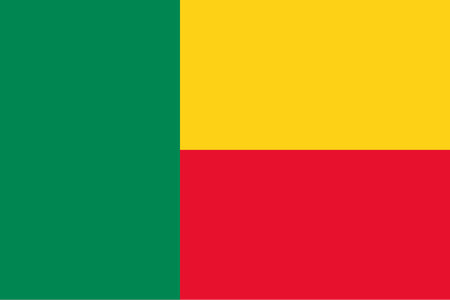
This flag was originally the flag of Dahomey, the name for Benin prior to when it was a French colony. During the French era, the national flag of France was flown. Upon independence, Benin adopted the old flag, but lost it for a matter of fifteen years following a coup d'etat in 1975. Then a green flag with a single red star was flown. In 1990, the current flag was readopted for the nation. The three colours are a symbol of the Pan-Africanist movement, but on a national level they represent hope (green), courage (red) and treasures of the nation (yellow). The colours are also a symbol of respect to Ethiopia, which has the same colours on it's flag, the oldest independent country in Africa.
Benin takes it's name from the area of sea bordering it's shores, the Bight of Benin. This bay in turn derives from the Kingdom of Benin which is in present-day Nigeria. This is why there is a Benin City in Nigeria, it has nothing to do with Benin itself. The origin of the name Benin is thought to have come from a Portuguese variant for the name of the local area, Ubini. But the Benin we are concerned with is named after the sea.
BENIN = NAMED AFTER BIGHT OF BENIN
Bhutan
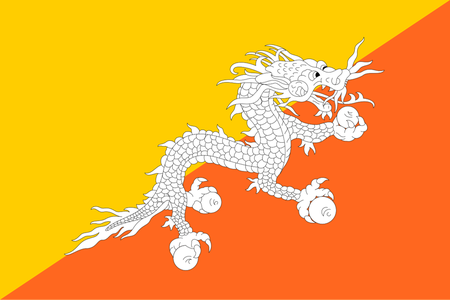
This version of the flag of Bhutan replaced a similar one in 1969. The previous flag had a green dragon. The yellow signifies civil tradition and authority, and the orange represents the Buddhist spiritual tradition. The dragon is equally across the line between the two background colours signifying the equal importance of civil and religious traditions, as well as the strength of the bond between monarch and people. The white colour of the dragon represents the purity of thoughts and deeds of the people. The dragon is holding jewels in its claws to show the wealth of the country and it's snarling mouth symbolizes the Bhutanese deities' commitment to the defence of Bhutan.
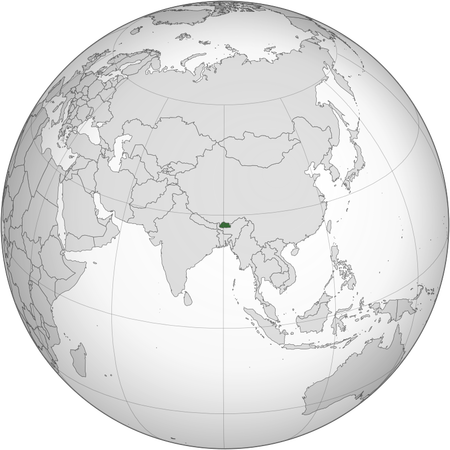
The name Bhutan only appears in official English language correspondence in the country, otherwise the name is Druk yul. The origin of Bhutan is unclear, but it is thought to have come from the Sanskrit, Bhoṭa-anta meaning "End of Tibet" referring to Bhutan's location at the southern end of the Tibetan Plateau. Druk yul has been the official name of Bhutan since the 17th century and means "Land of the Thunder Dragon". I know which I prefer!
BHUTAN = END OF TIBET
DRUK YUL = LAND OF THE THUNDER DRAGON
Bolivia
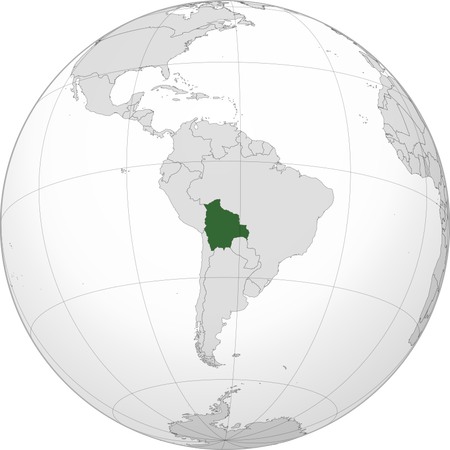
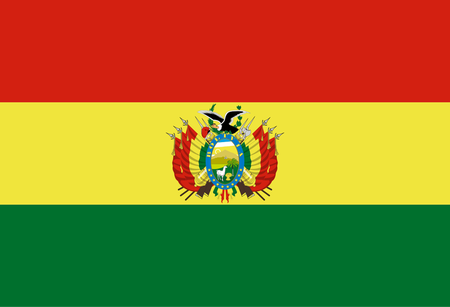
The Bolivian flag has been in use since 1851. It contains the Coat of Arms of the country in it's centre. According to government decree, red represents "the blood shed by our heroes for the birth and preservation of the Republic", yellow represents "our wealth and resources.", and green represents "the richness of our natural areas as well as hope, a foundational value of our society". The Coat of Arms in the centre depicts many parts of Bolivian life, from the rising sun behind the mountains to the llama in the field, it is surrounded by Bolivian flags and cannons.
Bolivia was named in honour of Simon Bolivar, a Venezuelan leader in the Spanish American Wars of Independence. It was originally named Republic of Bolivar, until a congressman, Manuel Martín Cruz, suggested changing the name to Bolivia. His reasoning was that, in his words,"If from Romulus, Rome, then from Bolivar, Bolivia"
BOLIVIA = NAMED AFTER SIMON BOLIVAR
Bosnia and Herzegovina
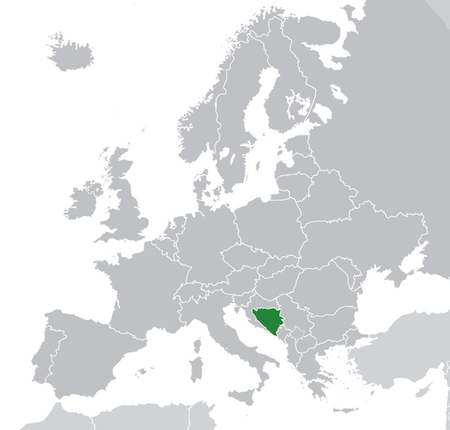
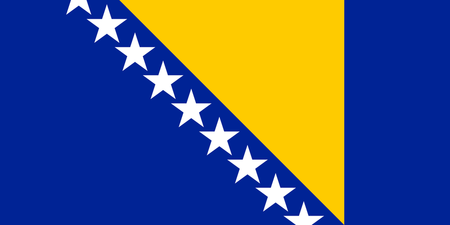
This national flag was adopted in 1998. The three sides of the triangle represent the three main ethnic groups of the country, the Bosniaks, Croats, and Serbs, whilst the triangle itself signifies the genral shape of the country. The colours of blue, yellow and white are often used to signify neutrality and peace, however they are also traditionally associated with Bosnian culture. The stars are meant to be infinite in number, which is why they appear to carry on out of the flag. They also symbolise Europe, and with the blue colour they are similar to the flag of the European Union.
Obviously we can seperate the name into two constituent parts, Bosnia and Herzegovina. Firstly, Bosnia derives from the name of a river, the Bosna, that runs through the region. The Bosna name in turn comes from the Illyrian language and means "running water". The Herzegovina part of the name comes from he German word for "Duke" and "land". It means "Herzog's Land" and refers to a 15th-century Bosnian magnate, Stjepan Vukčić Kosača, who was known as "Herzog of Hum and the Coast"
BOSNIA AND HERZEGOVINA = RUNNING WATER AND HERZOG'S LAND
Botswana
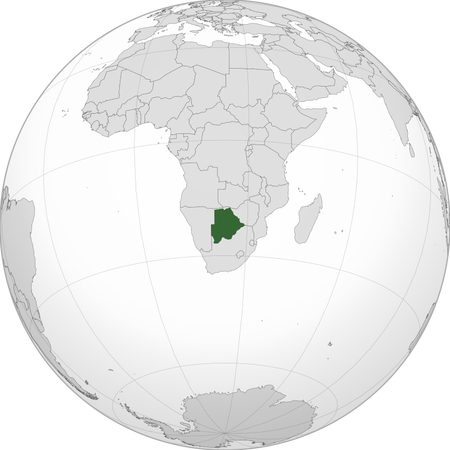
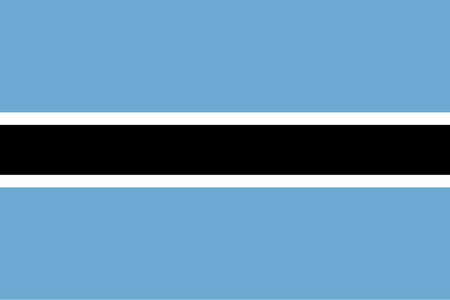
Botswana adopted this flag in 1966 to replace the Union Flag of the UK, and is one of the few African flags to not feature the colours of the Pan-Africanist movement. The blue of the flag is meant to represent the sky and water, which is a scarce commodity in the country. The black band within the white stripes has two meaning. It symbolises the racial diversity of Botswana, and the harmony and cooperation between the people of various races.
The name of Botswana comes from the indigenous people that live on the land. It derives from the Tswana tribe that were agriculturalists and keepers of the Batswana cattle. The name therefore, means "Land of the Tswana"
BOTSWANA = LAND OF THE TSWANA
Brazil
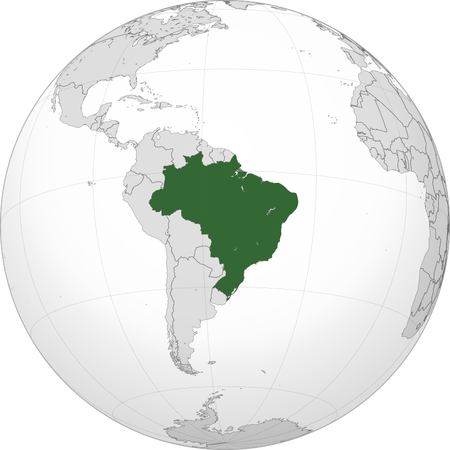
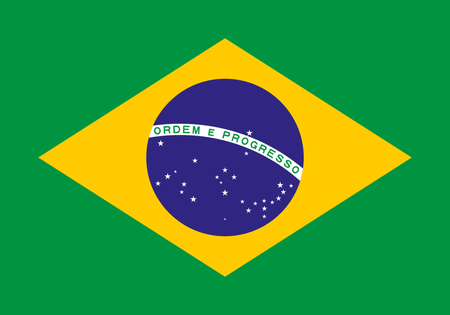
The current flag of Brazil traces it's origins from the flag of the Empire of Brazil, which features the green background and the yellow rhombus, along with a coat of arms. This flag has been in use since 1889 but with some small changes, it originally had 21 stars, but now has 23. The stars represent each of the Brazilian Federal Units (or states) and their size and position is designed to reflect the state, the bigger the state, the bigger the star. The line around the blue circle symbolises the Equator, with one star to the north being representative of the state of Para. According to government decree the stars must be in a certain position to represent the sky that was seen above Rio de Janeiro on the day of Brazil's independence, hence the blue night sky circle. An extra star is added whenever a new state is founded. The green represents the House of Braganza of Pedro I, Brazil's first emperor and the yellow represents the House of Hapsburg of his wife, Empress Maria Leopoldina. The motto Ordem e Progresso means "Order and Progress".
The name "Brazil" is thought to come from the Portuguese language word for the Brazilwood tree, pau-brasil. Brazilwood produces a deep red dye that was popular in Europe in the 16th century. It was one of the country's earliest exports, and was shipped to Europe in vast amounts. So much so that early sailors christened the country "Land of Brazil" because of the trade in brazilwood.
BRAZIL = NAMED AFTER THE BRAZILWOOD TREE
Brunei
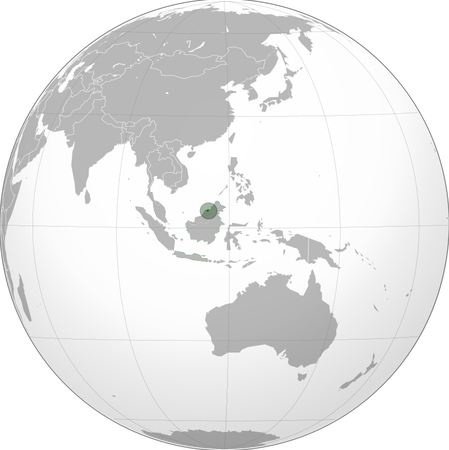
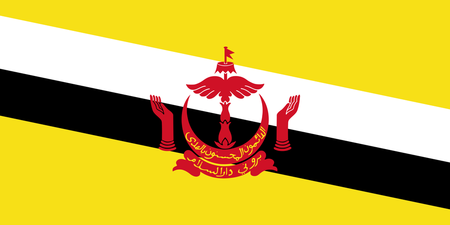
Brunei's national flag has been in use since 1906 when the country was a British protectorate. The yellow symbolises the monarchy, whilst the white represents the wazir's purity. (A wazir is a royal dignitary that ranks just below the sultan.) The black represents strength and determination. The symbol in the centre of the flag is the national emblem signifying unity and support for the government. It's red colour symbolises bravery. The motto "Sentiasa Membuat Kebajikan Dengan Petunjuk Allah" meaning "Always Render Service with God's Guidance", is inscribed in yellow Arabic writing.
According to local historians, the name of Brunei comes from an early settler that became Sultan Mohammed Shah. Legend has it that on arrival he exclaimed "Baru nah" which translates to "That's it!", meaning that is the place to settle. The country's full official name is Negara Brunei Darussalam meaning "Country of Brunei, place of peace".
BRUNEI = THAT'S IT
Bulgaria
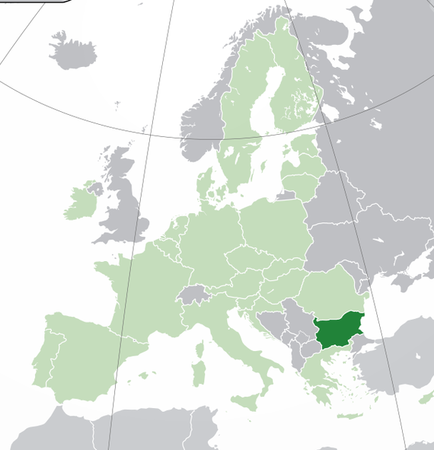
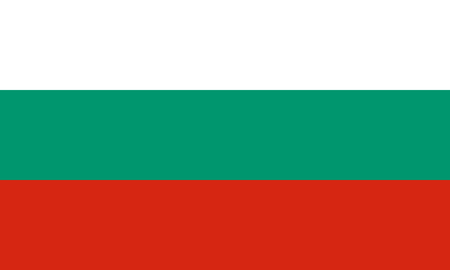
The flag of Bulgaria was first adopted in 1879 after their independence following the Russo-Turkish War of 1877-1878. During the Communist era, the flag had a Coat of Arms in the top left corner. The white colour represents peace, love and freedom, the green colour symbolises the agricultural wealth of the country and the red emphasizes the military courage and struggle for independence.
The name of Bulgaria derives from a tribe of Turkic origin, the Bulgars. They founded the First Bulgarian Empire when a peace treaty was signed with the Byzantine Empire in 681.
BULGARIA = LAND OF THE BULGARS
Burkina Faso
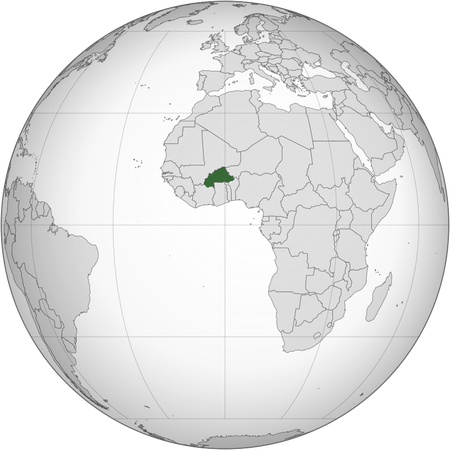
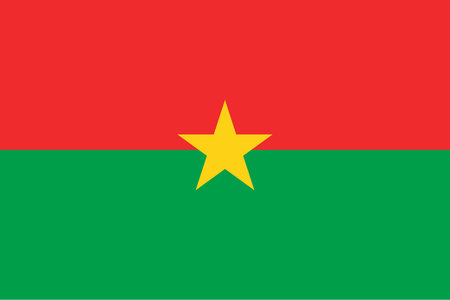
This country's flag was adopted in 1984 when the country changed from Upper Volta to Burkina Faso when independence form France was achieved during a coup. The flag uses the colours of the Pan-African movement, symbolising the country's break in the colonial past and it's unity with other African nations. The red represents the revolution, whereas the green signifies the agricultural and natural riches. The yellow star represents the guiding light of the revolution.
The country's name stems from two languages spoken in the country. "Burkina" comes from the Mossi people and means "upright" meaning their proudness of their integrity rather than their stance. "Faso" comes from the Dyula language and means "Fatherland". Incidentally, the country's former name of Upper Volta reflects its position in the higher reaches of the Volta River. The CIA summarizes the etymology as "land of the honest (incorruptible) men"
BURKINA FASO = FATHERLAND OF THE UPRIGHT
Burundi
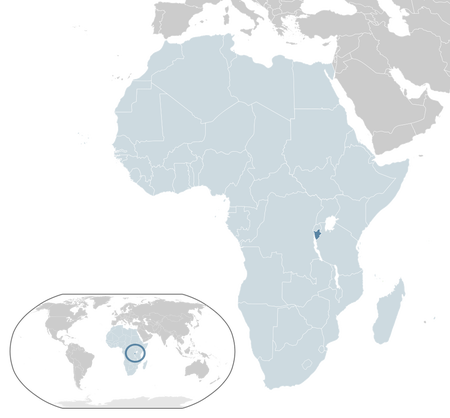
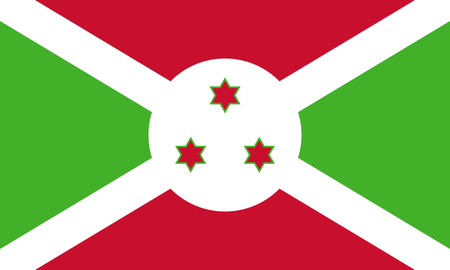
Burundi adopted it's flag in 1962 following it's independence from Quizmaster's favourite place, Belgium. The white cross, or saltire, represents peace. The red colour symbolises the suffering endured during the nations freedom struggle. The green reflects the nations hopes for the future development of the country. The three stars have three meanings. They firstly represent the three main ethnic groups of Burundi, the Hutu, the Twa, and the Tutsi. They stand for the three parts of the country's motto, Ubumwe, Ibikorwa, Amajambere ("Unity, Work and Progress"), and finally they symbolise the loyalty of the citizens in their pledge to their God, king and country.
Burundi was originally called Urundi before the arrival of the Belgians, and was named after the King of Urundi who ruled the region in the 16th century. When the Belgian Empire took over they took the name of the country, and it's former capital Usumbura, and simply added a "B" to the beginning of the names. Urundi is derived from a local language and means "Another One".
BURUNDI = ANOTHER ONE (WITH AN ADDED B)
Summary
Well, that was an epic. Seventeen countries. I hope you didn't get bored and fall asleep halfway through. The next one, Part C, is just as long. Unless the DRC is moved to Part D. Now the conundrum I have is that the Democratic Republic of the Congo features in two quizzes about "Countries starting with the letter..." You can see Here and Here that it is in both. So my dilemma is, which blog do I feature it in. There's no point putting it in both, that would be silly. But if I put it in Part D, does that mean that the Republic of the Congo should feature in Part R? Also then, should the Federated States of Micronesia be placed in Part F or Part M? Let me know your thoughts on this matter before I start compiling Part C. Oh, the tribulations of the blogging community.
So, anyway, that's your lot for this episode of the blog series. As ever I appreciate your comments and will do my upmost to reply to every one of you that takes the time to respond. Until next time, I shall bid you farewell and leave you with a quote from David Livingstone, the explorer that "conquered" the African continent...
"I determined never to stop until I had come to the end and achieved my purpose."
Quite apt that one I thought.
Bye for now!
Part S will be split into two because 26 countries is way too many. And M has eighteen, so I may split that too. I'll have a rethink.
An advantage of having more blogs is that I catch up with baptistegorce and Astana quicker!
Micronesia in M
Nice blog!
Funny how these elegant names can have such odd origins. Makes you wonder why we don't do much of it anymore (though I reckon that's because we've already named everywhere)…
Regarding the Caribbean beards, maybe a lack of decent barbers is to blame?
I have no problem with blatant advertising in my comments. As long as it isn't for a pyramid scheme all good!