
Country and Flag Origins - Part L
Last updated: Saturday April 12th, 2025
Report this blog
Introduction
Hello again children, I hope you're sitting comfortably. Good. Then we shall begin. Once upon a time, in a land far away.....wait, hold up. That's not this blog. I'm sorry, I seemed to have mixed you up with a class of 6 year olds.
Ahem, as I was saying, welcome to the next episode of "Fun with Flags" my blog series. This week we will explore the countries that begin with the letter L, all nine of them. As a consequence, this blog will be a little longer than the other recent ones, so I'll try to keep the waffle to a minimum. This may be a difficult task for me, for as you know, I tend to be a little garrulous at times.
So with that in mind, let's get on with our first L nation.....
Laos
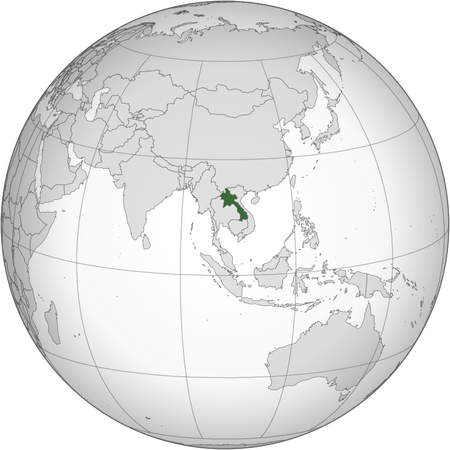
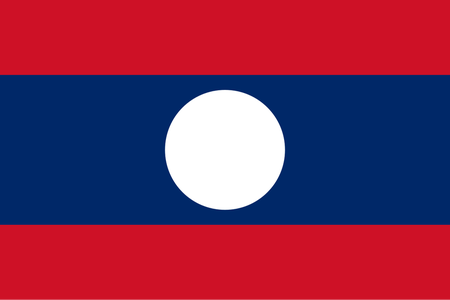
Adopted in 1945, the blue of the Lao flag symbolises the Mekong River that flows along the border and inland Laos. The red colours represent the bloodshed on both sides of the Mekong in the struggle for independence from France. The white disc in the centre stands for the unity of the people of Laos, and is also symbolic of the moonlight over the Mekong River.
The name of Laos was started by the French, who united the three Lao kingdoms into French Indo-China in 1893. The name is actually a plural of the main ethnic group, the Lao people. The origin of the name of the Lao is uncertain, but is thought to have originated in China during the Han Dynasty.
LAOS = NAMED AFTER ETHNIC LAO PEOPLE.
Latvia
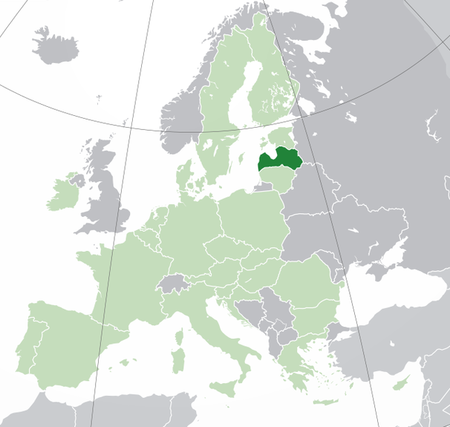
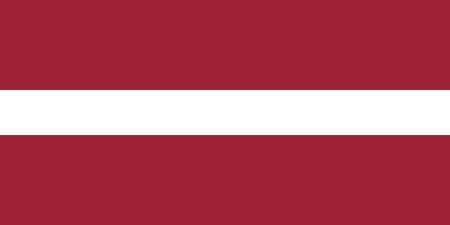
Latvia used this flag officially from 1918, however it has been in use since the 13th century, but during the Soviet era it was replaced with the "Hammer and Sickle". It was reinstated in 1990 following the break-up of the Soviet Union. The dark red of the flag represents blood, either for the readiness of Latvians to shed blood for their independence, or for the blood of an ancient Latvian leader, that when wounded in battle was placed upon a white sheet, the white colour representing the sheet that remained unsoiled by blood. This origin is similar to the etymology of the Austrian flag.
The name of Latvia derives from the name of a Baltic tribe, the Latgallians, previous names in various dialects were Lettigallia and Lethia, both derived from the Latgallian people.
LATVIA = NAMED AFTER THE LATGALLIAN PEOPLE
Lebanon
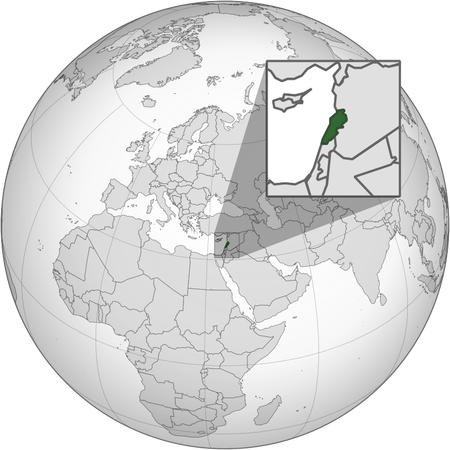
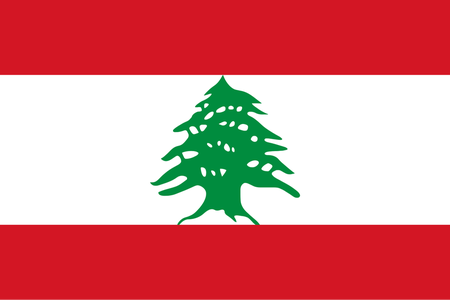
This flag was adopted shortly before the country's independence from France in 1943. The red colour represents the blood shed during the struggle for independence, whereas the white stripe is said to symbolise peace, purity, and the snow-capped mountains of Lebanon. The cedar tree has been a symbol of Lebanon for centuries, it is mentioned in the Bible and other religious texts. The tree is said to have been used for many purposes, it's sap was used in the mummification process in Egypt, and it's wood for shipbuilding amongst other purposes. It's green colour on the flag symbolises hope for Christians and salvation in the Islamic faith.
Lebanon's name comes from Mount Lebanon, the country's mountain range that has an Alpine climate. Lebanon comes from the Phoenician root of lbn meaning "white", presumably due to the mountain range's snow covered summits. The country took it's name from the mountain during the time of the Ottoman Empire, when it was known as the "Mount Lebanon Mutasarrifate". This evolved into Greater Lebanon, the Republic of Lebanon and then simply Lebanon.
LEBANON = NAMED AFTER MOUNT LEBANON = WHITE MOUNTAIN
Lesotho
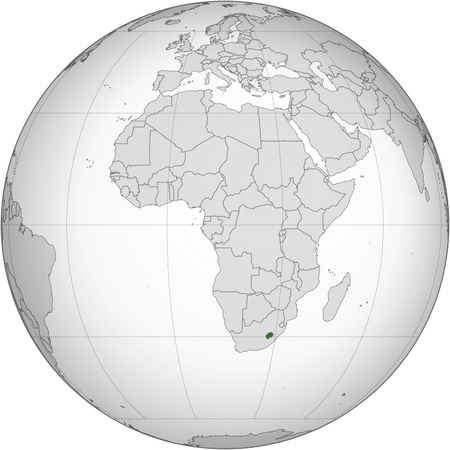
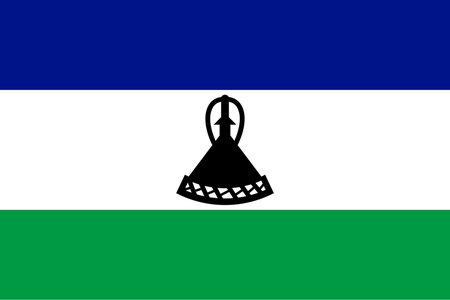
Lesotho's flag is a relative newcomer, it was first used in 2006 on the fortieth anniversary of the nation's independence. It replaced a flag that featured a shield and spears. The new design features a black Mokorotlo, a traditional Basuto straw hat. The change in design was to signify the country's internal peace and with it's only neighbour, South Africa. The black colour of the hat represents Lesotho's position as a black nation. The blue colour symbolises the sky or rain. The white stands for peace, and the green for prosperity.
Lesotho was founded by the wonderfully named King Moshoeshoe I in 1824. The country derives it's name from the Sotho ethnic group which makes up 99.7% of the country's current population. The official languages of the country are English and Sesotho.
LESOTHO = LAND OF THE SESOTHO SPEAKERS
Liberia
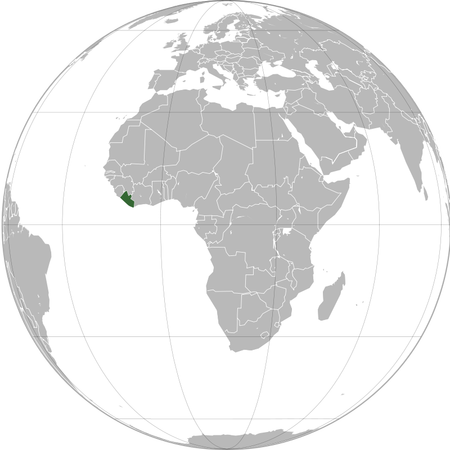
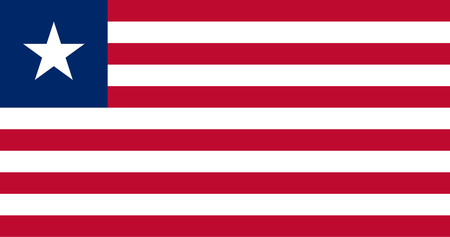
The similarity to the flag of the United States is not a coincidence. The nation of Liberia was colonized by freed slaves from the US and the Caribbean with help from the US government and private agencies. The eleven stripes represent the signatories of the Liberian Declaration of Independence whilst the red and white colour stand for courage and moral excellence. The white star represents the first independent republic in Africa, the blue square being the continent of Africa.
The name of Liberia derives from the Latin word liber meaning "free". This reflects the country's founding as a place for free former slaves.
LIBERIA = LAND OF THE FREE
Libya
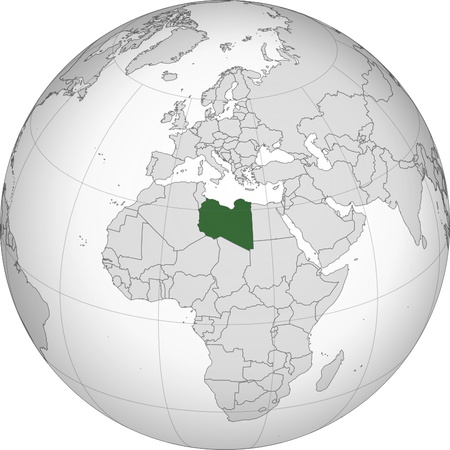
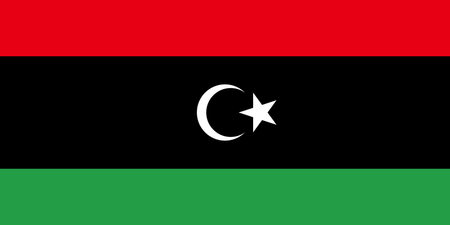
The flag of Libya was first used in 1951, however it was abolished in 1969 after the fall of the Kingdom of Libya. It was reinstated after the fall of Gaddafi in 2011. The red colour represents, guess what?, yup, the blood sacrificed for freedom, the black for the dark days under the Italian occupation, and the green for the wealth of agriculture and the future of the country. The crescent and star symbolise the role of King Idris in leading the country. The crescent and star are also symbols in Islam.
The origin of the name of Libya dates back to the time of Ramesses II, a Egyptian pharaoh that ruled from 1303 BC – 1213 BC. Inscriptions from that era talk of a confederacy of tribes known as "Great Chiefs of the Libu". Whether Libu refers to the land or the people is unknown.
LIBYA = LAND OF THE LIBU (Maybe)
Liechtenstein
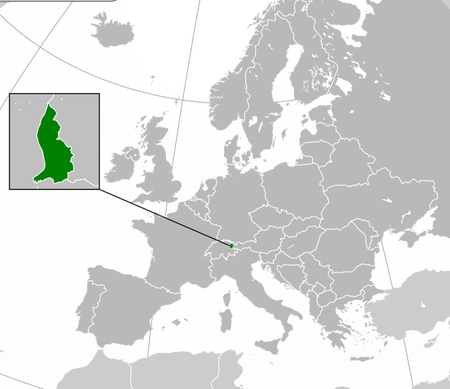
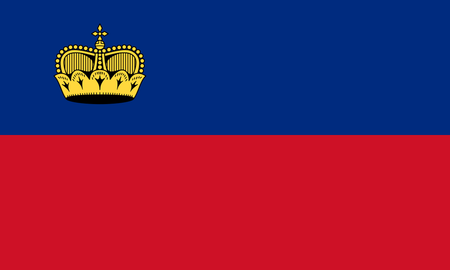
The blue and red of this flag have been in use since the 18th century, it wasn't until the 1936 Olympics in Berlin, that the nation discovered it's flag was identical to the flag of Haiti. The crown of the monarchy was added shortly afterwards to consolidate the country as a principality and to distinguish it from Haiti's flag. The blue represents the sky, while red alludes to the fires lit in homes every evening.
The country's name comes from its ruling monarchy which is part of the House of Liechtenstein. It originated from Liechtenstein Castle in Lower Austria, home to the family since at least 1140. The name of the castle comes from the rock it stands on, Liechtenstein is German for "bright stone".
LIECHTENSTEIN = BRIGHT STONE
Lithuania
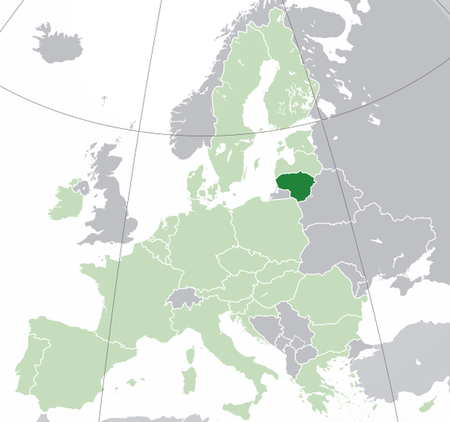
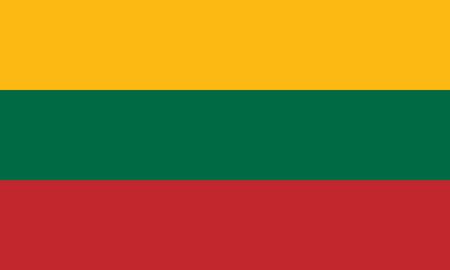
Lithuania first adopted this flag in 1918 in it's first spell of independence before it's occupation by the Soviet Union, and then Nazi Germany. It was restored in 1988, almost three years before the fall of the Soviet Union. It's yellow colour signifies the sun and prosperity. The green is for the forests, countryside, hope and liberty. The red is for...wait for it...the blood and bravery of those who have died for Lithuania.
The origin of the name Lithuania is unknown, but scholars have a few theories. The main contender is the name of a small river called Lietava that runs through the core area of the early Lithuanian state. Another hypothesis is that the name comes from a band of warriors known as leičiai that were active from the 13th century in the area now occupied by Lithuania and Latvia.
LITHUANIA = UNKNOWN (Maybe a RIVER or WARRIOR GROUP)
Luxembourg
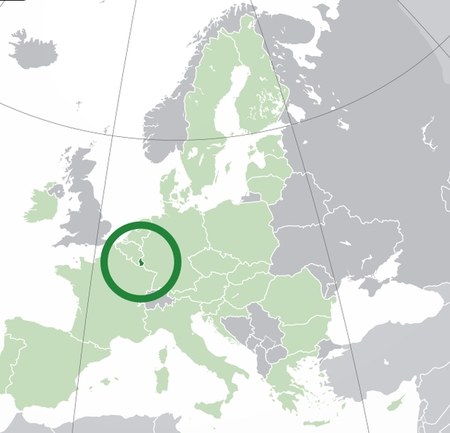
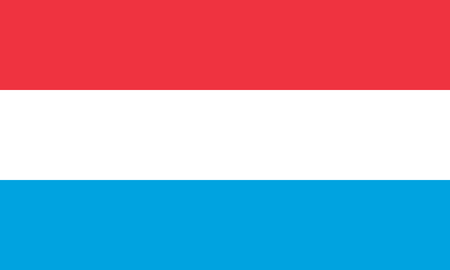
The Luxembourg flag is very similar to the flag of the Netherlands, except the colours are lighter, and when flown the flag is slightly longer. The colours originate from the coat of arms of the House of Luxembourg, which in turn derive from the House of Limburg. The original meaning of the colours are unfortunately lost in the mists of time. (I'm guessing they are probably blood, peace and some sort of water feature).
The name of the country and the Royal House derive from the name in Old High German for a fortress that was built in the region. The name of the fortress was Lucilinburhuc that translates to "little castle".
LUXEMBOURG = LITTLE CASTLE
Summary
Sometimes during my creative flow, I get disturbed. Occasionally, it's someone at the door, more often than not the Amazon delivery guy with something the wife has ordered, or representatives of the Church of Latter Day Saints. But this time, it was a pinging noise. It was the air fryer finishing with the cooking of my evening meal. My wife is at work, I had put the food in the fryer, but then got so into the blog, I forgot about it until the pinging noise sounded. Once I had sorted that out and eaten, I returned to the blog, and sat there. And sat there. And sat there some more. All I had to complete was this section at the end. Could I think of something? Nope. Then I thought, "Just write about why you can't think of anything". And there you go, off we go typing as I think and you get a Summary section. Although it's just a bit of inane drivel, it works!
Next time, the start of the M countries. I say Start because there are two sections, M1 and M2. Trying to put seventeen countries in one blog is just too many. It would get boring. I would get bored, you would get bored, and that situation is no good for anyone.
That will do for now I think, yup, that's it for this edition of the series.
Oh, just one thing I know you're wondering about.
I had Chicken and Chorizo kebabs on a bed of Basmati rice with some sweet potato fries, delicious.
Also a random question, did you delete your promotional post on the mb yourself? I'm js curious
also, in Liechtenstein’s description, it should be “its”, not “it’s”