
Country and Flag Origins - Part R
First published: Saturday May 3rd, 2025
Report this blog
Introduction
What can I witter on about today? I managed to finish work early today, mainly because I did a job that everyone in the office thought would take a lot longer than it actually did. I had to collect a metal framework for a new building in a factory near to the depot. It only took half an hour to load and secure and then another half an hour to get back. Turned out to be a doddle of a job, and therefore giving me an early finish before a three day weekend. Although my three day weekend is only two, I have to work Monday which is a national holiday here in the UK. I will be earning three times the hourly rate though to compensate. *Rubs hands together in a gleeful fashion*. The early finish today has given me time to write this blog.
Part R as you have probably realised by now, is all the countries beginning with the letter R. All three of them. A nice easy one before the slog of the triple S blogs. So let's pull up our socks and get on with it shall we?
Romania
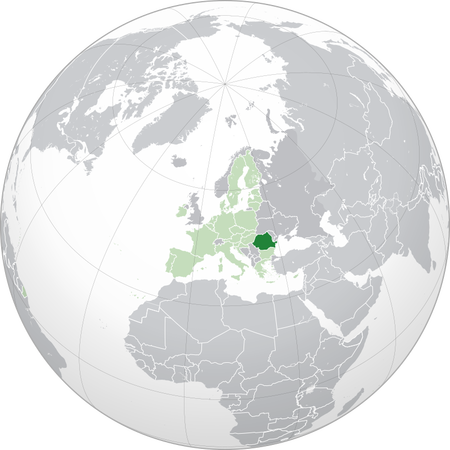
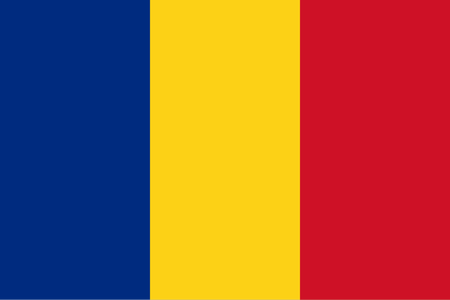
The colours on the Romanian flag date back to at least the 14th century, with them being used on various coat of arms of smaller nations that are now part of Romania, for example Transylvania. Throughout the centuries the meaning of the colours hasn't changed with blue for Liberty, yellow for Justice and red for Fraternity.
The name of Romania derives from the local name for Romanian, român which in turn derives from the Latin word, romanus, meaning "Roman" or "of Rome". This was first used in the 16th century by Italians travelling in the Transylvania, Wallachia and Moldovia regions of Romania. Wallachia is mentioned as Țara Rumânească (Roman Country) in a 15th century document.
ROMANIA = LAND OF THE ROMANS
Russia
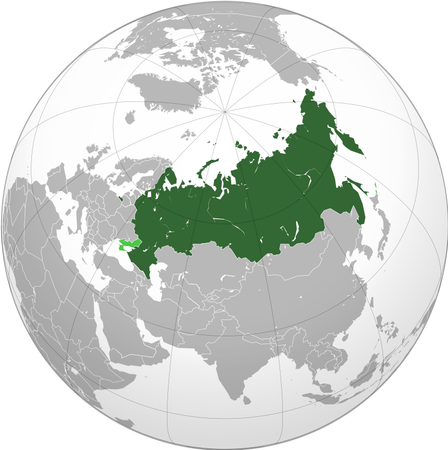
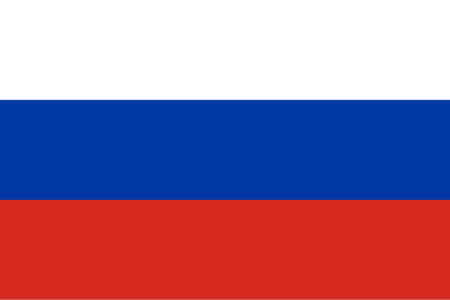
The design and colours of the Russian flag are similar to the flag of the Netherlands, this isn't a coincidence. Way back in the times of Peter the Great (17th century in case you were wondering), a new ship was ordered by Russia from a Dutch manufacturer in Amsterdam. The ship arrived bearing the Dutch flag, and it is said that Peter the Great decided to rearrange the colours to form the Russian Naval flag. The symbolism of the colours is nobility and frankness for the white, faithfulness, honesty, impeccability, and chastity for the blue, and courage, generosity, and love for the red.
The name of Russia derives from the Rus people, their name derives from the Baltic Finnic word, Ruotsi, meaning "Sweden". However, this name was derived in part from an earlier word in Old Norse meaning "rowers".
RUSSIA = LAND OF THE SWEDISH ROWERS (I think)
Rwanda
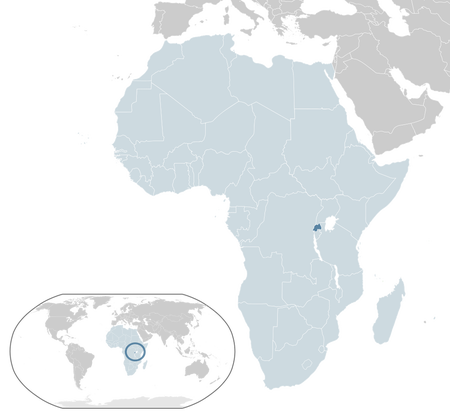
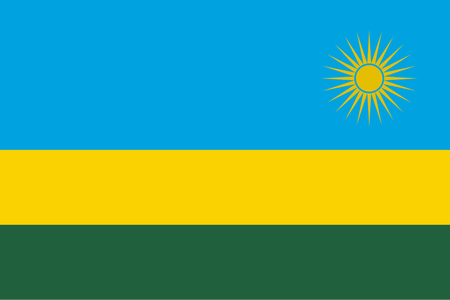
This flag was adopted in 2001, before the country's independence. Of the three colours, blue symbolises happiness and peace, yellow stands for economic development, and green represents hope for prosperity. The sun design represents national unity and transparency and the enlightenment of the Rwandan people. It depicts the sun illuminating the abundant vegetation of Rwanda.
The country's name derives from a Kinyarwanda word, urwanda, meaning "expansion". It refers to the reign of King Gihanga, who expanded his influence and territory leading to the Kingdom of Rwanda.
RWANDA = EXPANSION
Summary
I had a brief panic moment when I finished typing Rwanda's entry. I couldn't remember whether I had covered the Republic of Congo in C or not. Luckily I had, its in C2. Phew.
The only obvious meaning in this short blog was for Romania, I was just as surprised as you probably were at the other two. I suppose Belarus, instead of meaning "White Russia" actually means White Land of the Swedish Rowers, mmm, not sure about that one. Never mind.
So, there you have it, all three of the R countries. Next up, S. This is the big one. There are 26 in total beginning with S. I have split them into three blogs, predictably named Parts S1, S2, and S3. I don't want to confuse anyone at this late stage in the game. There was enough confusion over Part I, check out the comments section!
Anyhow, that's it for now, I shall see you, metaphorically speaking, in the next blog!
Also, you might want to look into Réunion and Rotuma.