

Country and Flag Origins - Part T
First published: Friday May 16th, 2025
Report this blog
Introduction
"I pity the fool" as the star of this blogs thumbnail would say. No, not Nancy Reagan, I mean Mr.T, the larger than life character made famous in the TV show, The A-Team. Did you ever notice that no-one died in that show, there would be jeeps blown up by explosives, and the guys thrown out, and then they'd be seen staggering about holding their heads. And you would think that after it happened a couple of times, B.A. Baracus would know that he shouldn't drink the milk offered to him after he said "I ain't getting on that plane". Still an iconic show though.
You probably guessed from the title, and the thumbnail, that this edition of the blog series is about countries beginning with T. There are eleven in total, so this blog will be a little longer than the previous ones. I did think about splitting this one into two parts, but I don't think it's worth it. Anyway, let's get on, here's the first one....
Taiwan
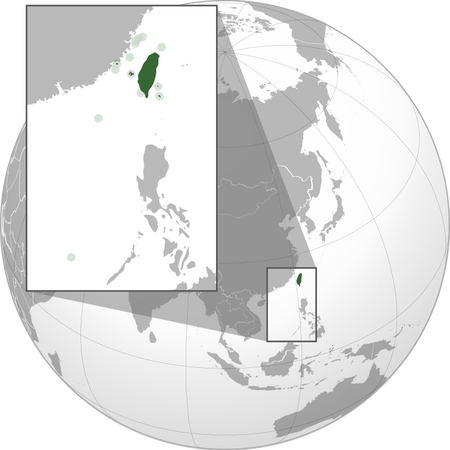
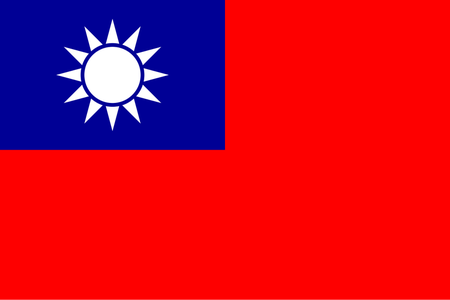
The flag of Taiwan is said to be a "blue sky with a white sun and a wholly red earth". The "red earth" of the flag symbolises the blood of the revolutionaries that sacrificed themselves to overthrow the Qing dynasty and create the country. The "blue sky and white sun" come from the flag of Lu Haotong, a revolutionary during the dynasty. The rays of the sun symbolise the twelve months of the year and the twelve traditional shíchén in a day. A shíchén is equivalent to two hours. The three colours represent the Three Principles of the People, blue for nationalism, red for peoples livelihood, and white for democracy.
From the middle of the 16th century, the island was known as Formosa, especially amongst Europeans. This name originated from Portuguese sailors that named it Ihla Formosa or "Beautiful Island". In 1603, a Chinese fleet anchored at a place called Dayuan which is a variant of Taiwan. he name eventually became used for the area and province around Dayuan and eventually for the whole island. Dayuan translates to "vast vegetable garden".
TAIWAN = VAST VEGETABLE GARDEN
Tajikistan
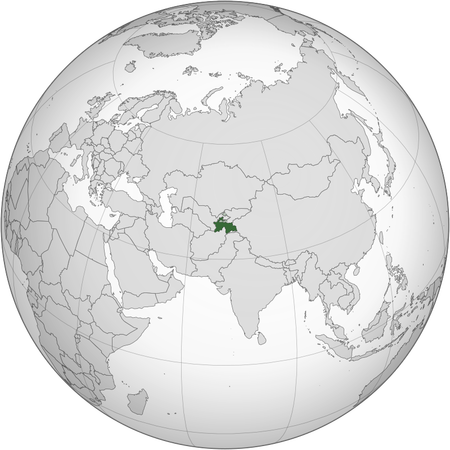
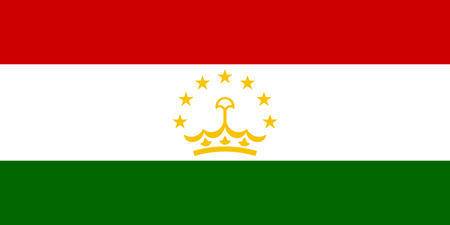
The colours of the Tajik flag have many meanings. The red colour represents the unity of the nation as well as victory and sunrise, also the Soviet heritage, workers and warriors who paid the ultimate sacrifice in defence of the land. The white colour symbolises purity, morality, the snow and ice of the mountains, and cotton. The green colour stands for nature, fertile valleys, Islam, and the celebration of Novruz, the Iranian New Year. The crown represents the Samanid Dynasty and the Tajik people. The seven stars symbolise perfection and happiness, in traditional belief, the heavens feature seven mountains and seven orchard gardens with a star shining above each mountain.
As with other -stan countries, the suffix means "land of". The origin of the name of the Tajik people is unclear, but is thought to have been another name for "Arabs" to differentiate from other Arab tribes.
TAJIKISTAN = LAND OF THE TAJIKS or ARABS
Tanzania
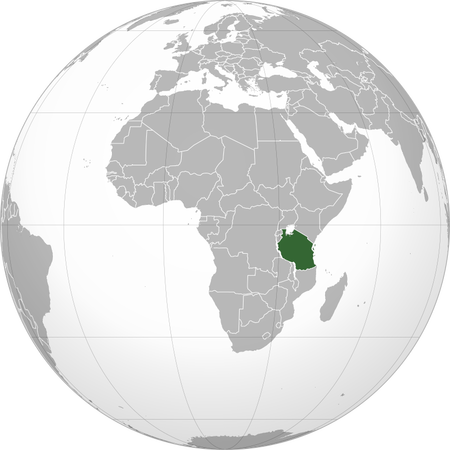
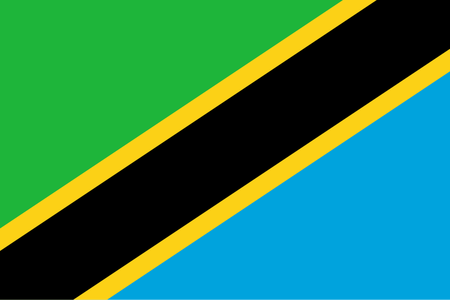
This flag was adopted in 1964 to replace the two individual flags of Tanganyika and Zanzibar. The flag incorporates elements of both previous flags. The green colour alludes to the vegetation and "rich agricultural resources" of the country. The black represents the Swahili people of Tanzania. The blue colour stands for the Indian Ocean, as well as the rivers and lakes of the country. The yellow stripes signify the wealth of the natural resources.
The name of Tanzania was created in a competition, it was won by Mohammed Iqbal Dar, who took the Tan from Tanganyika, the Zan from Zanzibar, and, according to him, an i from his name and an a as a reference to Ahmediyya, an Islamic movement from India. But what about the constituent names? Well, Tanganyika derives from the Swahili words tanga meaning "sail" and nyika meaning "wilderness". Zanzibar derives from Zanj and barr meaning "black" and "coast" respectively.
TANZANIA = COMES FROM TANGANYIKA AND ZANZIBAR
TANGANYIKA = SAIL IN THE WILDERNESS
ZANZIBAR = BLACK COAST
Thailand
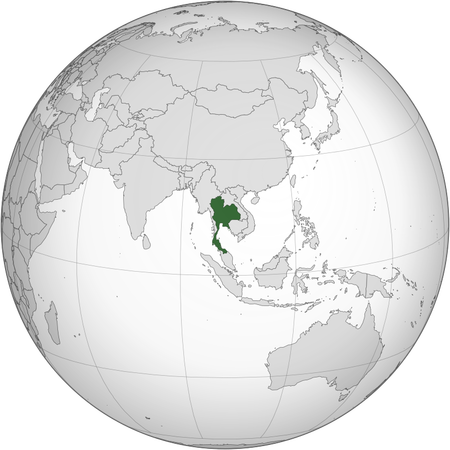
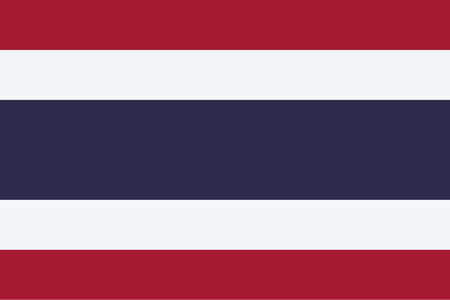
The Thai flag was adopted in 1917 by a royal decree issued by Rama VI. The red colour represents the people and the land, the white colour stands for religions, and the blue colour for the monarchy. Because the flag was adopted on the same day that Rama VI declared war on Germany during World War 1, some say the colours were chosen as they were the same colours as the UK, France, Russia and the USA.
The name of Thailand derives from the words Thai and land. Thai in the local language means "free man".
THAILAND = LAND OF THE FREE MEN
Togo
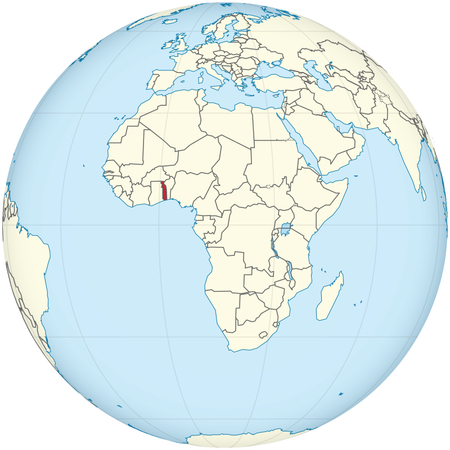
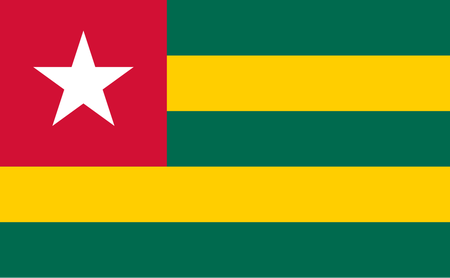
The flag of Togo was designed by local artist Paul Ahyi in 1960, just prior to the country's independence from France. It uses the colours of the Pan-African movement, similar to many other African flags. The five stripes represent the five regions of Togo. According to the office of the Togolese President the colours have this significance, "green represents forests, agriculture, and hope; yellow represents natural resources, faith, and maturity; red represents the blood shed by those who fought for Togolese independence; and the white star represents peace, intelligence, and light".
Togo was known in the past as "The Slave Coast" due to the number of slaves that passed through it's ports. Thankfully that name is long gone. Prior to World War 1,Togo was known as Togoland and was a German territory. It was then split into French and British Togoland between the two World Wars. Upon independence in 1960 it became simply Togo. The name originates from the Ewe language of Togo and Ghana. It translates to "behind the river".
TOGO = BEHIND THE RIVER
Tonga
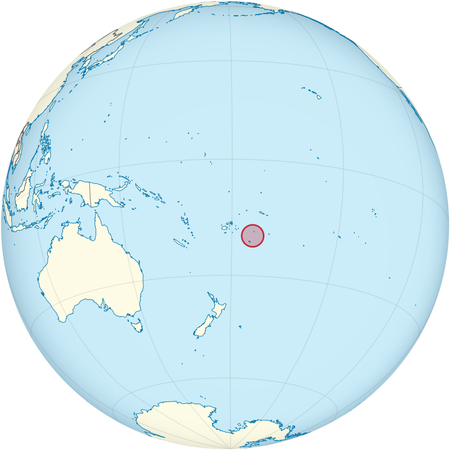
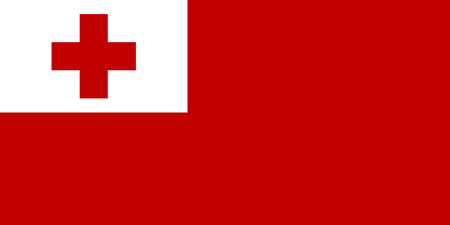
The flag of Tonga was adopted in 1875 and is enshrined in the national constitution, which states that the flag can never be changed. The red cross represents Christianity, practised by 97% of the population. The white colour represents purity, and the red colour stands for the Blood of Christ shed during the Crucifixion.
The name of Tonga has the same derivation in several Polynesian languages. It comes from the word fakatonga which translates to "southwards", referring to the islands location at the south part of Western Polynesia.
TONGA = SOUTHWARDS
Trinidad and Tobago
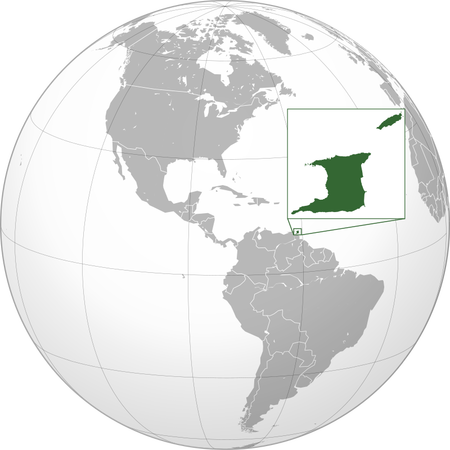
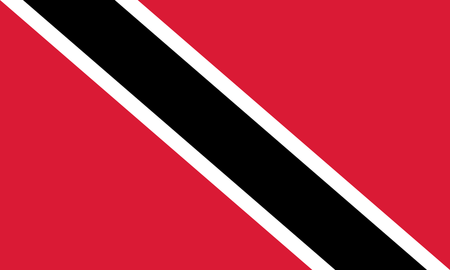
Trinidad and Tobago adopted their flag in 1960, when they achieved their independence from the United Kingdom. The colours symbolise fire, earth and water. The symbolism is red / fire for courage, black / earth for dedication, and white / water for purity and equality.
This nations name is in two parts, Trinidad and Tobago, obviously! Our old friend Chris Columbus rears his ugly head again, he named the larger island La Isla de la Trinidad or "Island of the Trinity". Tobago, the smaller island, gets it's name from the Spanish word for tobacco, tabaco, which has been corrupted over the years to Tobago. This may refer to the cigar shape of the island or to the use of tobacco by the native people.
TRINIDAD AND TOBAGO = TRINITY AND TOBACCO
Tunisia
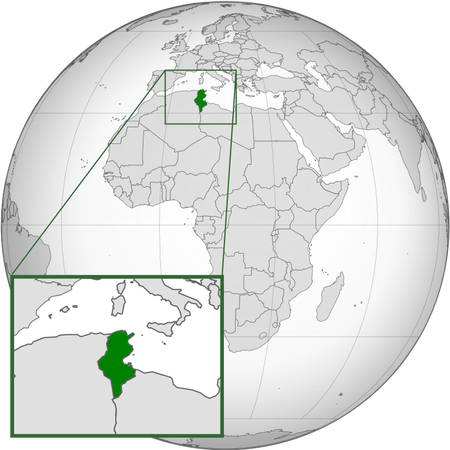
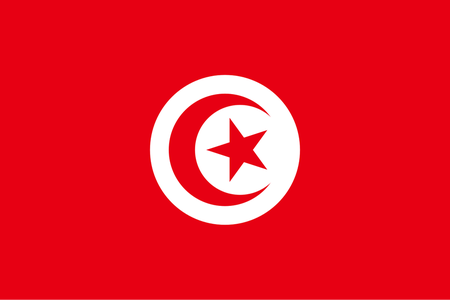
The Tunisian flag was adopted in 1827, and was in place throughout period of the French protectorate. Several sources state that the red colour represents the blood of martyrs killed during the Crusades. The white disc symbolises the sun, as well as peace. The crescent is a good luck symbol in Islam, and the five pointed star represents the Five Pillars of Islam.
Tunisia takes it's name from it's capital city, Tunis. Tunis may be associated with the Carthage goddess Tanith (or Tunit), although it is more likely to come from the Berber word for "encampment". In my Capital City Origins blog, there is a little more detail.
TUNISIA = LAND OF ENCAMPMENT
Turkey
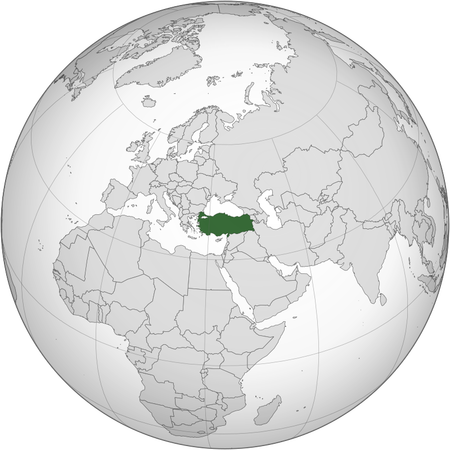
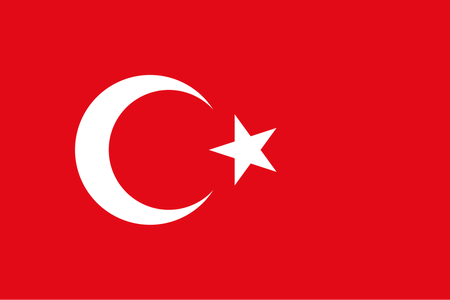
Turkey's flag dates back to the 18th century and has it's origins in the Ottoman Empire. The crescent and star have the same symbolism as the flag of Tunisia above, both are centuries old Islamic signs representing good luck and the Five Pillars of Islam.
Turkey, or as it is now known Turkiye, derives from the older name for the country, Turchia, which was used in Europe as a name for Anatolia in the 12th century. It means "land of the Turks", but what does the word Turk mean? There are two possible origins, one in relation to fruit meaning "ripe" or it could translate to "in the prime of life" or "flourishing in full strength" with regard to people.
TURKEY = LAND OF THE FLOURISHING
Turkmenistan
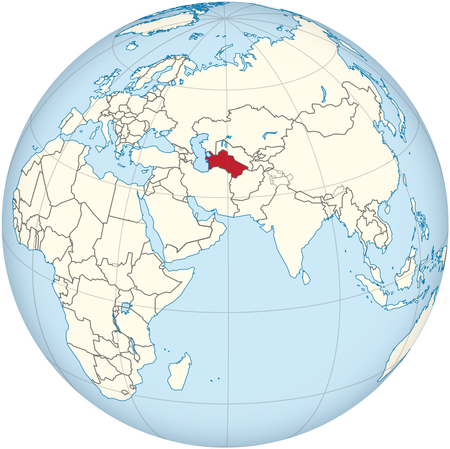
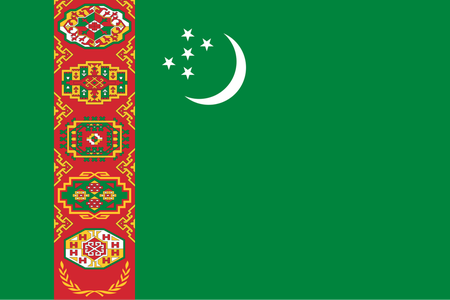
This flag was introduced in 1992 to replace the Soviet era flag. The gren background and the flamboyant stripe on the left are symbolic of the nations famous carpet making industry. The five stars represent the Five Pillars of Islam, as well as the five regions of the country. The crescent, as previously, is an Islamic symbol that is thought to bring good luck. The five designs on the stripe represent the five major tribes of Turkmenistan.
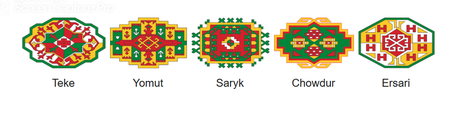
You'll know by now that the suffix -stan means "land of", so where does Turkmeni- come from? It can be split into two parts Turk and men, Turk as described in the above entry for Turkey means "flourishing", but the men part of the word means "almost" in the Sogdian language of Persia. This referred to the fact that the natives of Turkmenistan were outside of the normal area for people of Turkic origin.
TURKMENISTAN = LAND OF THE ALMOST FLOURISHING
Tuvalu
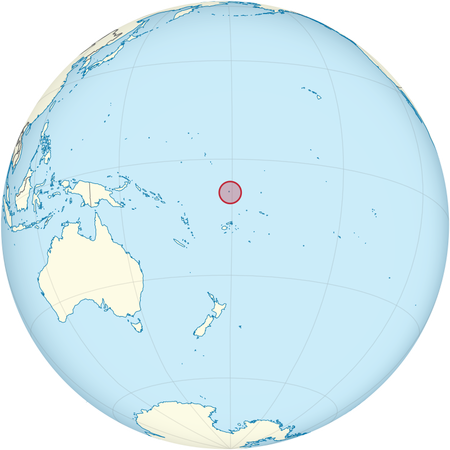
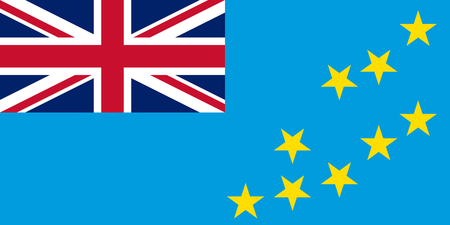
Like other former colonies of the United Kingdom, Tuvalu displays the Union flag in the top left corner of it's flag. The UK will be featured in the next blog. The blue background represents the Pacific Ocean and the sky. The nine stars each represent one of the islands of the country.
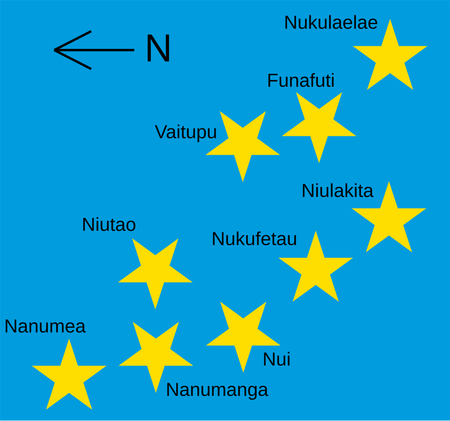
Tuvalu was part of the Gilbert and Ellice Islands until it split. The Gilbert Islands became Kiribati, and the Ellice Islands, Tuvalu.
The country's name is taken from eight of it's nine islands. Only eight of them were originally inhabited. The Polynesian language of Tuvaluan is the origin for the name. It means "eight standing together".
TUVALU = EIGHT STANDING TOGETHER
Summary
Well, there you have it, all eleven of the T countries. I hope you didn't get bored halfway through and give up. If you did, then I apologise, the next few blogs will be a lot shorter. There's only a few left now in this series, U, V, Y, and Z ,with 7, 4, 1, and 2 entries respectively. I can't believe I've only got 14 more countries to write about, and then it will be onto the new series.
The next series, as I mentioned in the last episode, will be a short revival of my Five Islands blog series. When I say short, it will be several blogs, I've no idea how many yet, but I don't want to get bored like before. I've given you enough teasers for now, in this and the last blog, but if anyone has any suggestions that will be suitable for the series, then please let me know. Don't forget I write about the smaller islands, not the larger ones. Just check out some of the blogs in the series and you'll get the idea.
Anyway, that's it for now in this edition, just time for me to say Sayonara and wish you all well.
Edited to add.... You're right, Vast Veggie Garden was the translation of an earlier name. I've edited the blog. Thanks for the information and letting me know.