
Country and Flag Origins - Part V
First published: Thursday May 22nd, 2025
Report this blog
Introduction
It's arrived! The antepenultimate Country and Flag Origins blog, just two more to go. I have already done some initial research into the first blog after this series, I'm not saying exactly what it is yet, I like to keep some secrets, but from what I've been saying the last few weeks, you've probably got a fair idea. There may be water involved, and possibly land surrounded by water, and there may be a random number of entries, somewhere between four and six, I think. I'm saying no more, loose lips sink ships, as they used to say during the Second World War. "Like Dad, Keep Mum" was another phrase coined by the UK government to encourage people to keep their gobs shut, in case there were spies around!
Anyway, let's get on shall we.....
Vanuatu
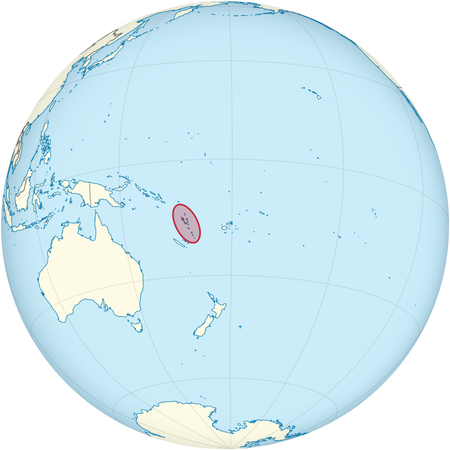
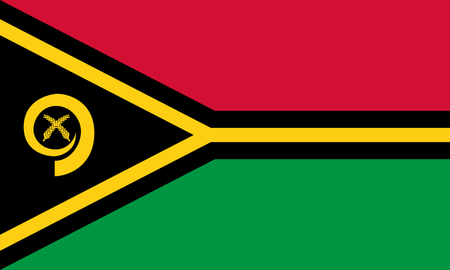
The Vanuatu flag was designed by a local artist in a competition held just before the nation's independence in 1980. The red colour represents the blood which unites humanity, and the green colour symbolises the richness of the islands. The black stands for the Melanesian peoples. The yellow Y represents the shape of the islands on a map and the light of the Gospel going through the islands. The emblem resembles a boar's tusk, a symbol of customs and traditional as well as prosperity. The two leaves of the namele tree are a token of peace, and the 39 smaller leaflets represent the original 39 members of the Vanuatu parliament.
The name of Vanuatu derives from two words that occur in Austronesian languages, vanua and tu, meaning "home" and "to stand" respectively. Together they define the independence of thecountry.
VANUATU = TO STAND AT HOME
Vatican City
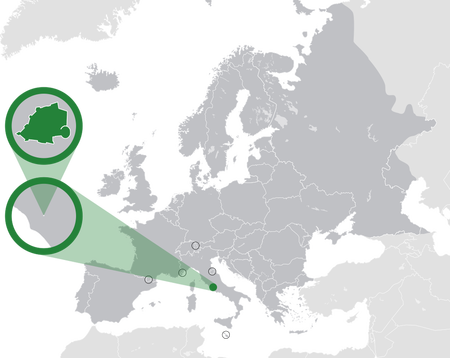
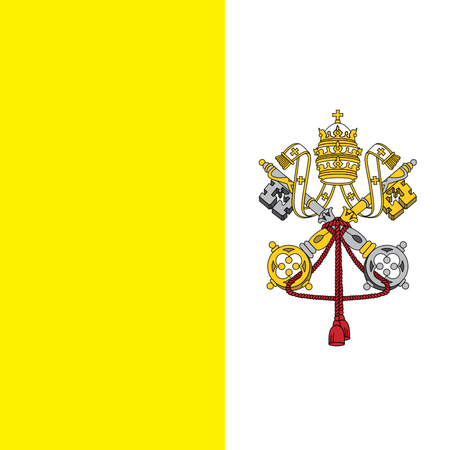
The Vatican, or Holy See, flag is one of only two sovereign nation flags to be a square shape, the other being Switzerland. The colours come from the keys that feature in the coat of arms on the white part of the flag. They represent the gold and silver of the keys. Yellow for gold, white for silver. The coat of arms consists of the keys plus a Papal tiara.
The name of Vatican City derives from the Roman hill upon which St.Peters is built. It was built on Vatican Hill, which in turn derives from a settlement on the banks of the Tiber river called Vatica or Vaticum. There are a couple of theories on the derivation of this name, firstly, that it comes from a childbirth deity named Vaticanus, the theory being that va is usually a childs first word. Secondly, the name could derive from vāticinium, a prophecy elicited by the flight of the birds or from the study of the liver of the victims of sacrifices. However, all of these derive from vātēs meaning “soothsayer, or prophet” and canō meaning “to sing”.
VATICAN CITY = CITY OF THE SINGING PROPHET
Venezuela
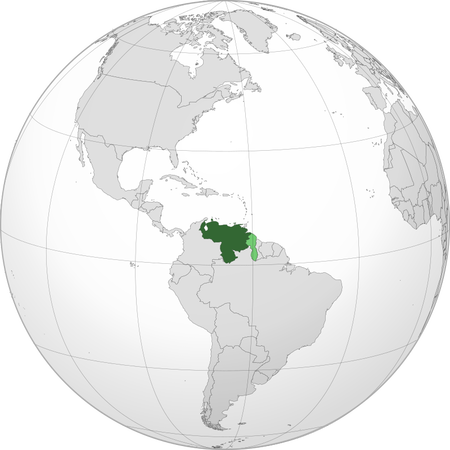
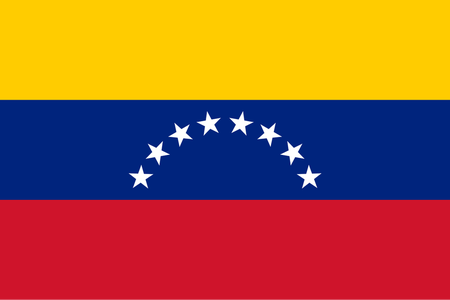
Venezuela's flag dates back to 1896, although a few minor changes have occurred. The current flag's colours represent various things, the yellow colour represents the nation's wealth, riches, and sovereignty, as well as the Sun. The blue colour symbolises the Caribbean Sea and the beaches. The red colour symbolises the blood spilt during the fight for independence from Spain. The stars represent the provinces of Venezuela, although this is controversial, there are only seven regions, the eigth star represents Guayana province, two thirds of which are part of next door Guyana of which Venezuela has laid claim.
The most popular theory to the etymology of Venezuela's name comes from 1499, when Amerigo Vespucci saw the stilt houses of Lake Maracaibo. They reminded him of Venice in Italy, and so he named the place Veneziola, or "Little Venice". The Spanish version of Veneziola is Venezuela. Another theory put forward in a Spanish book published in 1519, Suma de Geografía, states that the indigenous people of the area called themselves the Veneciuela. The name could have evolved from there.
VENEZUELA = LITTLE VENICE
Vietnam
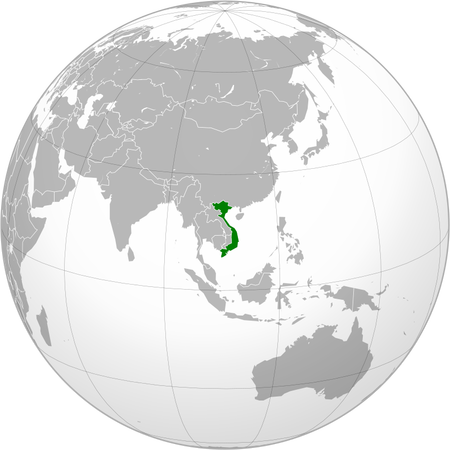
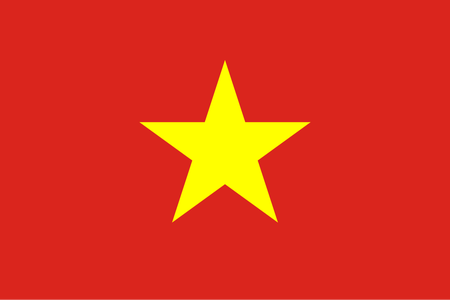
The current flag of Vietnam came into use after the Vietnam War, the flag of North Vietnam during the war was similar, but with a different shaped star. The red colour now represents bloodshed, struggle, and the success of revolution. The yellow colour of the star symbolises the ethnicity of Vietnamese people, the points of the star represent the five classes of Vietnamese society, entrepreneurs, farmers, workers, intellectuals, and soldiers.
The name of Vietnam derives from Chinese words Việt and Nam. Nam is the word for "South" and Viet refers to the people or a tribe, however in some dialects it could mean "axe". It is generally thought that Vietnam means "People of the South"
VIETNAM = PEOPLE OF THE SOUTH
Summary
There ya go, all four countries beginning with V. Nicely spaced out around the world, I think. I shall probably have the last two blogs in this series written by the weekend, but I think I will space them out a little before publishing them. You can have too much of a good thing, and anyway, our Lord and Master, QM, only allows one blog per 24 hour period. And rightly so, no-one wants the RUB flooded with blogs by one person, especially not from me. Quantity over Quality, that's what I say....."Wait a minute, Strike that, Reverse it" as Willy Wonka would say. Quality over Quantity is what I meant.
That it, I've nothing more to say, just thanks for reading and commenting (if you did). I'm off now to collect the wife from her hard work in retail before she calls me to say "Where the fu heck are you?"
Bye for now friends!
The name comes from the Zulu language and roughly translates to "making sound".
Interestingly, the Wikipedia page for the vuvuzela has at the top, "Not to be confused with Venezuela". Seems you're not the only one FreeStater !