
Second City Origins ~ Africa Part 4
Last updated: Sunday October 13th, 2024
Report this blog
Introduction
Now that I know that some of you read the introduction, I shall have to try to write something intelligent. This is going to be difficult.....err......err.....**whirring noises**....err....**grinding cogs noise**...err....nope can't think of anything clever, back to the usual drivel!
In this episode, we are traveling up the eastern side of the African continent, through the places visited by Livingstone and Stanley, and to the lands that Toto sang about. No, not Dorothy's dog in The Wizard of Oz, but the band that sang Africa. Although there are some anomalies in that song, you can read all about them in this blog of mine. Another blatant plug there!
We finish up in Sudan, which incidentally has more pyramids than Egypt. In fact, more than any other country, over 250 according to the oracle that is Google. But I digress. Let's carry on with the important bit...
Bulawayo ~ Zimbabwe
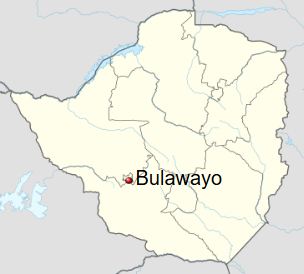
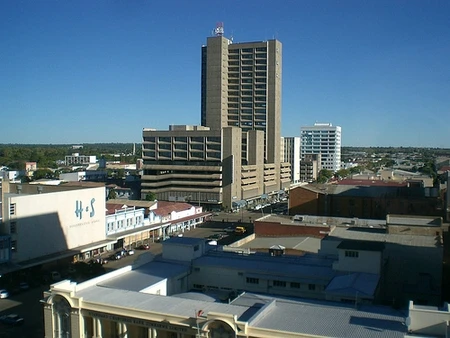
Bulawayo was founded in 1840 as a kraal, or livestock enclosure, by Mzilikazi, the Ndebele King and was known as Gibixhegu. In 1860, the king's son took over the area and changed the name to koBulawayo. The city is traditionally a centre of industry in Zimbabwe with many factories producing cars, electronics, furniture, and food.
The name Bulawayo comes from the Ndebele word, bulala which translates to "the one to be killed". This comes from the era of the prince taking over when it was thought that he wasn't a legitimate heir, having being born of a Swazi mother.
BULAWAYO = ONE TO BE KILLED
Kitwe ~ Zambia
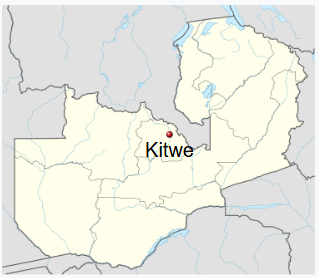
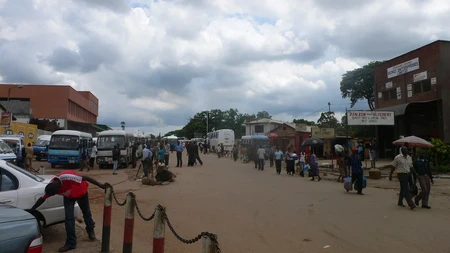
Kitwe was founded in 1936 by the Cecil Rhodes Company as the main railway was being built. It served as a junction for accessing the copper mining region nearby. With the growth of the copper industry, Kitwe grew to be the second largest city in Zambia.
The name comes from the Lamba word Ichitwe, which translates to "a big head." It originated from pre-industrialisation times, when the Lamba people found a dead elephant's head in the area.
KITWE = BIG HEAD
Blantyre ~ Malawi
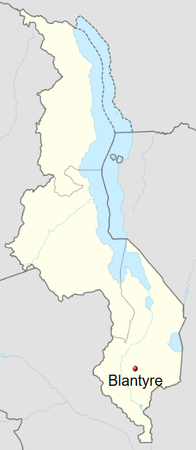
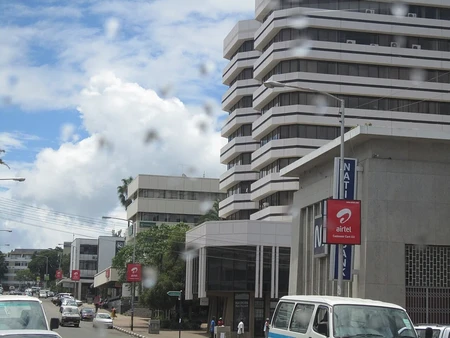
Founded in 1876, Blantyre was planned and established through the missionary work of the Church of Scotland. It is the centre of Malawi's financial and commercial industries, sometimes referred to as the country's economic capital.
The city was named after the birthplace of explorer David Livingstone, Blantyre, Scotland. The original settlement derives its name from the Old Scottish language Cumbric, from the words blaen tir which translates to "top of the land".
BLANTYRE = NAMED AFTER THE SCOTTISH TOWN = TOP OF THE LAND
Dar es Salaam ~ Tanzania
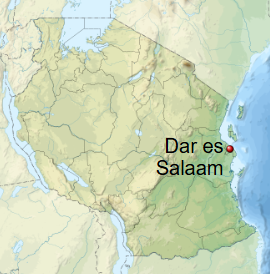
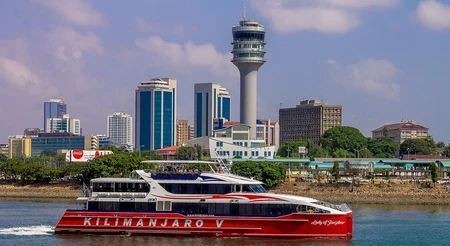
Dar es Salaam, or just Dar if you are typing it as an answer in a JetPunk quiz, is the largest city in Tanzania and the sixth largest in Africa. It functioned as the country's capital until a move to Dodoma was approved in 1974, a process that took until 1996 to complete.
The name is Arabic and can be directly translated as "House of Peace".
DAR ES SALAAM = HOUSE OF PEACE
Bujumbura ~ Burundi
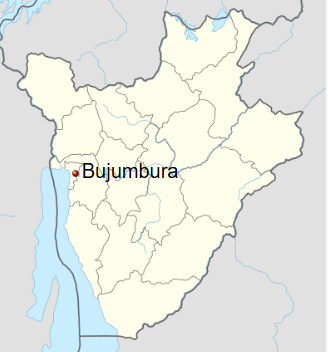
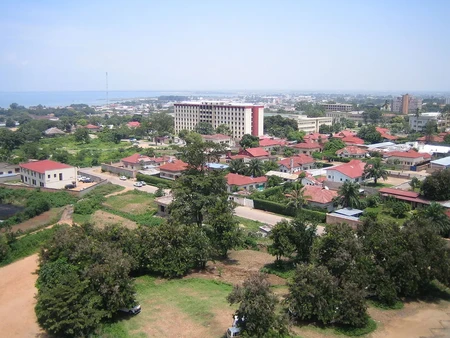
Another former capital city, Bujumbura was abandoned for Gitega in 2019 on the orders of the Burundi government. The city still functions as the economic capital and centre of commerce. It is situated on Lake Tanganyika, the world's second deepest lake after Lake Baikal in Russia.
Bujumbura gets its name from the settlement's previous name of Usumbura, which was changed on Burundi's independence in 1962. The only reference I can find about the etymology of Bujumbura is going to be very controversial. I found it in an article on the "other" quiz site, Sp***le ! I apologise profusely in advance for even thinking of "that place" let alone mentioning the name. It is a vague notion that Bujumbura comes from the Kitenga word for a "marketplace".
BUJUMBURA = MARKETPLACE (According to Sp***le, sorry!)
Gisenyi ~ Rwanda
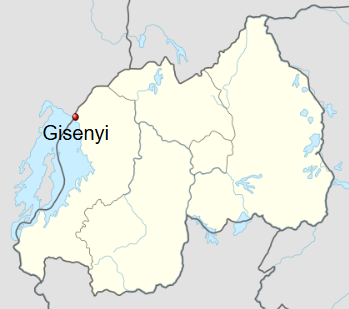
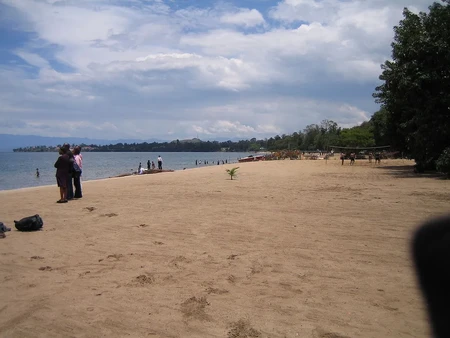
Gisenyi shares a border with Goma in the D.R.C. It is a tourist area with several hotels and resorts. I is known for water sports, despite the lake having the nickname of "Killer Lake" due to large deposits of Methane and Carbon Dioxide gases trapped in the depths of the lake.
The origins of the name have eluded me on this occasion. Not even Sp***le can help on this one. I trawled through about fifteen Google search pages to no avail. Apparently, it is related to the Rwandan language but even the dictionaries are of no help. Sorry!
After a great deal of help from Dimby and Neodymium the general consensus is that....
GISENYI = WETLANDS possibly SANDY WETLANDS. (See comments for links to research by Dimby)
Nansana ~ Uganda
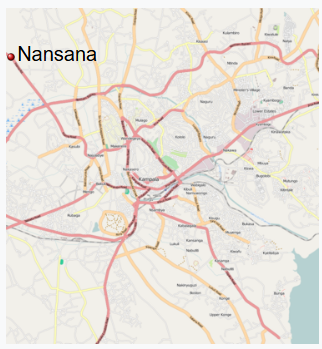
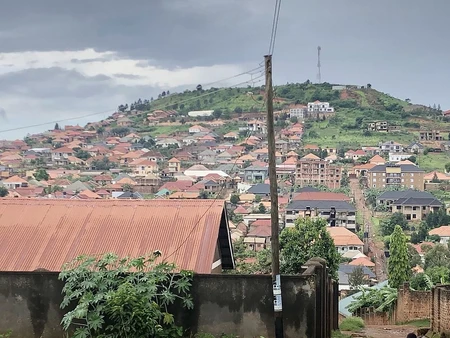
Nansana is almost a suburb of Uganda's capital Kampala. It is only 12 kilometers or 7 miles to the northwest of the city. There isn't much information about the town which is a densely populated working class neighbourhood. There is an ongoing investigation into the murders of ten young women in the area.
There is no published etymology for the town, however, nansana in Swahili translates to "I love you" according to Googles Swahili to English translation service. Just because it is a nice idea, I'm going to use that, and not care what you think!
NANSANA = I LOVE YOU
Mombasa ~ Kenya
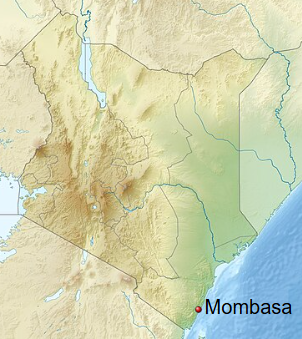
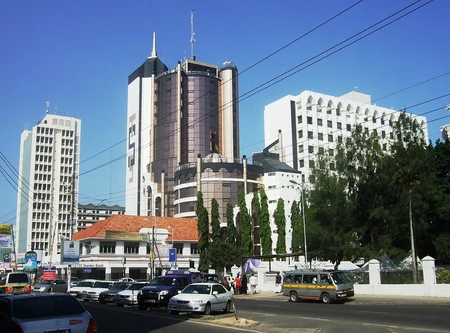
Mombasa is Kenya's oldest city, it was founded around 900AD, and was the capital of British East Africa prior to Kenya's independence. It's location on the Indian Ocean made it an ideal place for trade. There is evidence of trade with India and Asia in the 12th century, but it is thought that trade routes were well established at that time.
The name Mombasa is derived from the Arabic word manbasa which translates to "scattered" or "dispersed" and is possibly a reference to the import and export trade.
MOMBASA = SCATTERED
Wau ~ South Sudan
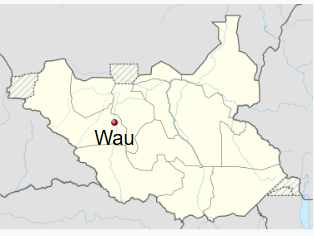
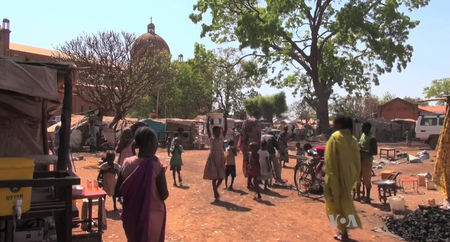
Wau, also known as Waw, or Wau Town, was originally established by the French as Fort Desaix in the 19th century. Subsequently, it was used as a fortified base for slave traders. The city also saw massacres, clashes, and much destruction during the Sudanese Civil Wars of the early 21st century.
I really struggled to find anything about the etymology of Wau. I did find something, somewhere that suggested it means "lost calf" but have been unable to find it again or find confirmation. I may not have even been looking at Wau at that point.(It was late into the night and way past my self-imposed bedtime!)
The only thing I can say is that in the Dinka language of the region wau translates to "Wow" apparantly.
WAU = WOW (or lost calf, maybe)
Gondar ~ Ethiopia
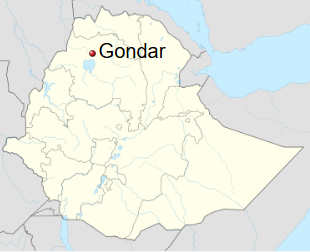
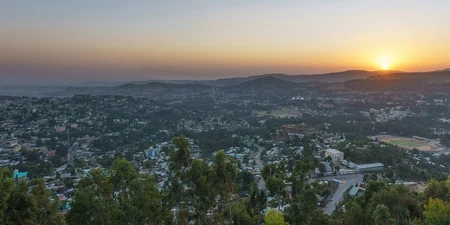
Gondar was the capital of the Ethiopian Empire until 1856 when it was moved to Debra Tabor around 100km or 60 miles to the southeast. There are several royal palaces still standing in Gongar giving it the nickname of the "Camelot of Africa". The city has been plundered and attacked many times, even bombed by British Forces trying to defeat Italian fascists during World War II.
Once again, there is little to no information about the origin of the city's name. Folklore states that a buffalo led Fasildes to a pool where a hermit told him to build his capital. According to the good folk of Reddit, gon and dar both mean "by the side", refering to the foundation of the settlement by the side of a pool.
GONDAR = BY THE SIDE (maybe)
Hargeisa ~ Somalia
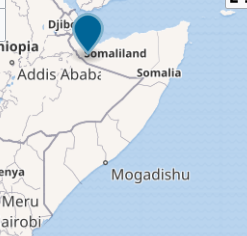
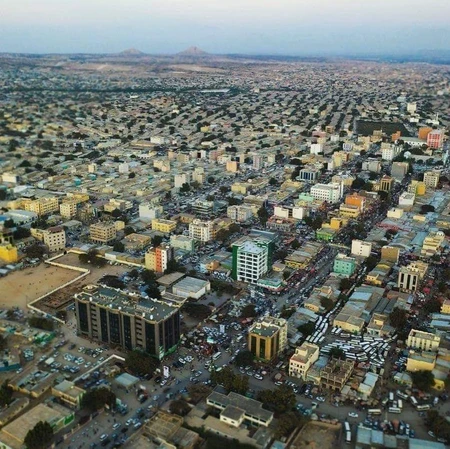
Technically, Hargeisa is a capital city. However, it is the capital of Somaliland, an unrecognised country in what is still internationally considered to be part of Somalia. It was established as a water stop and trading post for caravans destined for the interior.
There are two possible etymologies of the name Hargeisa. Firstly, it is thought to have derived from a name given to the settlement by Sheikh Madar in the 19th century. He named it Harar as-sagir or "Harar the Little". In other words, Little Harar, as he wanted the town to emulate the values of the city of Harar in eastern Ethiopia.
The other origin comes from the fact that the town was a trading post in, among other things, animal skins and hides. It is thought to derive from the word hargageys which means "place to sell hides and skins in Somali.
HARGEISA = PLACE TO SELL HIDES AND SKINS (or LITTLE HARAR)
Ali-Sabieh ~ Djibouti
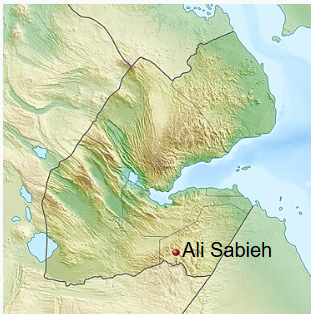
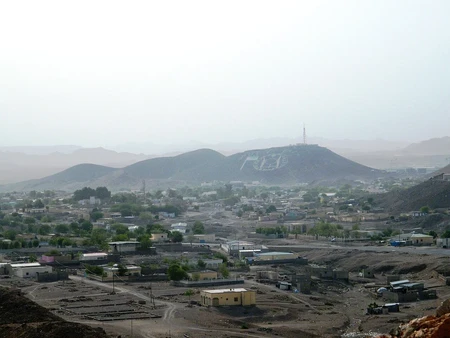
Ali Sabieh was a small village in French Somaliland until the building of the Ethio-Djibouti Railway in 1900. The settlement became a "boom town" attracting lots of trade and commerce. The city is still a major transport hub for other parts of Djibouti and the surrounding countries.
The name, Ali Sabieh, is Arabic and translates to "City of Frogs"!
ALI SABIEH = CITY OF FROGS
Keren ~ Eritrea
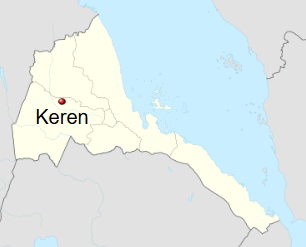
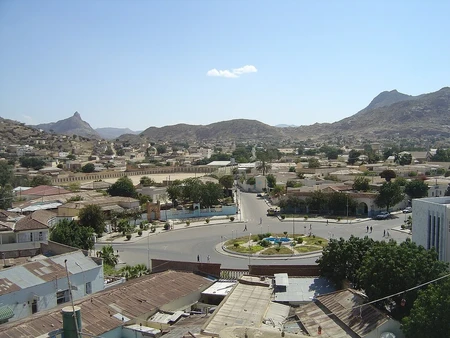
Keren was just a trading settlement on the route between Massawa on the coast and Sudan until Italian colonists arrived in the town attracting traders from all around Europe and the Middle East. The city was the site of a key battle between Italian and British forces during WW2 and saw fighting during the Eritrean War of Independence.
The name, Keren, originates from the Bilen language and means "mountainous country" or "mountain rocks".
KEREN = MOUNTAINOUS COUNTRY
Omdurman ~ Sudan
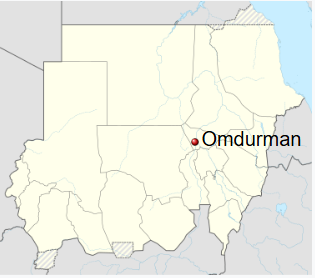
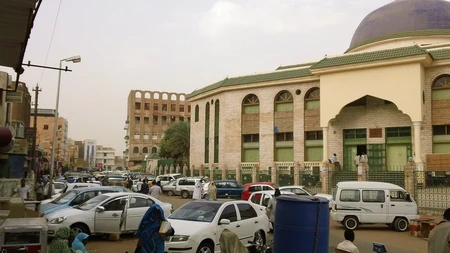
Omdurman is situated on the opposite side of the River Nile to the nations capital, Khartoum. The two cities are connected by a bridge. Omdurman grew in size following the building of a tomb to the Mahdi, a political leader. The city was the site of a battle between Lord Kitchener and his British colonist forces and local Sudanese defenders that resulted in many deaths.
The name of the city derives from the Arabic, Umm Durmān, which translates literally to "Mother of Durman". Who Durman was is unknown.
OMDURMAN = MOTHER OF DURMAN
Summary
So there you have it. Africa's second cities, well according to my criteria anyway. This particular continent has been a challenge to say the least. There is not as much information about settlements smaller than capital cities available on Wikipedia, or even on more obscure websites dotted around t'interweb. It has taken me longer to research, and even involved reading through documents written by university graduates for their doctorates. Let's hope Asia is easier.
Oh, by the way, we're off to Asia next. Our journey takes us south down the Red Sea, possibly by Dhow, to Yemen. The closest points take us past Farasan Island, one I missed in my Five Islands blog series (Sorry, another plug).
That's it for this episode, I'll see you in Yemen soon. Didn't Chandler in the Friends TV series tell someone he was going to Yemen? Doesn't matter, it's just the way my brain works, random thoughts just pop up indiscriminately.
Bye for now!
http://sdinet.org/wp-content/uploads/2015/10/THIS.IS_.KISENYI.pdf
I found in general research that Gisenyi was called Kisenyi originally. I figured that if I could find the etymology of the Ugandan Kisenyi, that it’s probably the same. Anyway, I’m not at all confident, but it looks like “wetland” is likely.
but its probably that!
r u sure the languages of rwanda and kinyarwanda are THAT similar tho?
Thank you for your time and comments.
SporcleOrcspel... XDCity of Frogs is an interesting one. I hope the Asia blogs will be easier for you, YYs