
Second City Origins ~ Asia Part 4
First published: Friday November 15th, 2024
Report this blog
Introduction
To quote Marshall Bruce Mathers III, "Guess who's back?", well it's not Slim Shady, it's me! Your friendly neighbourhood truckie that moonlights writing blogs on JetPunk. I can sense your disappointment from here!
Our final Asian episode begins here. I just want to get this one finished, and then Oceania. That will be the hardest I reckon. South, Central and North America should be a breeze after slogging around the Pacific Ocean like Thor Heyerdahl on his Kon-tiki Expedition. Look it up, it's fascinating.
Although there is a dark cloud on the horizon, the Caribbean nations could be as challenging as those in the Pacific, we shall see in due course. But, I am getting ahead of myself as usual, I haven't finished Asia yet! So, on that note, lets get on with the blog, and onto the first second city, if you know what I mean,.......
Taichung ~ Taiwan
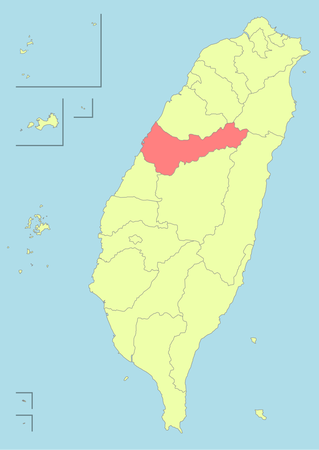
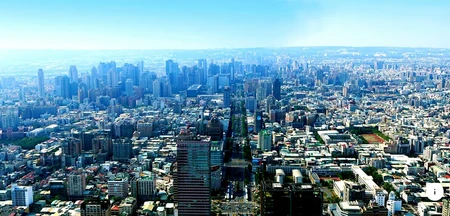
Located on the central plains of Taiwan and a conglomeration of several hamlets, Taichung was the original setting for the newly independent Taiwan Province in 1887. It was initially named Taiwan-fu meaning "Capital City of Taiwan", however, the capital was moved to Taipei shortly after.
The city derives it's name from a settlement called Toatun meaning "large mound". This was developed during the Japanese occupation after the Sino-Japanese War into Taichu. The name changed to Taichung in 1945 following World War II.
Some websites state that Taichung means "Middle City" or literally "Taiwan Central".
TAICHUNG = LARGE MOUND (or MIDDLE CITY)
Quezon City ~ Philippines
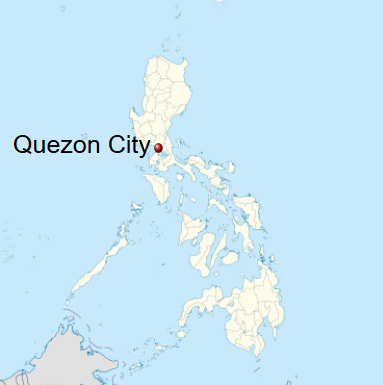
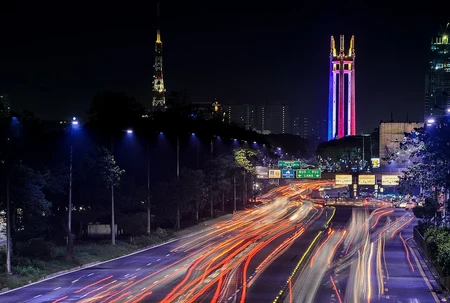
Quezon City is a relative newcomer, it was founded in 1939 and designed to be the new capital of the Philippines. It was thought that Manila was becoming too crowded, and some government departments made the move to a new capital when it was officially proclaimed in 1949. However, a presidential decree in 1976 reverted the capital status back to Manila.
The name of the city was named in honour of the second president of the Philippines, Manuel L. Quezon, who served from 1935 until his death in 1944.
QUEZON CITY = NAMED AFTER PRESIDENT MANUEL L. QUEZON
Ho Chi Minh City ~ Vietnam
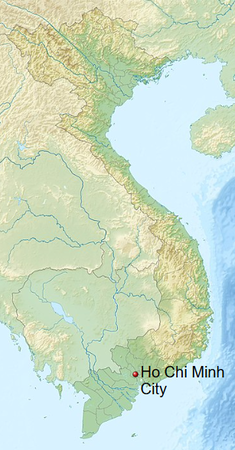
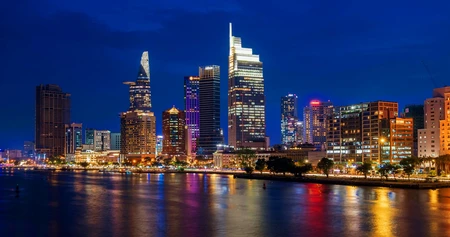
Ho Chi Minh City, or HCMC as it is sometimes known, was formerly called Saigon, a name that is retained in local conversations. The name changed after the North Vietnamese Army took over South Vietnam in 1976 marking the end of the controversial Vietnam War.
The city was named to commemorate Ho Chi Minh, the former leader of North Vietnam. He is sometimes known as Uncle Ho!
HO CHI MINH CITY = NAMED AFTER HO CHI MINH
Yangon ~ Myanmar
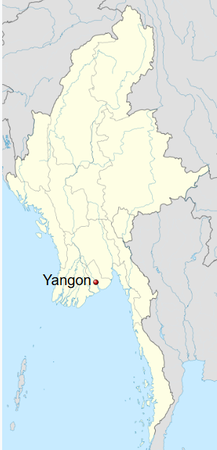
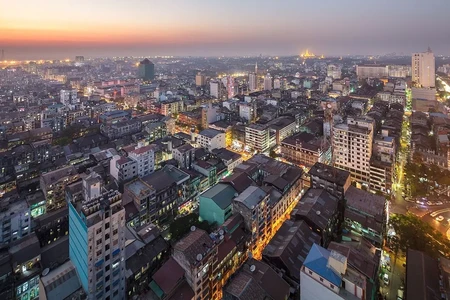
Formerly known by it's Romanised name of Rangoon, Yangon is the former capital of Myanmar. The capital was moved to Naypyidaw in 2006 by the military government. The city is home to the Shwedagon Pagoda, the most sacred Buddhist pagoda in Myanmar. From 1852 to 1948, Yangon was the colonial commercial centre of British Burma.
The name of the city comes from two words in the Burmese language, yan and koun which mean 'enemies' and 'run out of', respectively. This combination can be read as "End of Strife"
YANGON = END OF STRIFE
Chiang Mai ~ Thailand
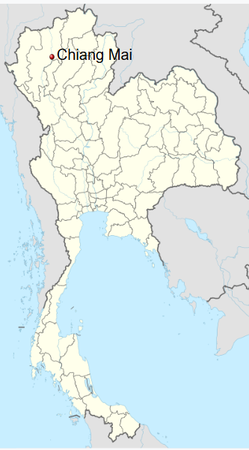
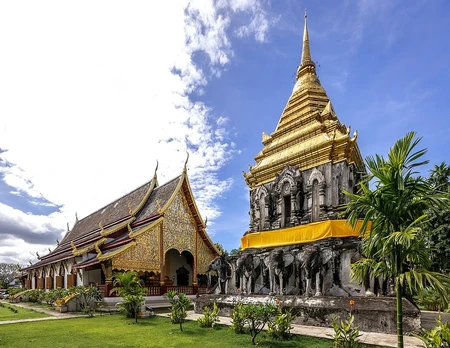
Chiang Mai was founded in 1296 and soon became an important settlement on the Ping River, helped by its proximity to major trade routes. However, the city was all but abandoned by the 18th century due to local tribal conflicts. A newer modern city was created in 1916 and became an official city in 1935.
The name comes from the Thai language and despite its age it translates to "New City". I suppose it was new when it was founded!
CHIANG MAI = NEW CITY
Savannakhet ~ Laos
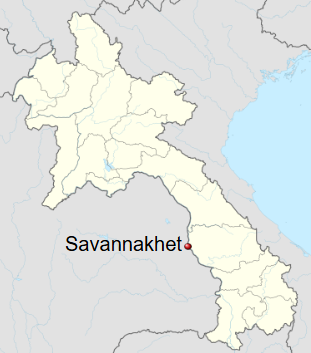
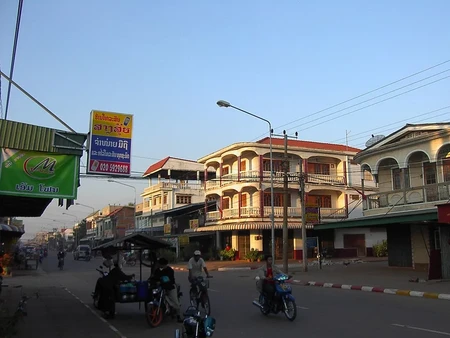
Savannakhet's official name is Kaysone Phomvihane, which is the name of the first leader of Laos. He was in charge after the dissolution of the Kingdom of Laos in 1975. The older part of the town is run-down, but the newer part nearer to the border has been boosted by Thailand's booming economy. New commercial centres have been built to exploit this proximity to Thailand.
Savannakhet takes it's name from the province surrounding it. The name derives from the Lao words Savanh Nakhone, meaning "heavenly district" or "land of fertility suitable for agriculture''.
SAVANNAKHET = HEAVENLY DISTRICT or LAND OF FERTILITY
Siem Reap ~ Cambodia
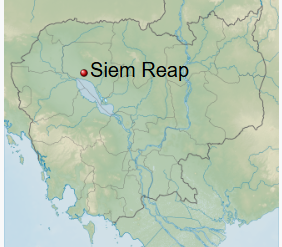
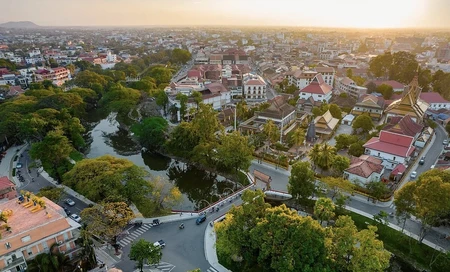
Siem Reap is one of Cambodia's major tourist destinations. This is mainly due to the nearby Angkor Wat temples that have justified the growth of hotels, resorts, and restaurants in the city. It was named a City of Culture in 2021 by the Association of South East Asian Nations or ASEAN for short.
The name is thought to have originated in folklore about an incident in the centuries-old conflict between the Siamese and Khmer kingdoms and means "Defeat of Siam" in the Khmer language. Siam is spelt Siem in that language.
SIEM REAP = DEFEAT OF SIAM
George Town ~ Malaysia
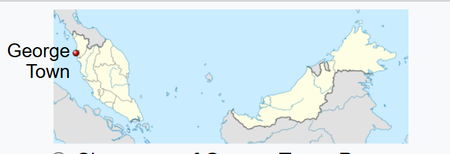
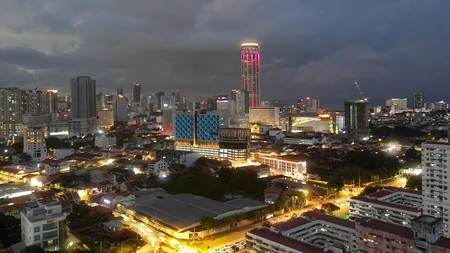
George Town was founded in 1786 as a trade port where goods could be transhipped from vessel to vessel without incurring taxes. It grew quickly and was the first British settlement in South East Asia. The city is described by UNESCO as being unique architecturally and culturally due to the mingling of many cultures and nationalities over many centuries.
The name is always written George Town rather than Georgetown to prevent being mistaken for other settlements around the world. It is also usually suffixed by Penang, the name of the surrounding state. George Town is named after King George III of England.
GEORGE TOWN = NAMED AFTER KING GEORGE III
Geylang ~ Singapore
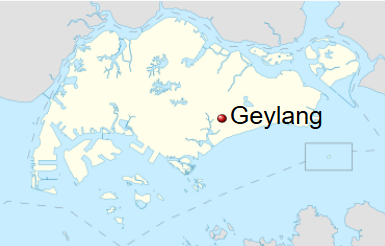
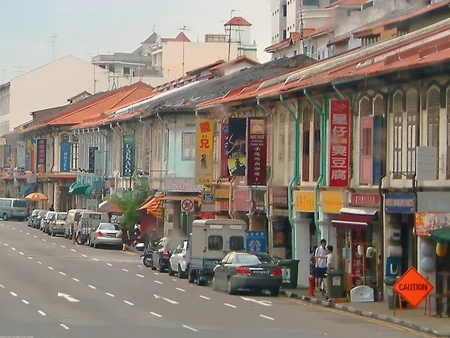
Geylang was for many years known as Singapore's red light district, nowadays, it is a township that is changing with the times, but at the same time, keeping some of it's traditional shops and houses.
There are three possible explanations of the origin of the name Geylang. It may have been a corruption of the name of the nearby river, the Kallang River. The name appeared on an 1830 map as Kilang, but later maps had Kelang. In Malay, kelang is almost indistinguishable from geylang.
Another explanation is similar in that kilang also means ''mill'' or ''factory'' and could refer to the presses and mills used on nearby coconut plantations to process the milk. In the same vein, geylanggan means "to twist or crush" in Malay.
GEYLANG = MILL or CRUSH (Possibly)
Surabaya ~ Indonesia
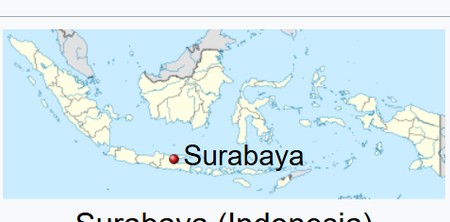
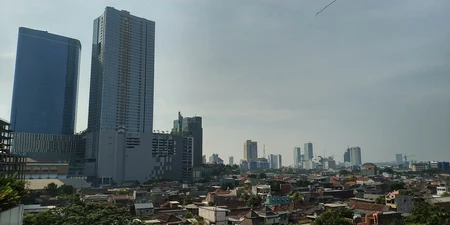
Surabaya was first settled in the 10th century, and by the 16th century had become a large port and trading post. Up to the mid 20th century the city was the largest city in the Dutch East Indies, competing for trade with Shanghai and Hong Kong. Major exports of sugar, tobacco, and coffee still travel through the port.
The name of Surabaya comes from the Javanese phrase, "sura ing baya" that means ''bravely facing danger''. It refers to a prophecy by the 12th century psychic king, Jayabaya, who foresaw a great fight between a giant white shark and a giant white crocodile in the area. Some scholars believe it was refering to an invasion by the Mongol Empire. The two animals are now used as a symbol of the city.
SURABAYA = BRAVELY FACING DANGER
Kuala Belait ~ Brunei
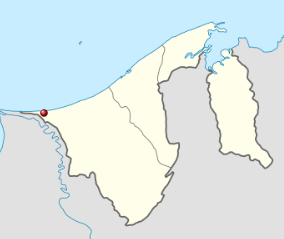
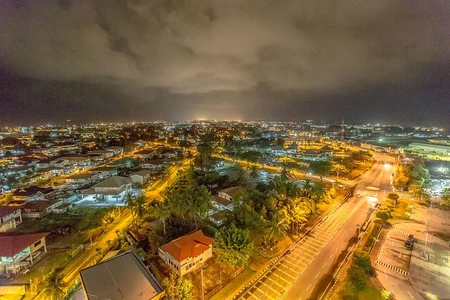
Prior to 1909, KB, as it is sometimes known, was little more than a fishing village, but the discovery of oil nearby caused the building of a road to the capital, Bandar Seri Begawan. This provided the access to the village and as such was instrumental in the growth of KB. The town saw significant action during the Second World War when Brunei came under the control of Japan.
The Malay word kuala means "estuary" and Belait is the name of the river running through the city. The river was named after the indigenous people, the Belait.
KUALA BELAIT = MOUTH OF THE BELAIT RIVER
Baucau ~ East Timor
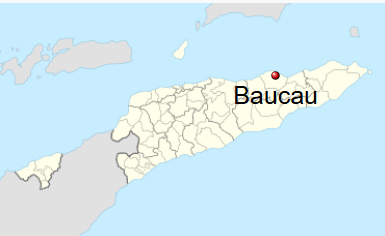
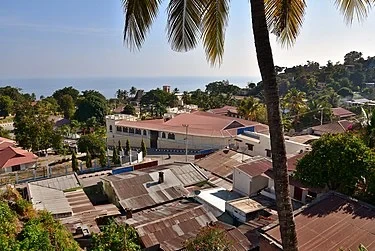
Baucau suffered during the carnage that followed the country's fight for independence, many government buildings were burnt down and the city was left without electricity or a telephone system. The city has since recovered, however, there are still many empty, damaged buildings.
Baucau takes its name from the greater community around it. This name is derived from the local Waimoa language word, akau which translates to "pig"
BAUCAU = PIG
Summary
Well, here we are again. The final section of the final blog of a continent. In this case, Asia. Once again, I am just typing what springs to mind. It may look smooth, but trust me, this section always takes longer to write. I sometimes have to leave it for an hour or two, or even longer. I will watch a movie on TV, clean the car, or even take the dogs for a walk, then come back and see if anything pops to the front of my head. Much of this "inspiration" is completely irrelevant to the blog, but at least there is something for you to read, if you want.
Our next trip or blog will take in the Pacific nations, starting in PNG (That's Papua New Guinea in JetPunk language) and cruising around the world's largest ocean. Incidentally, the Pacific was named by Portuguese explorer Ferdinand Magellan, who called it Mar Pacífico which means "peaceful sea".
Anywho, that's it for now, so in the words of Douglas Adams, "So long, and thanks for all the fish."
From Khmer language, "town in the forest"
From Chinese, "tribute from the west"
From Cantonese, "embankment"
But from the Vietnam Discovery website, "Sai Gon means the wood of kapok tree."
I don't think anyone knows for definite.
truckie bloggertoowise!