

Second City Origins ~ Europe Part 2
First published: Friday August 16th, 2024
Report this blog
- Introduction
- Antwerp ~ Belgium
- Esch-sur-Alzette ~ Luxembourg
- Marseille ~ France
- Barcelona ~ Spain
- Porto ~ Portugal
- Escaldes-Engordany ~ Andorra
- Monte-Carlo ~ Monaco
- Zurich ~ Switzerland
- Dogana ~ San Marino
- Milan ~ Italy
- Apostolic Palace ~ Vatican City
- Schaan ~ Liechtenstein
- Graz ~ Austria
- Košice ~ Slovakia
- Brno ~ Czech Republic
- Summary
Introduction
As always a short prologue to the main blog.
I am already enjoying researching the etymology of these second cities, often overlooked, these places are sometimes just as interesting as the capital city. Some were even replaced as the capital by another settlement, usually for some obscure reason that possibly had a connection to money and who was getting it! I couldn't possibly comment on which ones!
We started in the last blog with Northern Europe, today we shall be concentrating on Western and Central Europe, including the tiny sovereign state of Vatican City. At the time of writing, I haven't yet decided if I am going to include the home of His Holiness, but I will have by the time I get there.
In fact, whilst reading the words I wrote, I have decided. I will include the Holy See. I'm not sure how yet.
Anyway, enough chit-chat, let's get on with the show.....
Antwerp ~ Belgium
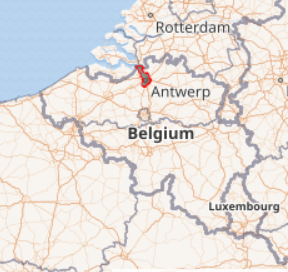
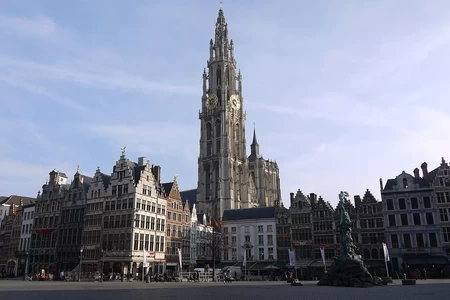
Antwerp has its origins in the 2nd century and was settled and named by Germanic tribes as early as the 4th century. It held the Summer Olympics in 1920 and is today known as the centre of the world's diamond trade.
Its name according to scholars in Germanic history derives from the prefix anda, and the word werpen, meaning "against" and "to throw" respectively. It is thought to denote land thrown up by a river, a sandbank or a muddy beach perhaps.
ANTWERP = LAND THROWN UP BY THE RIVER
Esch-sur-Alzette ~ Luxembourg
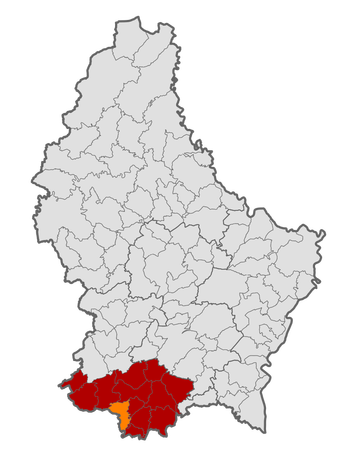
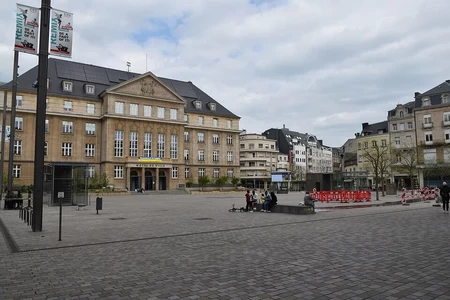
First mentioned in 1128, Esch was a small farming community until huge deposits of iron ore were found in the 1850's. The last factory of the industry closed down in 1997.
The origin of the name comes from the Old German language, esch meaning "grainfield" or "pasture". The "-sur-Alzette" part of the name is used to avoid confusion with a similarly named village just twenty eight miles north. Esch is situated on the Alzette river.
ESCH-SUR-ALZETTE = PASTURE ON THE ALZETTE
Marseille ~ France
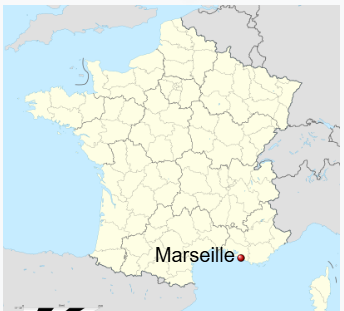
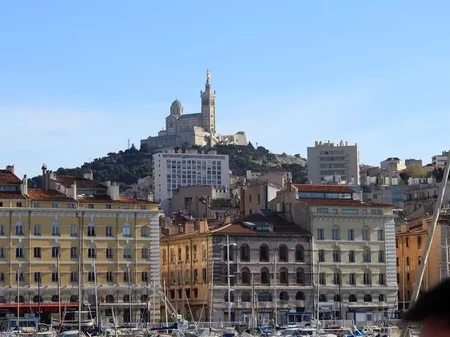
Founded around 600BC, Marseille is the oldest city in France as well as one of Europe's oldest continuously inhabited cities. It was known to the Romans as Massilia.
The origin of the name Marseille is unknown, however, it is thought to have come from the pre Latin language of Ancient Ligurian. It may derive from the word mas meaning "spring"
MARSEILLE = SPRING
Barcelona ~ Spain
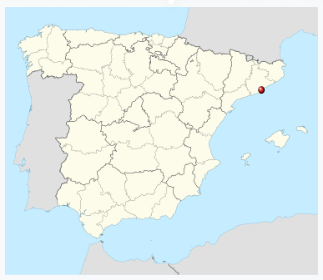
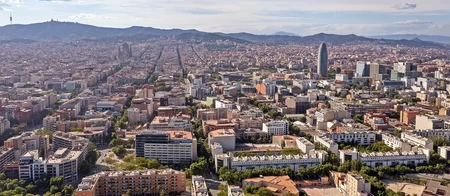
Barcelona has been blessed with several names over the years, including Barchinona, Barçalona, Barchelonaa, and Barchenona. In Latin, it is known as Barcanona.
It was originally thought that the city was named after a Carthaginian general, Hamilcar Barca, however no evidence of his existence exists. Another legend is that one of Hercules' ships got lost and wound up on the coast of Spain. It was the ninth ship which in Latin translates to barca nona. I like this story, so...
BARCELONA = NINTH SHIP
Porto ~ Portugal
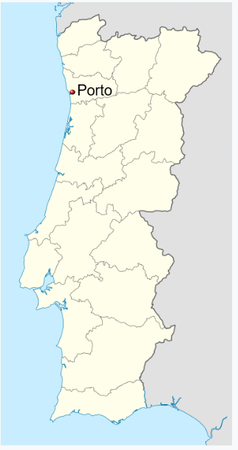
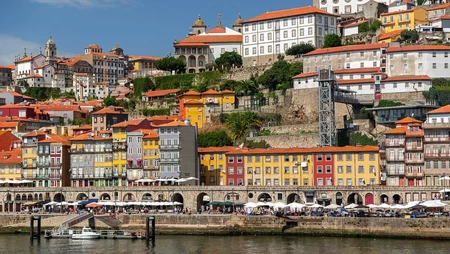
Porto dates back to pre-Roman times, there is evidence of Celtic settlements in the area from around the 8th century BC.
During the Roman Empire, the city was known as Portus Cale in Latin. This translates to "The port is safe" or possibly "safe port". There are also suggestions that the Cale part of the name could also mean either "warm" or "beautiful", either would be suitable. However, it isn't the Cale part of the name we are interested in, and no-one is disputing that the Portus bit means "port".
PORTO = PORT
Escaldes-Engordany ~ Andorra
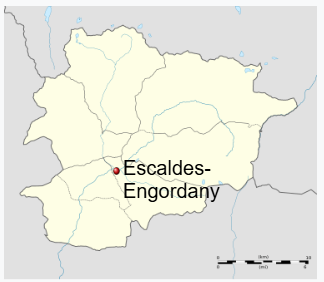
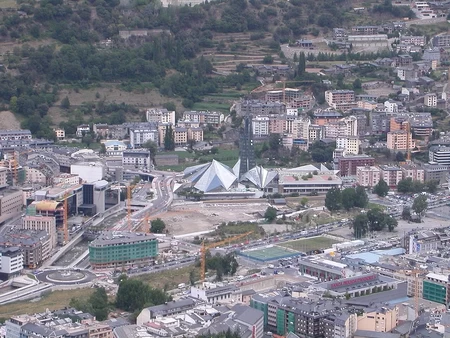
This second city comprises of two towns, les Escaldes and, wait for it.....Engordany! It became a parish fairly recently in 1978.
Escaldes derives from the nearby hot springs, escaldes in Catalan means "scalds" whereas engordany translates to "chubby"!
ESCALDES-ENGORDANY = SCALDING AND CHUBBY!
Monte-Carlo ~ Monaco
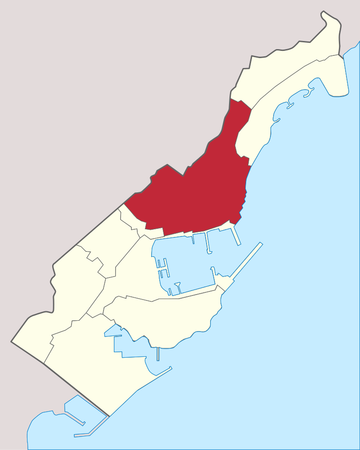
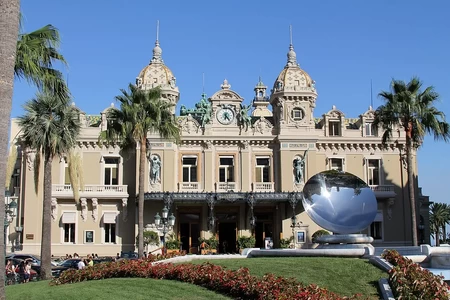
Monte Carlo translates from Latin to Mount Charles, and is named after Charles III of Monaco.
MONTE CARLO = MOUNT CHARLES
Zurich ~ Switzerland
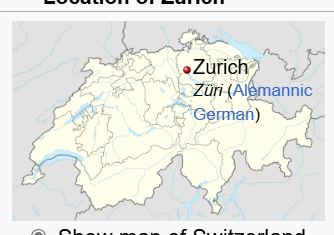
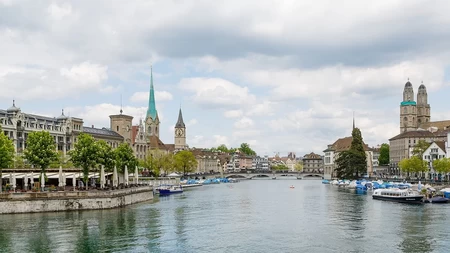
Zurich is actually the largest city in Switzerland, but due to my own rules of the blog, I am using the largest non-capital city.
Its name derives from Turicum as it was known in Roman times, in fact, it is still known as Turitg in the Swiss Romansch language. It is thought that the name is a derivation of the personal Gaulish name of Turos. So Zurich means...
ZURICH = PLACE OF TUROS
Dogana ~ San Marino
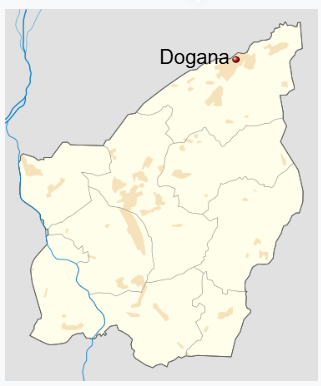
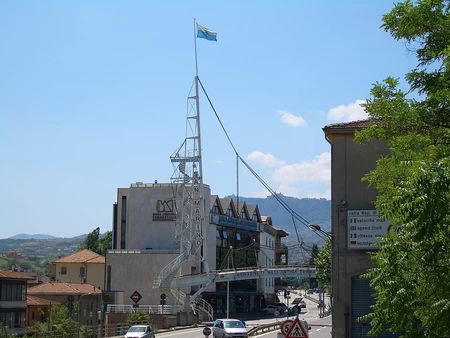
Once again, Dogana is the largest settlement in San Marino, but it isn't the capital. It sits on the border with Italy and as such is the main entry point to the country.
Dogana means "customS house" in Italian, however, there are no formalities for entering San Marino from Italy.
DOGANA = CUSTOMS HOUSE
Milan ~ Italy
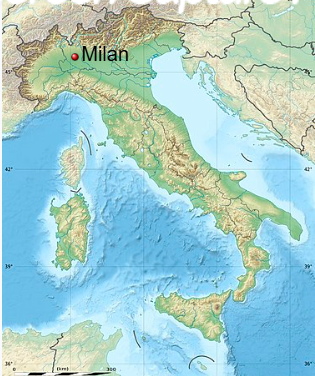
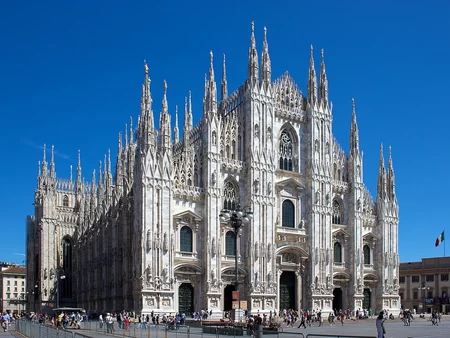
Milan is the manufacturing and financial centre of Italy. It is apparently the 16th most visited city world-wide!
It was originally founded by Celtic tribes in around 400BC and named Medhelanon from which it's current name derives. In the Celtic language medhe- meant "middle, or centre" and -lanon means "plain". Although, there is a theory that the name means "half wool" referring to a wool-bearing boar supposedly found in the area.
MILAN = MIDDLE OF THE PLAIN
Apostolic Palace ~ Vatican City
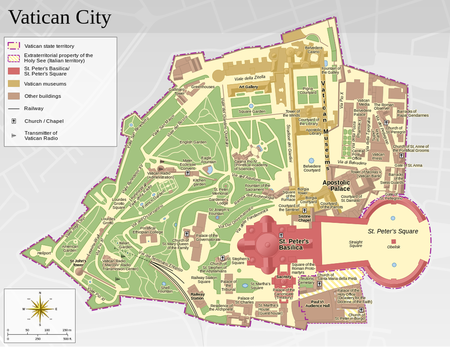
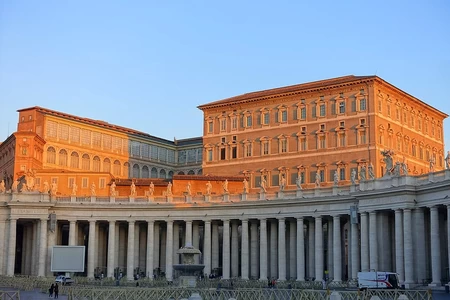
I was stumped a little by the Vatican, so I decided to go with the largest residential building in the tiny country. The Apostolic Palace is the residence of His Holiness The Pope, as well as many Cardinals and other staff. It is also known as the Papal Palace or Vatican Palace.
The word apostolic means "relating to the Apostles" or "relating to the Pope"
APOSTOLIC PALACE = POPES PALACE
Schaan ~ Liechtenstein
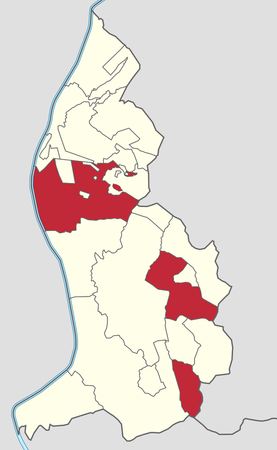
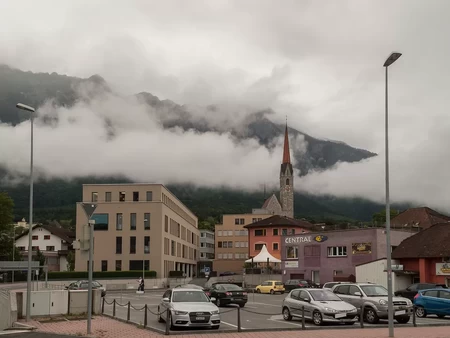
Schaan is, at least up till now, unique, in that it has exclaves. Although in a country as small as Liechtenstein this doesn't appear too extreme. There is evidence of human occupation in the area for at least 6,000 years.
The name Schaan has two possible origins, from a Middle High German word, schane meaning either "land" or "beautiful". It could of course be a combination of the two meanings.
SCHAAN = BEAUTIFUL LAND
Graz ~ Austria
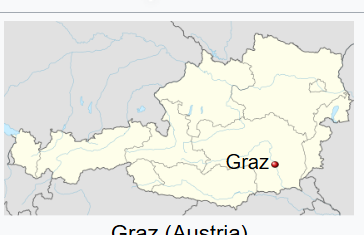
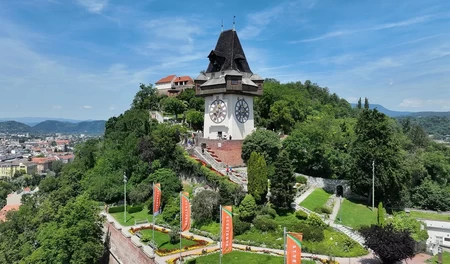
Graz is known as a college and university city, with four colleges and four universities, there is obviously a large student population in the city. The city's Altstadt or old town was added to the UNESCO list of World Heritage Sites in 1999.
It's name probably has Slavic origins, and most likely stems from the word gradec meaning "small castle". Archaeological finds suggest an ancient castle built during the Alpine Slavic reign.
GRAZ = SMALL CASTLE
Košice ~ Slovakia
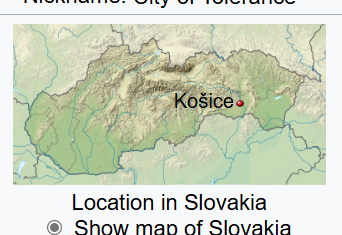
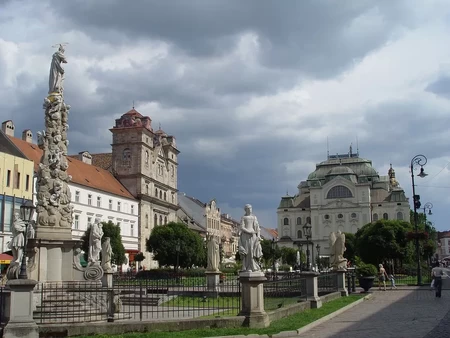
Kosice has the largest old town amongst Slavic communities, there are many different styles of architecture in the city. It is also known as the first European settlement to be granted its own coat of arms.
The name is thought to derive from a personal name, Kos or Kosa, the first recorded mention of the city is in 1280 as Villa Cassa. The suffix -ice in Slavic means "of a father".
KOSICE = PLACE OF KOS
Brno ~ Czech Republic
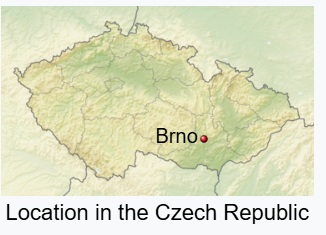
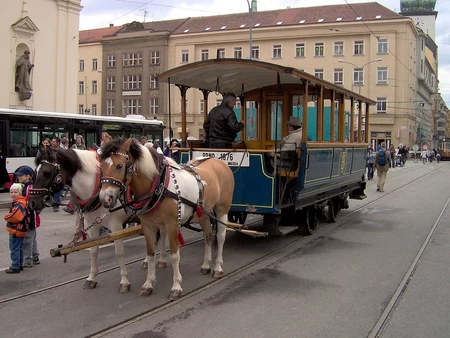
Brno is a centre for culture in Central Europe, it has the largest exhibition centre and is known for motorcycle racing and fireworks competitions. There are music festivals and the city was named a City of Music by UNESCO in 2017.
There is some dispute over the etymology of Brno. It may be derived from the Old Czech word brnie meaning "muddy or swamp". Or from the Slavic verb brniti meaning "to armour or fortify" or even from the Celtic word for hill as used in the Welsh bryn. So, what do we choose ? Swamp, armoured or hill? The Celts were the area's original settlers, followed by Germanic tribes and Slavs. Let's go with that!
BRNO = HILL
Summary
So that's number two in the series. Next, we head east and south, from the plains of Hungary down through the Balkans, into Greece followed by a short swim over to Malta. After that, I have the daunting challenge of researching Africa's second cities. Information was scant enough with the capital cities, so presumably, smaller places will be even more difficult. But I shall persevere, I will not just make something up to finish the blog, (As if I would do such a thing). But I'm getting ahead of myself.
I would like to apologize for my entry for Vatican City, I thought I should at least put something in and at the last minute I hit on the idea of the largest building. However, the largest building is St. Peters, a basilica or church, not really in the keeping as a second city. I then thought of residential, people live there as they do in a city, so that's where I went. Sorry, but better than a complete omission I think you'll agree.
That's it for now, the next episode will hit the blog section in a week or so, all being well.
Thanks for reading!
Another well written blog toowise! I agree on the Brno decision, although I think that a city named Swamp would be better. Maybe I'll start a town with that name in the future?