
Second City Origins ~ Europe Part 3
First published: Sunday September 8th, 2024
Report this blog
- Introduction
- Debrecen ~ Hungary
- Cluj-Napoca ~ Romania
- Balti ~ Moldova
- Kharkiv ~ Ukraine
- Maribor ~ Slovenia
- Split ~ Croatia
- Novi Sad ~ Serbia
- Banja Luka ~ Bosnia and Herzegovina
- Niksic ~ Montenegro
- Prizren ~ Kosovo
- Kumanovo ~ North Macedonia
- Durres ~ Albania
- Plovdiv ~ Bulgaria
- Thessaloniki ~ Greece
- St.Paul's Bay ~ Malta
- Summary
Introduction
Well, here we are again. The third episode in the blog series and the last part of Europe, Europe's Final Countdown if you like. (See what I did there?, Europe, The Final Countdown? ah well, if you know you know, if you don't, ask your mom!).
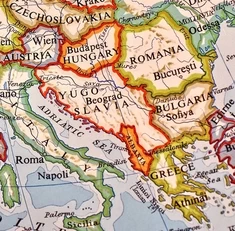
This time, we shall be venturing into Eastern Europe and the Balkans plus Malta. I hadn't heard of a couple of these cities, so it was a journey of discovery for me too. Every day is a school day, as the saying goes. Even at my advanced age I still enjoy learning new things. I think it is important to keep the brain active, use it, or lose it, as another saying goes. Too many saying, not enough facts!, Let's move on to our first city....
Debrecen ~ Hungary
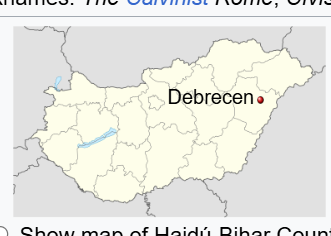
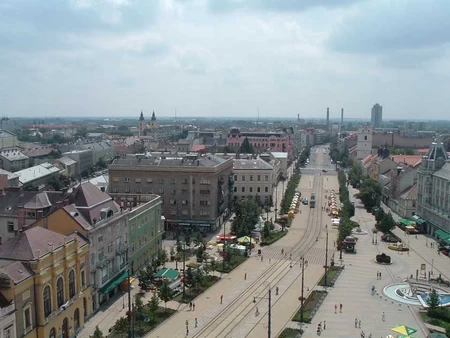
Debrecen is an important cultural city for the Hungarian people, it was the capital city during the 1848-9 revolution and again at the end of World War II.
There are three theories as to the origin of the city's name. Firstly, it is thought to come from the Turkic word debresin which means "live" or "move". Secondly, it is theorised that the name derives from the Slavic language and means "well esteemed". The third theory is that it is Proto-Slavic and means "gorge"
So which is it? I've no idea but I rather like the "well-esteemed" theory.
DEBRECEN = WELL ESTEEMED
Cluj-Napoca ~ Romania
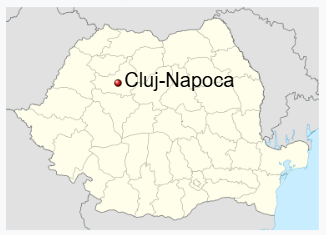
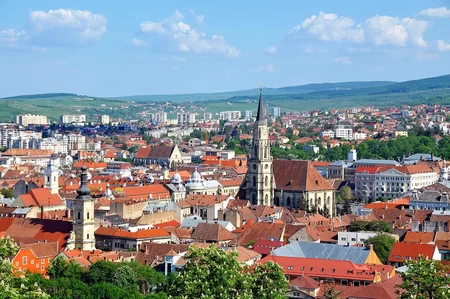
This city is nowadays known as the unofficial capital of Transylvania, before 1867, it was the official capital of the Grand Principality of Transylvania. Yes, that Transylvania, Dracula, Vampires, and bats!
Obviously, the name is made up of two sections that were originally two smaller settlements that over the years have grown together into a single conglomeration.
The first part of the name, Cluj, may have derived from the Latin word clusa meaning "closed place" or "ravine". Whereas the second part, Napoca, is thought to originate from the Greek term napos meaning "timbered valley".
CLUJ-NAPOCA = RAVINE IN A TIMBERED VALLEY
Balti ~ Moldova
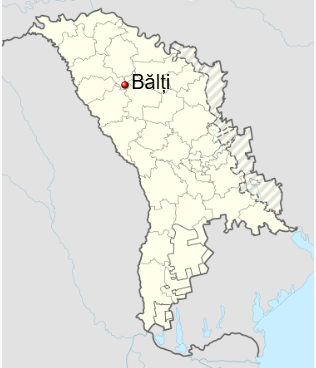
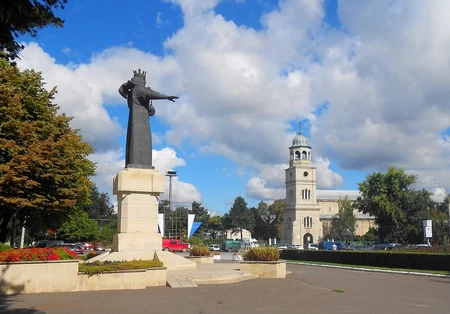
Balti, or to put it correctly, Bălți , is a city in the northern part of Moldova. In fact, it is sometimes referred to as the "Northern Capital". It is a major cultural, commercial, and industrial centre.
Its name can be derived from the Romanian language of which bălți is the plural of baltă meaning "puddle". It is thought this name was given to the town when it was founded on a hill surrounded by wetlands.
BALTI = PUDDLES
Kharkiv ~ Ukraine
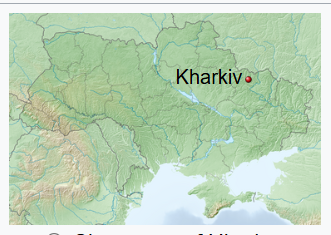
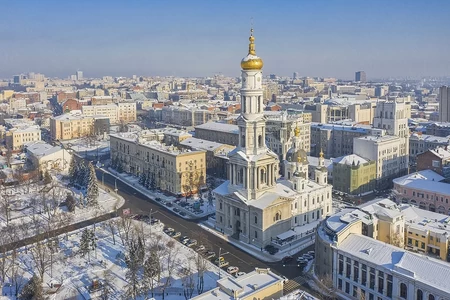
I shall use Kharkiv as the second city of Ukraine, despite the recent conflict with Russia, which no doubt has lowered the local population, it is still the second largest city after Kyiv.
Its name, quite simply, comes from the name of its Cossack founder Kharko who began building a fortress in the middle of the 17th century.
KHARKIV = NAMED AFTER KHARKO THE COSSACK
Maribor ~ Slovenia
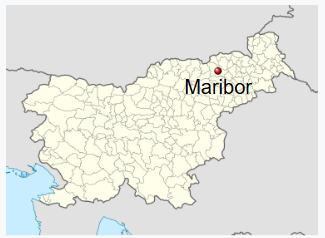
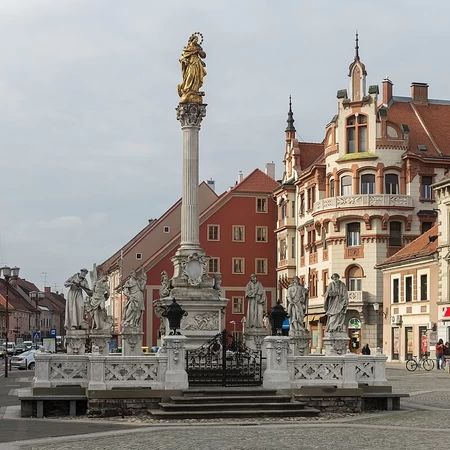
The city of Maribor was first mentioned as a castle in 1164, as a settlement in 1209, and as a city in 1254. It has various names depending on which language you use, although in the early days, it was known as Marpurch, meaning "borderland fortress."
The name Maribor was first coined by a Slovenian poet, Stanko Vraz, in 1836. He gave the name a Slovene mixture of words, Mar, i, and bor. Which translates as "to care and to fight for".
MARIBOR = TO CARE AND TO FIGHT FOR
Split ~ Croatia
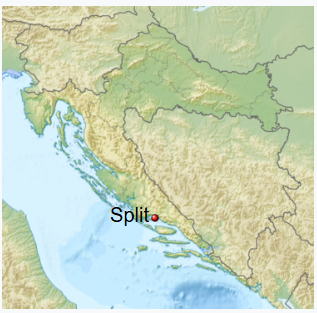
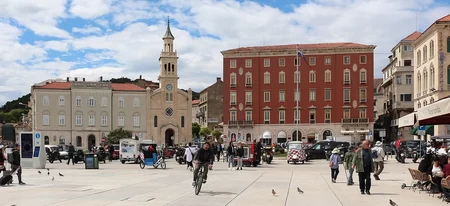
The city of Split with its marble streets and narrow alleyways dates back to around the third century BC when it was founded as a Greek colony. It was known then as Aspalathos. It was occupied by the Romans and the Emperor Diocletian built his palace there in around AD300.
Its name has evolved many times since then to the current name of Split. It is thought that the original name derives from a plant that is common to the area, Spartium junceum or Spanish Broom.
SPLIT = SPANISH BROOM
Novi Sad ~ Serbia
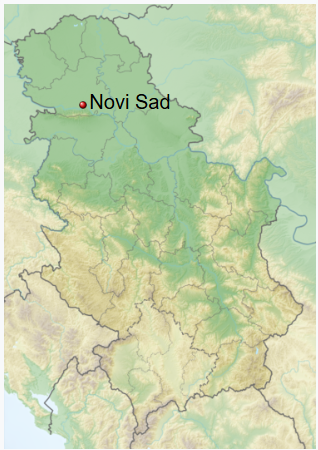
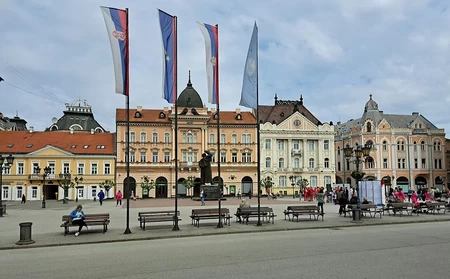
Novi Sad is the largest city on the Danube River that is not a capital city, it is the fifth largest city on the river overall.
Its name can be directly translated from the native language of Serbia, meaning "New Plantation". Its Latin name is Neoplanta.
NOVI SAD = NEW PLANTATION
Banja Luka ~ Bosnia and Herzegovina
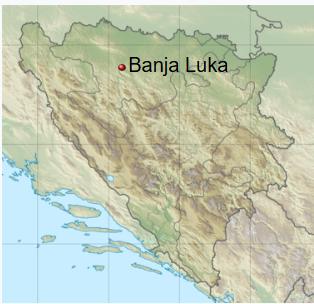
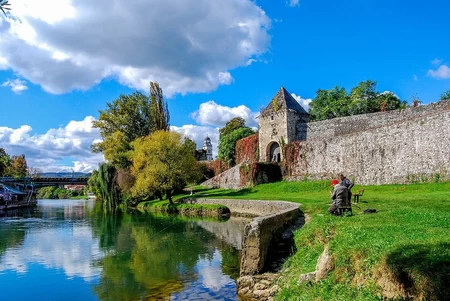
The history of Banja Luka dates back to ancient times and there is evidence of Roman occupation including the Kastel fort in the centre of the city.
There are a few interpretations of the name, the oldest dating back to the 15th century suggests a meaning of "Ban's Meadow" taking the noble title of Ban and the luka which means "meadow". Other suggestions liken the "Banja" part of the name to a spa or bath.
BANJA LUKA = BAN'S MEADOW
Niksic ~ Montenegro
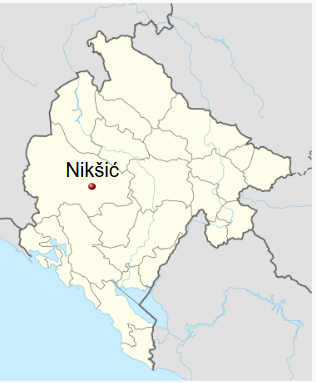
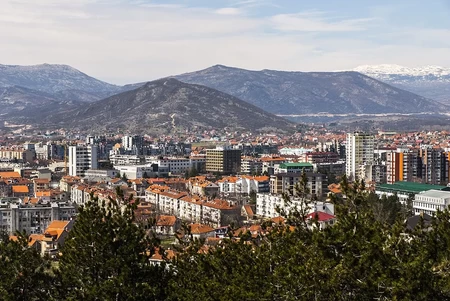
Another Balkan city with origins in ancient times, it was also settled by Roman occupiers in the 3rd or 4th century.
Its name derives from an ancient tribe that lived in the area, the Nikšići tribe. Their name is thought to derive from the tribes founder called Niksa.
NIKSIC = HOME OF NIKSA
Prizren ~ Kosovo
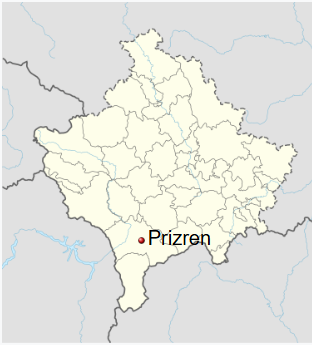
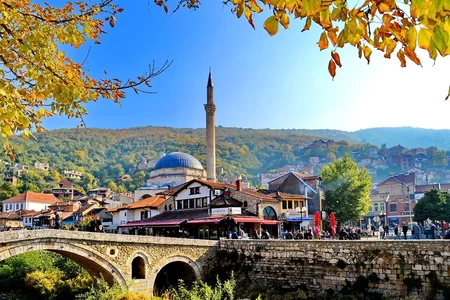
The fortress in Prizren has been dated by archaeological excavations as dating back to at least the Bronze Age.
It has been suggested that the name of the city has its derivation in Albanian, and could mean "four-horned animal", although there is no reference to which animal it may be.
PRIZREN = FOUR HORNED ANIMAL
Kumanovo ~ North Macedonia
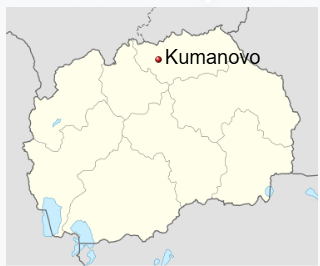
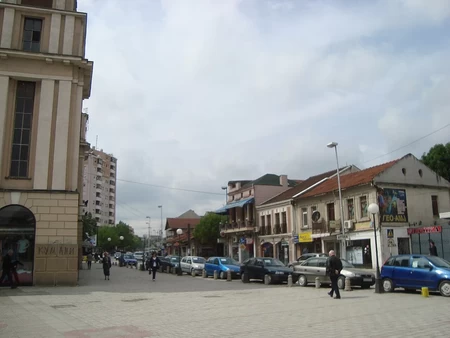
This city was decisive in the First Balkan War in 1912 where the Ottoman Empire was defeated after a two day battle.
Another city named after the tribe that occupied the land in ancient times, Kumanovo is derived from the Cuman tribe. The tribes name itself could be traced to several meanings, the colour of their hair, a water vessel, their horses or it could mean "force" or "power". I'll let you decide.
KUMANOVO = HOME OF THE CUMAN TRIBE
Durres ~ Albania
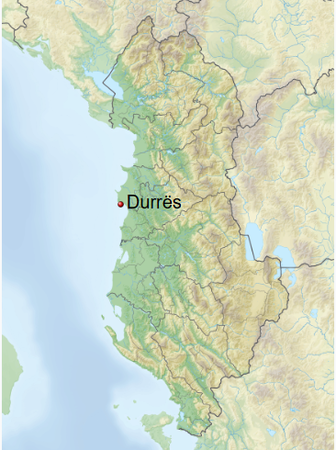
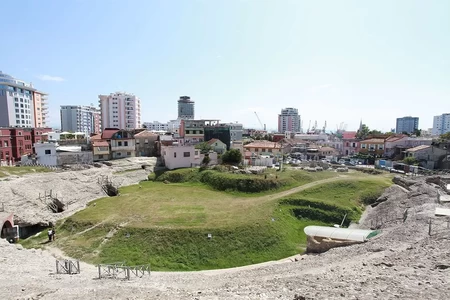
Durres is the oldest city in Albania and dates back to at least the tenth century BC.
Because of its age, the city has been known by various names, the current, Durres, derives from its former name of Dyrrhachion, the meaning of which derives from Greek, and means "bad, rocky shore".
DURRES = BAD ROCKY SHORE
Plovdiv ~ Bulgaria
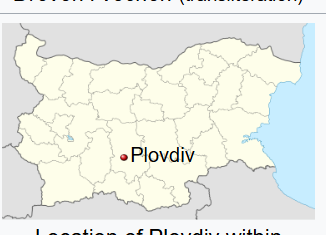
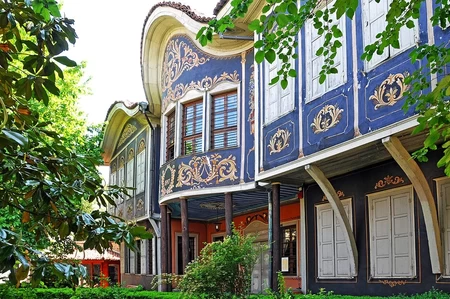
There is evidence of habitation in Plovdiv dating back several millennia, with neolithic settlements being excavated.
The Greeks called the city Poneropolis meaning "town of villains", the Romans called it Trimontium meaning "City of Three Hills" but its modern name of Plovdiv derives from a ninth-century name of Pulpudeva which translates to "Lake City". As much as I like "Town of Villains" I must stay true to the cause.
PLOVDIV = LAKE CITY
Thessaloniki ~ Greece
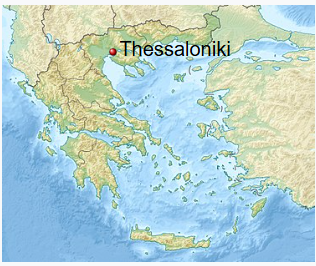
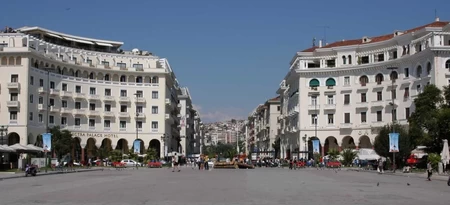
Thessaloniki is known colloquially in Greece as the "co-capital", a reference to its status in the Byzantine Empire as a joint capital with Constantinople.
The city was named after Princess Thessalonike of Macedon, the half sister of Alexander the Great. Her name means "Thessalian victory" honouring the Macedonian victory at the Battle of Crocus Field in 352 BC.
THESSALONIKI = NAMED AFTER PRINCESS THESSALONIKE OF MACEDON
St.Paul's Bay ~ Malta
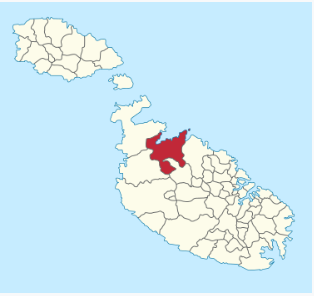
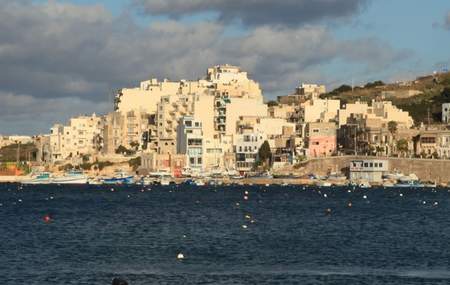
In Maltese, this town's name is San Pawl il-Baħar a direct translation from English.
It was named to commemorate the shipwreck of St. Paul while on a journey from Caesarea to Rome, an event that laid the foundations of Christianity on the island. The shipwreck is documented in the Acts of the Apostles (Acts 27)
ST.PAUL'S BAY = NAMED AFTER ST. PAUL
Summary
Firstly, I would like to apologize. A few of the location maps have a border that sometimes has vestiges of text around it. This is because I used a screenshot tool to capture each map from Wikipedia, if I opened the picture, the dot and placename disappeared, so the usual method for adding pictures from there would just be a map of the country with no indication of the whereabouts of the city. Unfortunately, occasionally the pic will not reduce enough to cut out the surrounding text. Can I also apologize for what seems like a long-winded explanation, Sorry again!
Anyways, that is it for Europe. Up next, Africa! These next few blogs are a little daunting if I'm being honest, and why wouldn't I be, honest I mean not daunted! You see, there isn't as much information about second cities as there is for capitals, and if I remember correctly, Africa was quite difficult in the last lot of etymologies I did, ah well, nothing ventured, nothing gained. It may just take a little longer.
So, I'll see you all soon, figuratively of course, I'm not going to pop round for a cup of tea unannounced, that would be rude. I'll call first!
Off to Africa we go......
pssst. ever made a blog of your travels?
anyways
Great blog! I also enjoy Town of Villains, apparently the Greeks did not hold the residents of Plovdiv in very high esteem