
Virtual Road Trip - US Route 1 - Part 4
First published: Sunday June 22nd, 2025
Report this blog
Maine (yup, still here)
41. Scarborough
After a great nights sleep it's good to get on the road again, I do hope we get out of Maine.
Scarborough began as a settlement of around fifty homes, involving in farming and fishing, that were incorporated as a town in 1658. Between then and the signing of a truce in 1699, the homes were razed to the ground and the townsfolk either left or were murdered by native American tribes. Despite the truce, the French and natives tried to take the town again, but failed. By 1749 the town had become prosperous and settled.
The author, Stephen King, grew up in Scarborough, hmm, best get out of here if Scarborough is anything like his books!
The town of Scarborough is named after the town in Yorkshire, England.
42. West Scarborough
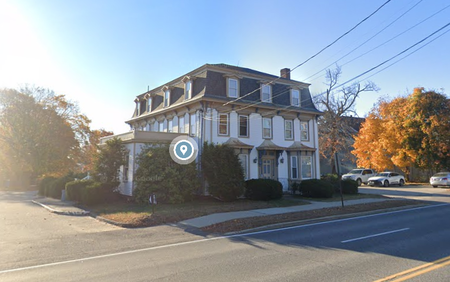
Not much can be said about this settlement, it is just a suburb of the other Scarborough. Business and residential properties have increased over the last twenty years or so, but it still seems like one of those places you just drive through to get somewhere else.
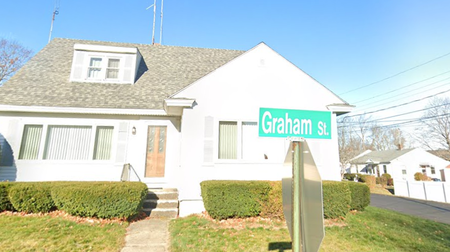
There are some nice properties though...
43. Saco
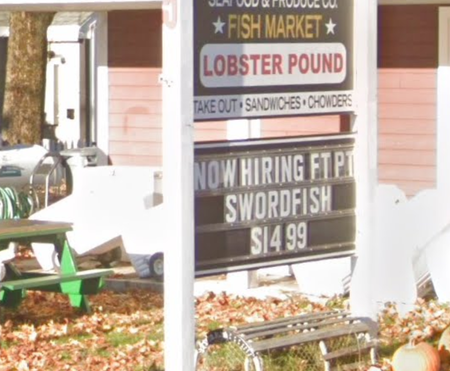
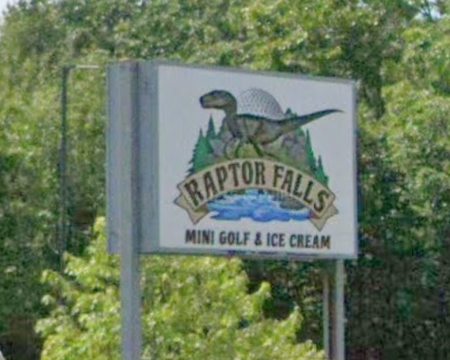
Saco is much busier in the summer months due to it's theme parks, seafront, and golf courses. It's history is much like other towns in Maine, it's early years were fraught with battles and massacres.
In 1775, it was incorporated as the town of Pepperellborough, but residents thought the name too cumbersome and in 1805 it was renamed Saco. The name comes from the indigenous Abenaki language and means "land where the river comes out".
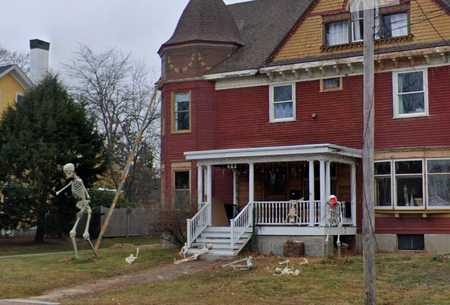
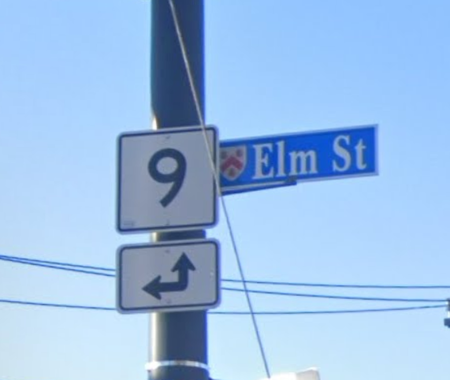
Saco's textile industry faded in the early 20th century, but many historic buildings are still in use from it's busier times.
44. Biddeford
Route 1 passes over Factory Island, set in the middle of the Saco River, situated between the two towns. It was the site of the aforementioned textile industry that was a major employer for both settlements. The picture on the right shows the extent of the industry.
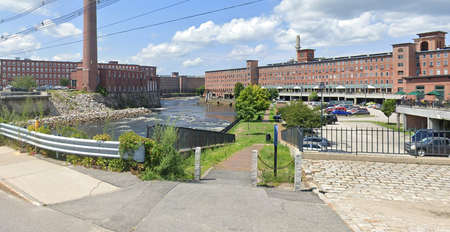
Biddeford was originally named Saco, but when the towns grew, Biddeford became a separate entity in 1718, named after the town of Bideford in Devon, England.
Many of the old mills have now been repurposed into shopping centres, art studios, and upmarket apartments.
45. Kennebunk
First settled in 1621(according to Wikipedia anyway), Kennebunk became a trading post and later a centre for shipbuilding. Other industries came into the area when shipbuilding declined in the 1920s.
Like it's more famous neighbour, Kennebunkport, this town is also a tourist centre, especially in the summer months. Unfortunately, we won't be visiting the summer home of George H.W. Bush as Route 1 doesn't go there.
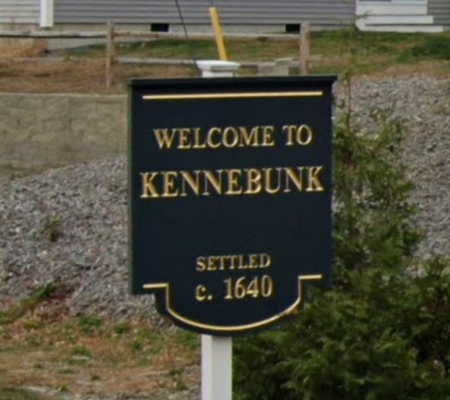
The name comes from the Abanaki people and means "the long cut bank" possibly referring to the bank behind the beach. On the town seal is an elm tree, this was called the Lafayette Elm and was planted to commemorate the visit to the town in 1825 of General Lafayette, a French officer who volunteered to join the Continental Army. It (the tree, not the General) became famous for it's age, size, and surviving Dutch Elm Disease.
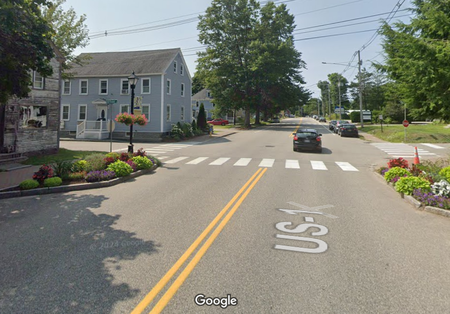
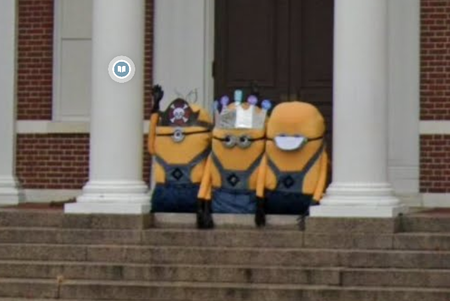
46. Wells
Wells was the third town to be incorporated in Maine in 1653, it was named after the cathedral city of Wells in Somerset, England. Wells was the frontier town of the English colony, with many settlements to the north being raided and razed by native Americans. Wells remained relatively safe with only three incursions. After the 1745 Battle of Louisburg, the area became much safer. During it's 350th anniversary in 2003, a new flag was designed and the town motto became "Proud of our Past, Ready for our Future".
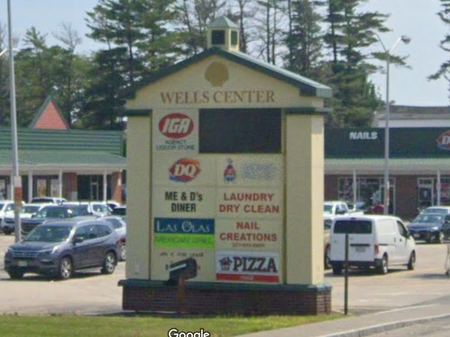
Unfortunately, Route 1 seems to travel through the part of town that is mile after mile of generic shopping plazas, antique stores, and auto repair shops. So consequently, there isn't much to see here, it seems that, although nice, it's a town you just drive through. Sad really, but that's the way the cookie crumbles.
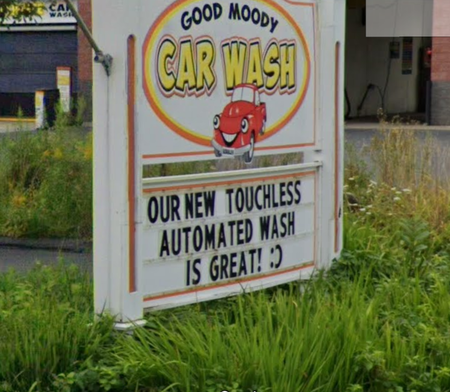
47. Ogunquit
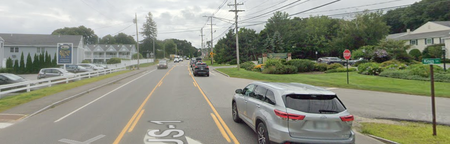
Ogunquit started as a village within the area of Wells. Fishing was a major industry, in fact the area was called Fish Cove for a while. However, until the breakwater was constructed fishermen had to haul their boats ashore for protection from storms and tides.
Eventually the harbour was built and started to attract artists as well as fishermen. This then brought in tourists and subsequently hotels and resorts were built to accommodate them.
In 2016, Ogunquit was named "America's Best Coastal Small Town" by USA Today. The town attracts LGBT tourists due to it's many LGBT-owned bars and hotels.
In 2023, tripadvisor ranked the beach in Ogunquit as in the Top Ten of the USA.
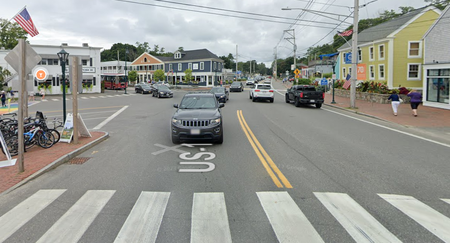
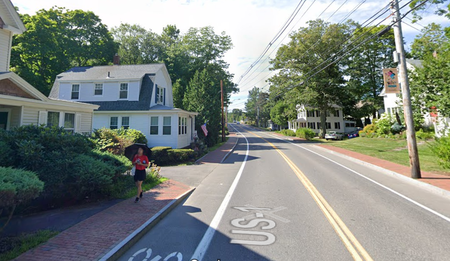
48. York
Named after York, England, this town has had other names in the past, firstly it was called Agamenticus by the indigenous people, then it became Bristol, followed by Gorgeana named after Sir Ferdinando Gorges who was the Lord Proprietor of Maine. Following Gorges death the name changed to York.
York prospered over the years, becoming a major export route for goods to the West Indies involving warehousing and shipping. However after the Revolutionary War, Thomas Jefferson's Embargo Act of 1807 crippled the trading post and the town declined, only to be resurrected by tourism after the American Civil war.
Unfortunately for us, Route 1 only just touches the corner of York, and as such we miss out on the many charms of this town.
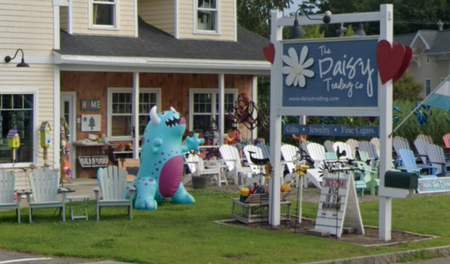
I don't feel like we've given York enough of a mention, but rules are rules, we stay on Route 1 regardless. Sorry, York.
49. Kittery
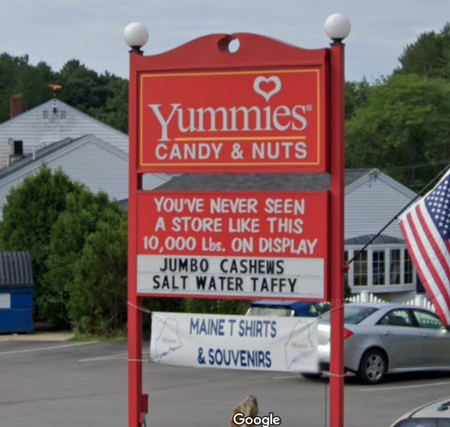
Kittery was incorporated in 1647, thus staking it's claim to the "Oldest incorporated town in Maine". It was named by one of it's founders, Alexander Shapleigh, who named it after his birthplace in Kingswear, Devon, England called Kittery Court.
Kittery grew as a trading post, making many of it's pioneering residents very rich. One named Francis Small became known as "The Great Landowner" due to him owning the most land in Maine.
The Portsmouth Naval Shipyard was established in Kittery in 1800, and also the Portsmouth Naval Prison.
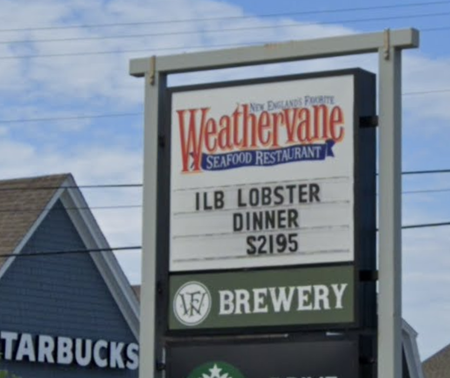
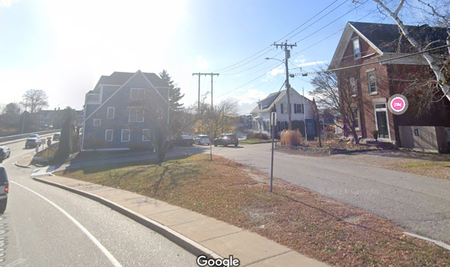
Kittery has many parks and walkable areas, boutiques, historic homes, arts and culture organisations, and the greatest concentration of vegan and vegetarian restaurants in the state.
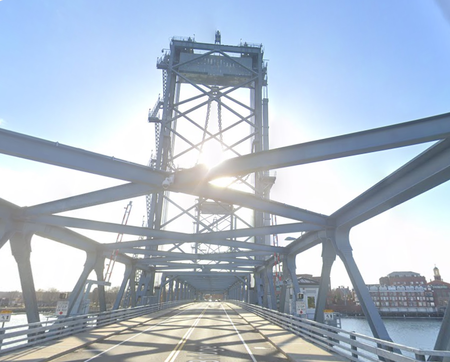
New Hampshire
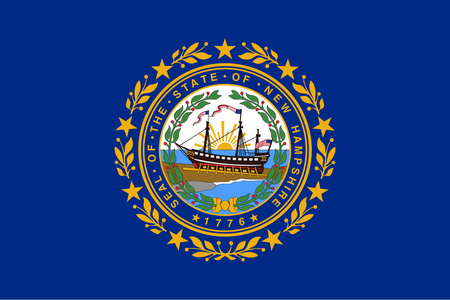
50. Portsmouth
Portsmouth is not only named after a city in England, Portsmouth obviously, it is in a state that is also named after a county of England, Hampshire obviously. The similarities continue, both cities are coastal and a major port. The town was named in honour of one of the colony's founders, John Mason, who had been the captain of the Naval Yard in Portsmouth in England.
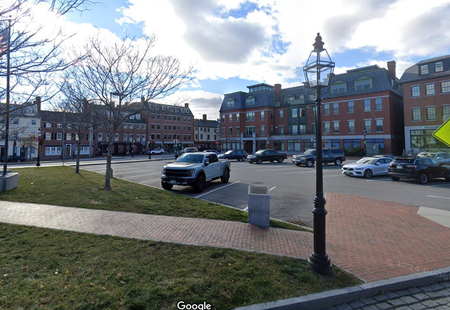
Portsmouth was the place that Paul Revere rode to in 1774 in the runup to the Revolutionary War. Portsmouth was once one of the busiest ports in the United States.
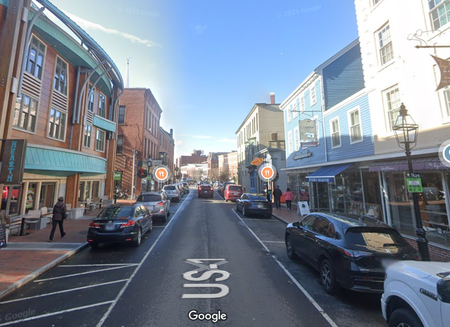
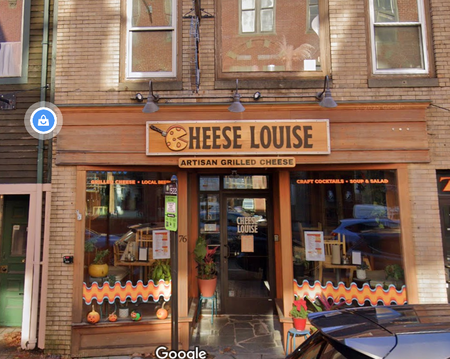
Nowadays, Portsmouth is a tourist destination with many museums and historic buildings, as well as a vibrant waterfront area.
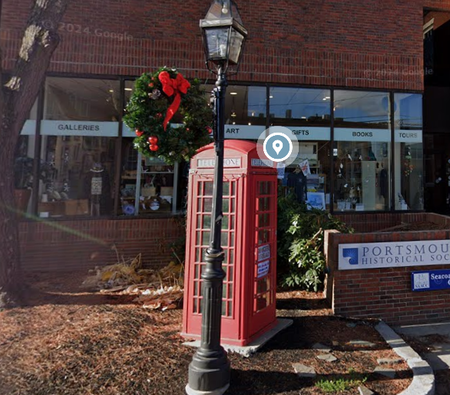
51. North Hampton
North Hampton was originally known as North Hill or North Parish, when it was part of the greater Hampton area. Residents petitioned to be separate as early as 1719, however they only gained township status in 1742 following the separation of New Hampshire from Massachusetts.
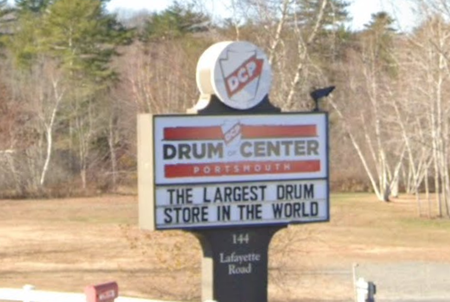
North Hampton is a small place that it is easy to pas by on your way to it's larger neighbour...
52. Hampton
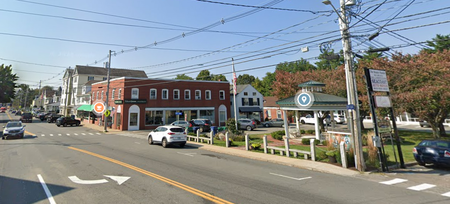
Hampton was originally called the "Plantation of Winnacunnet", Winnacunnet being an Abenaki word meaning "pleasant Pines". The local high school still bears the name of Winnacunnet. It became Hampton because obe of the first settlers, a reverend from Oxford, England, used to preach in Hampton, England, now a suburb of London.
Construction of the railroad in 1850 made the oceanfront part of Hampton a popular tourist destination, a tradition that continues to this day, albeit more by road than rail. Despite the many villages that contain the name Hampton, this area, although popular, should not be confused with "The Hamptons", a resort area on Long Island.
53. Hampton Falls
After crossing what appears to be a tidal landscape, we arrive in the small town of Hampton Falls, named after the small falls on the nearby river.
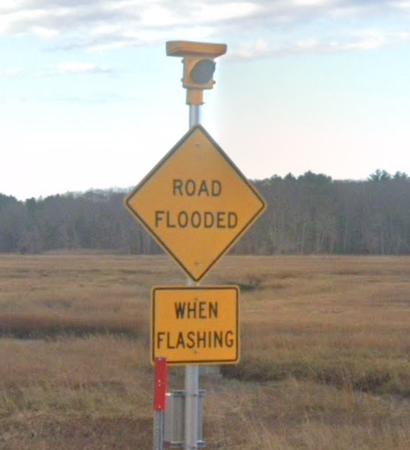
The town became independent from nearby Hampton in 1726. The town was once a centre for farming and lumber production, however, these days the area is mostly residential with the largest employer, Applecrest Farm Orchards employing only 18 people.
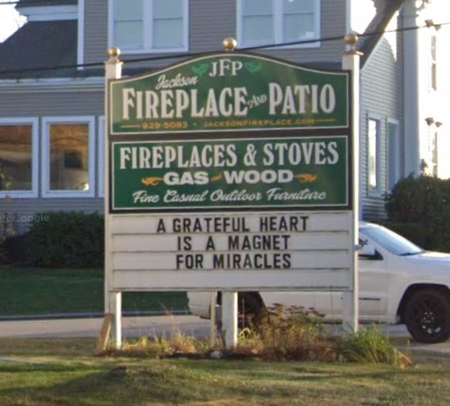
A inhabitant of Hampton Falls was the first person to be executed in New Hampshire. Eliphaz Dow was hanged for the crime of murder in 1755. He killed Peter Clough, also of Hampton Falls, with a hoe after an argument over a cow. It is thought that there was a long lasting feud between the two men prior to the incident.
54. Seabrook
Seabrook is a border town, (yes another one!) this time with Massachusetts. Seabrook has the third most recently built nuclear power plant in the US.
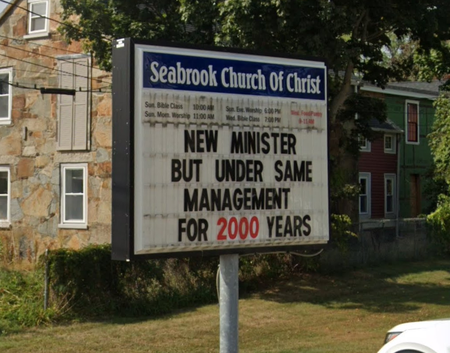
The town also has a "regional accent". Apparently it is akin to an English accent from Yorkshire and is thought to have originated in the fishing community, with it's connections to many Maine ports. Another theory is that it came across from England with the settlers and somehow managed to remain undiluted. It is sometimes likened to Shakespearean English.
Because of it's location, there are many firework shops in Seabrook, fireworks are legal in New Hampshire, but illegal in Massachusetts, so cross border trade has grown. So much so that Massachusetts Police conduct checks on vehicles entering the state.
Massachusetts
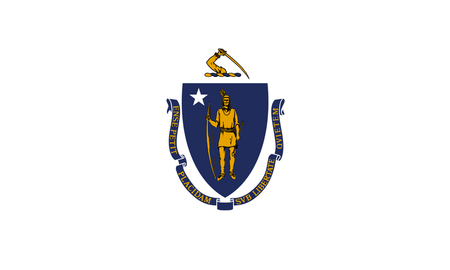
55. Salisbury
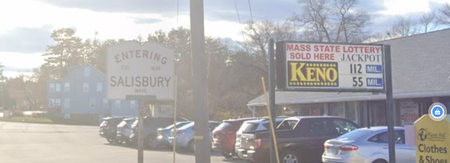
The area of Salisbury was first settled by Europeans in 1638, however indigenous peoples have been using the area for sea fishing for many thousands of years. The town was first called Colchester, however within a few years it changed to Salisbury. It was named after the city of the same name in Wiltshire, England, the birthplace of the person appointed to train the town's militia.
Around 1860 the town built a road out to the coast and beach, the area became popular with tourists as a result with arcades, amusement parks and hotels being built. The resort remained popular until the 1960s when interest began to fade with the last amusement centre closing in 2004. Because of climate change, much of Salisbury's coast has been eroded. Several residents of beachfront properties paid for sea defences to be built, only for them to be washed away in a storm just three days after completion.
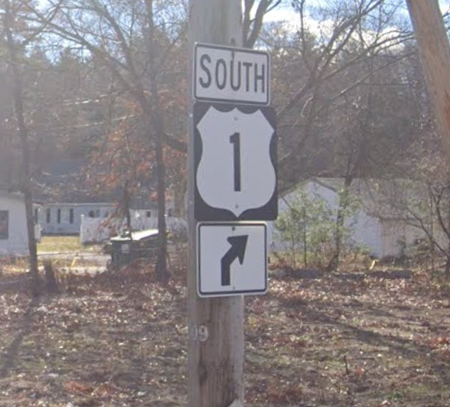
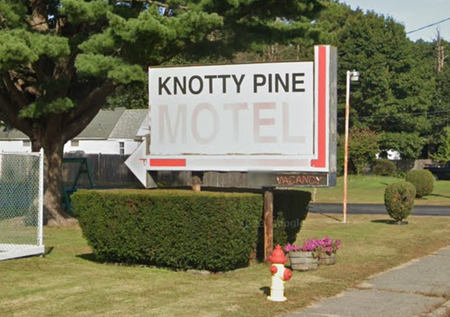
It feels like we're getting somewhere now, three states in one day! Although New Hampshire was only a few miles, we're now in Massachusetts, a place immortalised by the Bee Gees in their song of the same name.
So until next time, sleep well and see you soon.
Oh, almost forgot. Current mileage 466 + 86 = 552. Another short day it seems, but with fifteen entries, I don't really want to keep going, the blog would just be too long I feel. So there ya go. The end of Part 4. This quest may take me longer than I thought. Sorry about that.
Nice pics, and finally out of Maine! It really does feel like a family road trip, so thank you for doing this :)
The "sun in eyes" pic is a nice touch lol