

Second City Origins ~ Europe Part 1
First published: Tuesday August 13th, 2024
Report this blog
Introduction
Some of you may remember that back in 2021, I wrote a series of blogs called Capital City Origins. There was a total of fifteen individual blogs covering every capital city. If anyone is interested they can be found HERE.
I was recently reading through a few of my old ramblings and had a thought. My Five Islands series was coming to an end and I needed a new distraction. So I thought, how about revisiting each country and researching the origins of each nation's second city?
Now normally a second city would be the next largest, however, governments don't always work like that. In fact, many of the "second cities" are actually the largest, and the capital is considerably smaller. In this case, I have chosen the city, or community, with the largest population that isn't the capital. For example, Istanbul is much larger than Ankara, New York is much more populated than Washington, and Lagos is... well you get the idea.
I shall order the cities in the same country order as my capital city blogs, for no other reason than "why not?". My blog, my rules!
Birmingham ~ United Kingdom
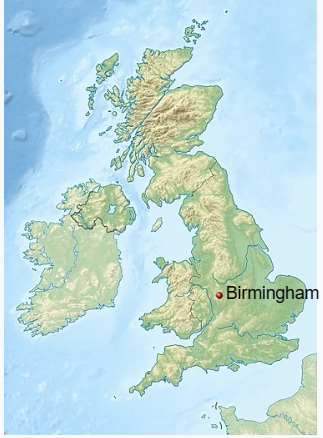
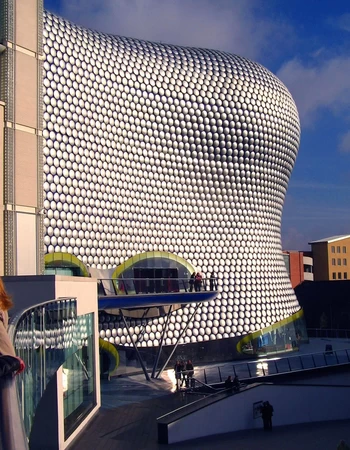
The United Kingdom's only other "millionaire city" after London. The name Birmingham comes from the Old English Beormingahām, meaning the home of the Beormingas, which in turn comes from Beorma's people. Boerma is thought to have been an Anglo-Saxon leader in a subdivision of West Mercia.
BIRMINGHAM = HOME OF BEORMA'S PEOPLE
Cork ~ Ireland
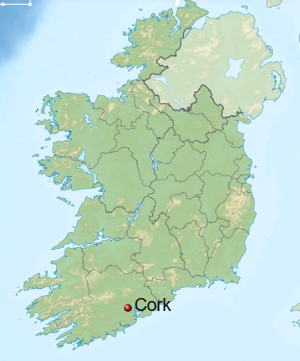
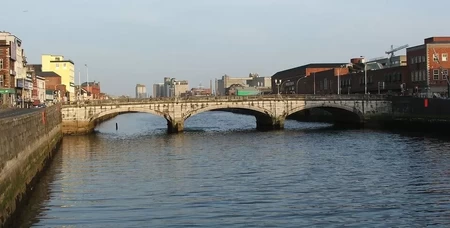
Cork was founded in the 6th century as a settlement for monks, but expanded by Viking invaders around 915. It became a city in 1185.
In Irish, the city's name is Corcaigh which comes from corcach meaning "marsh" or "marshland".
CORK = MARSH
Kópavogur ~ Iceland
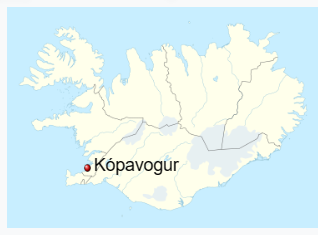
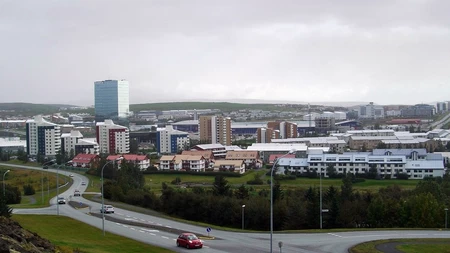
Kópavogur is immediately south of Iceland's capital, Reykjavik, and is part of the capital region.
The name is Icelandic and means "seal pup inlet". The town's coat of arms depicts the church and a seal pup.
KOPAVOGUR = SEAL PUP INLET
Bergen ~ Norway
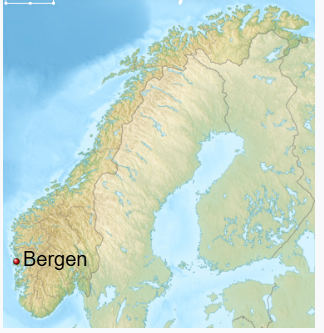
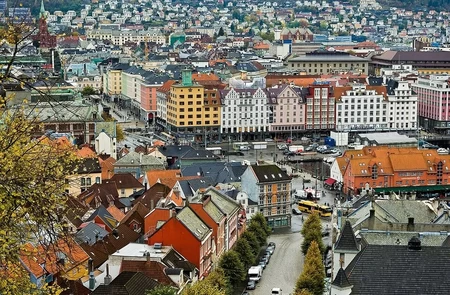
Bergen is located on the North Sea coast in Southwestern Norway.
Its name is derived from the Old Norse, Bergvin, which can be split into two elements, berg and vin. Berg translates to "mountain", while vin translates to "settlement where there used to be a pasture or meadow". So Bergen means...
BERGEN = SETTLEMENT ON THE MEADOW NEAR THE MOUNTAINS
Gothenburg ~ Sweden
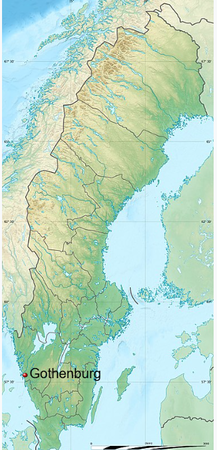
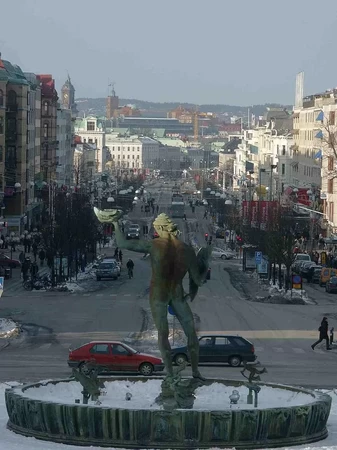
Gothenburg is located on the Kattegat, an area of sea between Sweden and Denmark, in the southwest of Sweden.
The burg part of the name is well known to translate to settlement, similar to Edinburgh, Hamburg, and even Pittsburgh. In Swedish the city is known as Göteborg.
The Gothen part of the name derives from the river that flows through it, the Gota River. However this name comes from the area around called Gotaland. All three names reference the Germanic tribes known as the Goths or Geats.
GOTHENBURG = PLACE OF THE GOTHS
Espoo ~ Finland
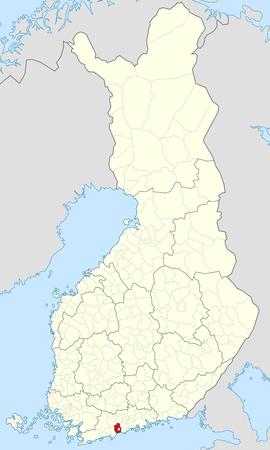
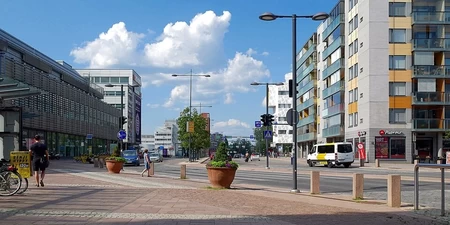
The name Espoo is thought to have originated from a Swedish medieval village called Espoby, which was itself derived from the type of trees that grew on the nearby river, aspens. The archaic Swedish name for the tree is "äspe", and the word for a river is "å", with the suffix "-by" meaning village.
ESPOO = VILLAGE OF ASPEN TREES
Saint Petersburg ~ Russia
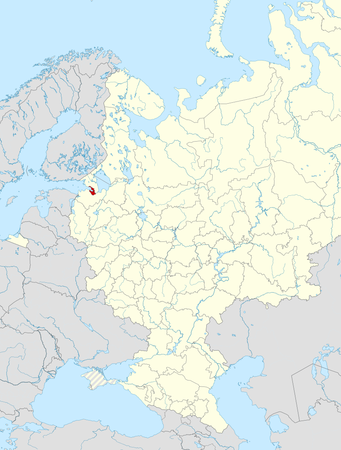
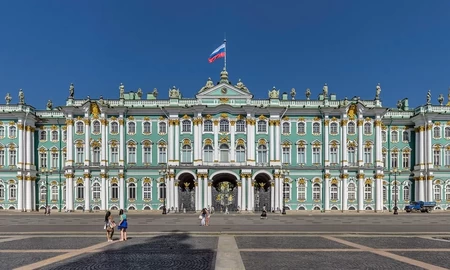
Saint Petersburg is quite simply named after St Peter. It was named by Peter The Great on St.Peters Day in 1703. Between 1924 and 1991 it was renamed Leningrad.
SAINT PETERSBURG = THE TOWN OF SAINT PETER
Tartu ~ Estonia
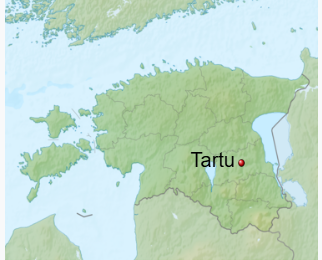
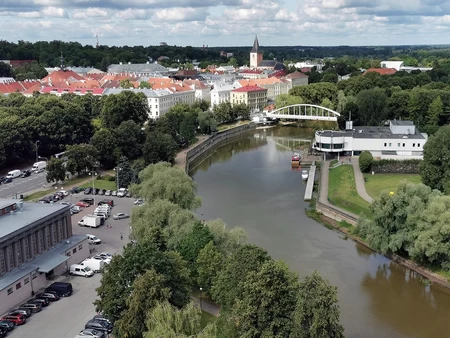
Tartu is the oldest city in the Baltic States, with records dating back to 1030.
Its name has changed over the years, but essentially comes from the Estonian Tarbatu which comes from tarvas meaning "Auroch". An auroch is a breed of cattle that became extinct in the 17th century.
TARTU = AUROCHS or CATTLE
Daugavpils ~ Latvia
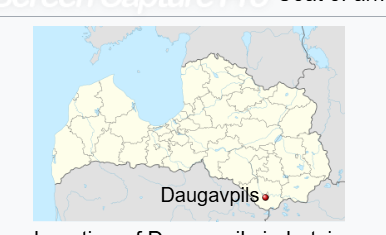
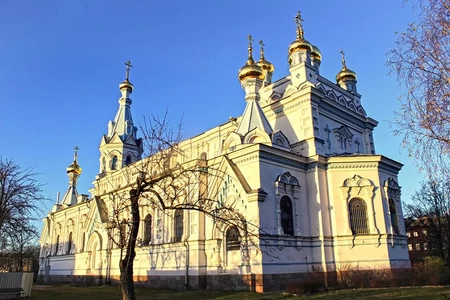
Daugavpils has had several names over the years, Dünaburg, Borisoglebov, and Dvinsk before it's current name was changed in 1920.
The name references the River running through the city, the Daugava River, the pils part of the name comes from the Latvian word for "castle".
DAUGAVPILS = CASTLE ON THE DAUGAVA RIVER
Kaunas ~ Lithuania
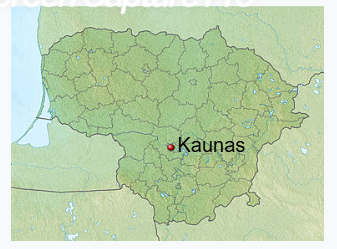
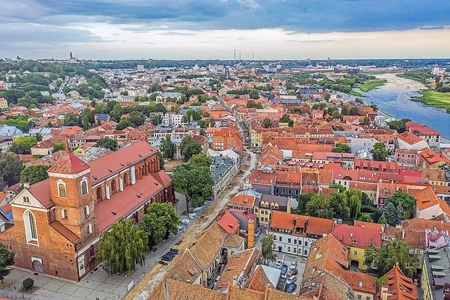
Kaunas served as Lithuania's capital during the years between the two World Wars when Poland seized Vilnius.
The name is thought to have evolved from a personal name. A 16th century legend states that the area was settled by Roman migrants fleeing the mad Emperor Nero. One called Kunas established a homestead roughly where Kaunas stands today.
KAUNAS = HOME OF KUNAS (Possibly)
Homyel ~ Belarus
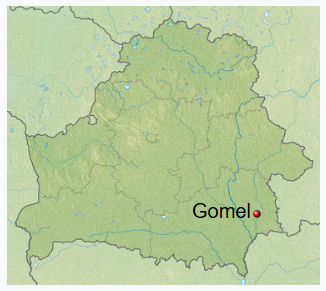
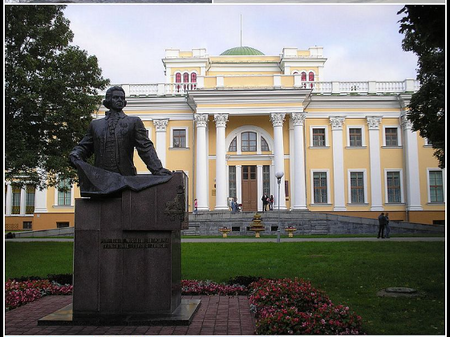
This city has two names, Gomel in Russian, and Homyel in Belarussian. Both names are in use, however the origin comes from the Homyel name.
Like many other Belarussian cities, Homyel takes its name from a river. Although in this case a stream that flows into the River Sozh. The streams name is Homeyuk and the first settlement was next to it.
HOMYEL ~ PLACE NEAR THE HOMEYUK STREAM.
Kraków ~ Poland
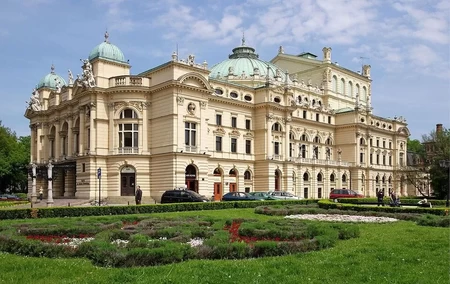
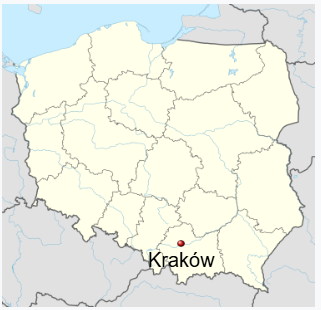
Krakow is one of the oldest cities in Poland and was the country's capital until 1596.
Its name is derived from Krakus, the city's founder and legendary leader of the Vistulans tribe. In Polish Krakow is the possessive form of Krak so the name is Krak's Town. Historians dispute the origin of the name, however there are several theories and no agreement. The name could be derived from the word kruk meaning "Crow" or "Raven". I prefer the former explanation.
KRAKOW = KRAK'S TOWN
Aarhus ~ Denmark
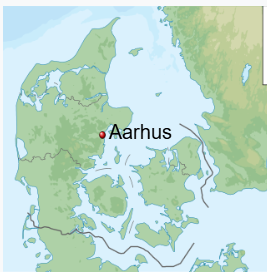
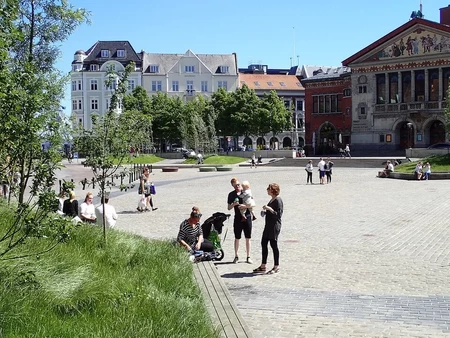
Aarhus has been a trading town since the 8th century and is today the largest trading centre in Jutland.
The name comes from a joining of two words, ár meaning "river" and oss meaning "mouth", so put simply the name means river mouth.
AARHUS = RIVER MOUTH
Hamburg ~ Germany
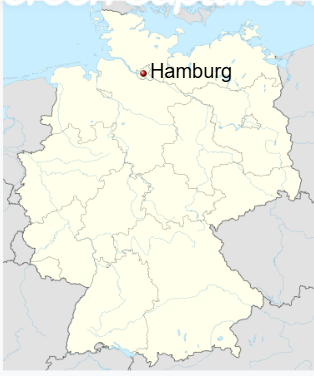
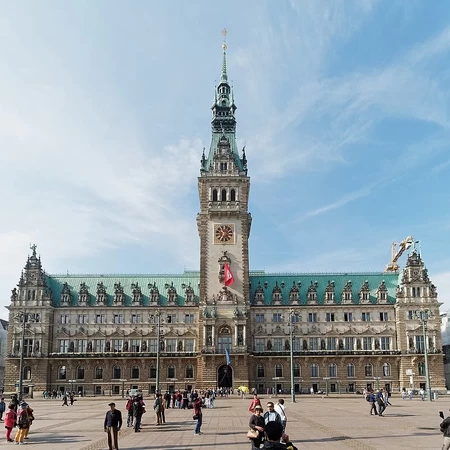
Hamburg, or to use its official title, Free and Hanseatic City of Hamburg, was established after Charlemagne ordered a castle built in 808 to protect lands from Slavic incursion.
The burg part of the name means "castle" or "fort", however, the Ham part of the name is unknown, but is thought to derive from a person known as Hamma. For want of a better explanation, Hamma's Castle
HAMBURG = HAMMA'S CASTLE
Rotterdam ~ Netherlands
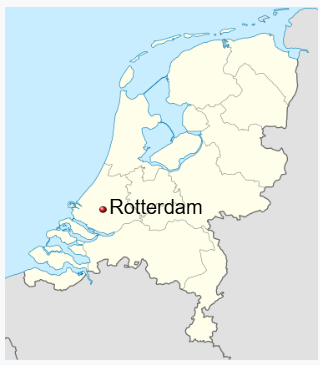
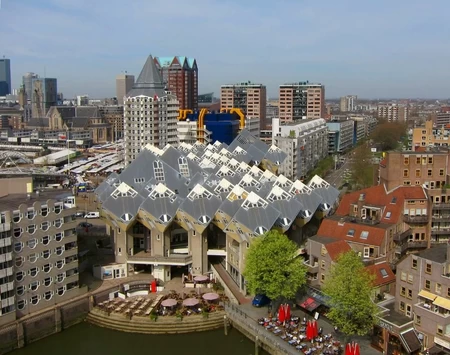
Rotterdam's history began in 1270 with the building of a dam. It is today Europe's largest seaport and container terminal.
Like the country's capital Amsterdam, this city has a simple derivation. Back in 1270 a dam was built on the River Rotte. Giving the name Rotterdam!
ROTTERDAM = DAM ON THE RIVER ROTTE
Summary
My first "spin-off" blog, hopefully, it won't flop like so many spin-off TV series. (I'm thinking here of "Joey" the awful spin-off of Friends, or am I the only one that remembers that?, but I digress...).
I have just realised the challenge I have in the next episode, Monaco and Vatican City, have they got second cities? Monaco, I think I could manage, but Vatican City? We'll see, I may have to miss that one out, but I will try to find something.
We continue our journey in the next edition in Belgium, before heading down to Iberia, back over the Alps, and finishing in Eastern Europe.
Anyway, until the next one, Afscheid en tot ziens as they say in Rotterdam!
Congratulations on completing your long series about the islands, I am very ashamed that I forgot to do it when I read it!
I didn't know many myself, it seems second cities are forgotten!
Don't bother watching past episode one of Joey, it gets painful. Trust me, I know !